 By admin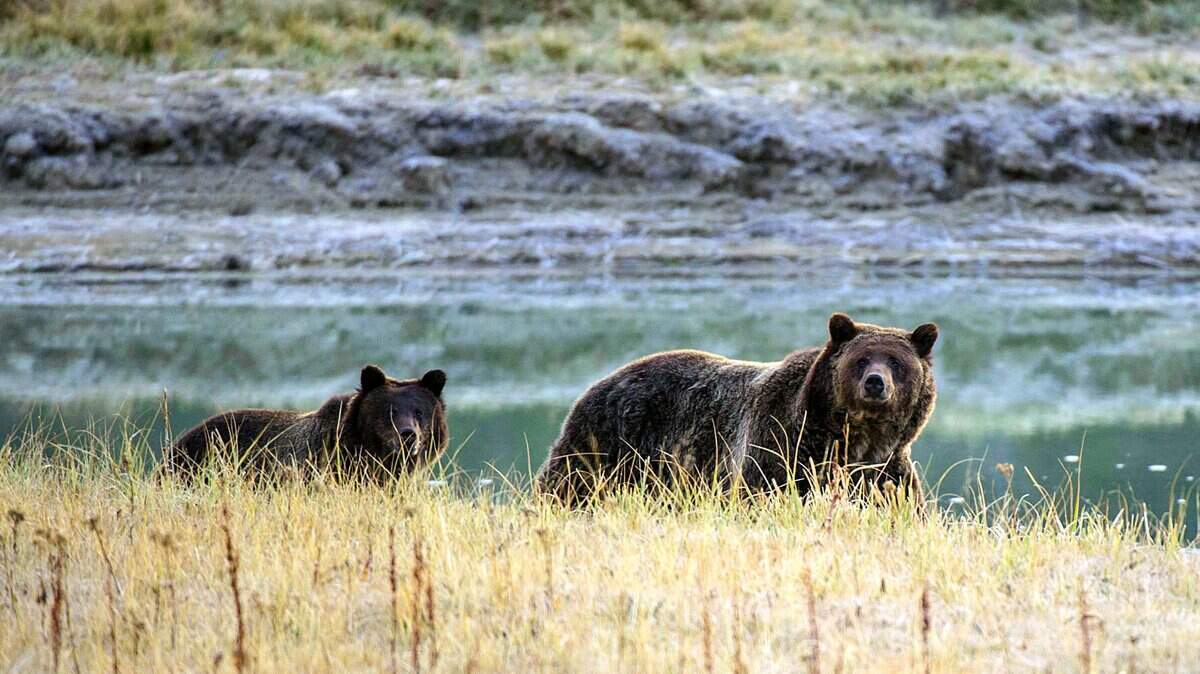
California put on hold a proposal to study reintroducing grizzly bears on Thursday, amid growing public concern over the state’s ability to manage wildlife predators including wolves, mountain lions, coyotes and other species of bear.
Read more 20 returning Sacramento-area high school quarterbacks to watch in 2026
A bill to study the feasibility of bringing back grizzlies, a threatened species that has been locally extinct in California for a century, died for the year in the Assembly, where it was held on the suspense file in the Appropriations Committee, effectively killing its chances of being heard before the end of the legislative session.
The quarter-ton golden bears are federally protected animals that live in parts of the Mountain West, including the area around Yellowstone National Park. They once were abundant in California and are enshrined on the state’s flag and in the names of its college teams as the state animal. But the last known grizzly in California was killed in the early 1920s.
The measure by state Sen. Laura Richardson, D-San Pedro, would have required the California Department of Fish and Wildlife to determine whether it is “feasible and advisable” to bring back the apex predators and to develop a roadmap for doing so by 2030. The animals would not have been reintroduced until it was determined that they could be biologically viable and self-sustaining and a roadmap was developed.
The bill was backed by the Yurok and Tejon tribes. For the Yurok, the animals are viewed as relatives who can impart wisdom to humans, said Tiana Williamson-Claussen, a biologist who directs the tribe’s wildlife department.
But many ranchers and residents of rural areas in the North State where grizzlies were most likely to be released say they are already overwhelmed by safety issues posed by other predators. California has not fully funded its programs for mitigating what is known as human-wildlife conflict for years, leading to frustration among public safety officials and others in rural areas who worry about threats to humans, livestock and pets.
California’s wolf population, which also had been locally extinct for nearly 100 years, is undergoing a resurgence under federal and state endangered species protections. Last year, a single pack was responsible for killing 92 calves in under seven months in Sierra County, prompting a failed multimillion-dollar state operation to drive them away from homes and ranches using drones and other techniques allowed only by trained wildlife officers. Four of the wolves were ultimately by state law enforcement officials.
Read more Sacramento police union makes ‘last, best and final offer’ in contract talks
A recent UC Davis study showed that cattle made up the majority of food eaten by wolves in Lassen and Plumas counties during the summers of 2022 and 2023.
Anxiety over the proximity of wolves is highlighted in social media feeds in some North State communities and has added to concerns about mountain lions and bears.
In El Dorado County in 2024, a mountain lion attacked and killed Taylen Brooks, 21, and severely wounded his brother, Wyatt, 18. Patrice Miller, 71, was attacked and killed by a black bear in her own home in Sierra County in 2023.
At a hearing in January, the state’s top environmental official, Natural Resources Agency Secretary Wade Crowfoot, called the state’s problems with predator management, particularly wolves, a “full-blown crisis.”
In that context, the idea of reintroducing grizzlies became particularly fraught, drawing opposition from local law enforcement and state representatives.
The grizzly bill was opposed by Assemblymember Heather Hadwick, R-Alturas, who represents much of the area affected by wolf attacks on cattle. In addition to local residents, ranchers and law enforcement, several tribes in her district also opposed the measure, Hadwick said, despite support from the Yurok and Tejon tribes.
Read more USDA denies $32M request for California glassy-winged sharpshooter battle
The bill, SB 1305, passed the state Senate in May.