 By admin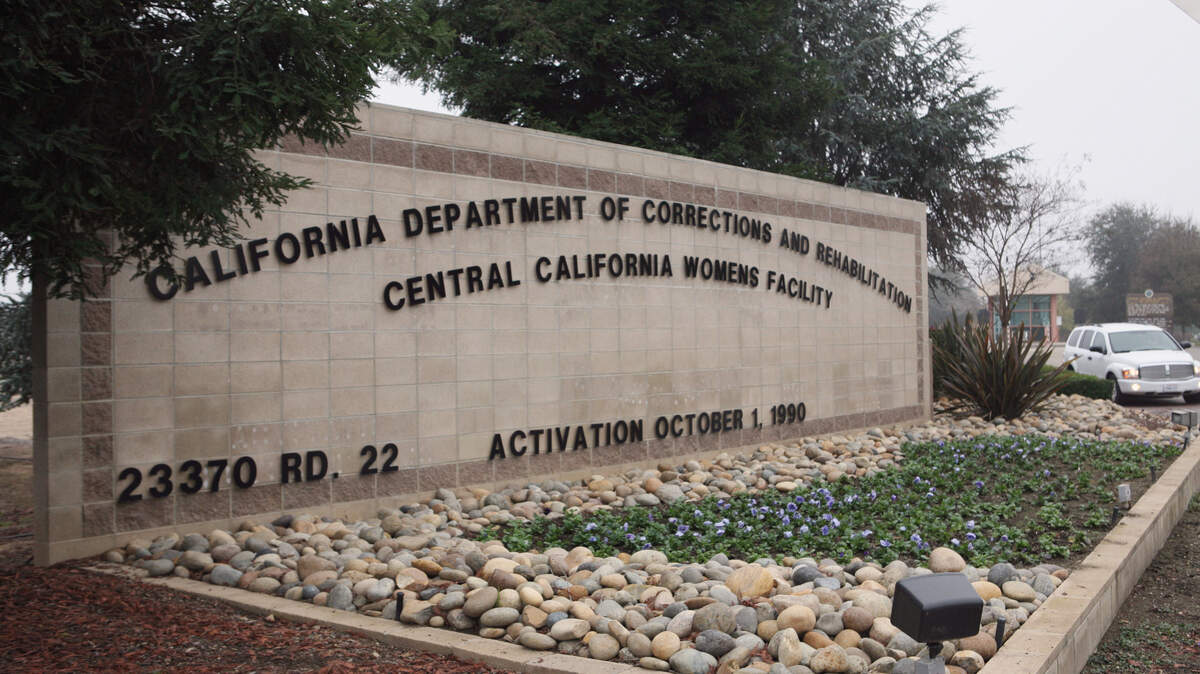
The clock is ticking for California to implement changes at two of its women prisons after the U.S. Department of Justice investigated a pattern of alleged sexual assault.
Read more Sacramento’s top stories: Police contract, garbage rates and best CA schools
In a letter sent Thursday to Gov. Gavin Newsom, Assistant Attorney General Harmeet Dhillon said the state has 49 days to address conditions that could make inmates vulnerable to sexual abuse and harassment by prison staff. If these items aren’t addressed by then, Dhillon wrote, the federal government may file a lawsuit.
“California’s Department of Corrections and Rehabilitation knew of repeated incidents of sexual assault and harassment against female prisoners, and failed to protect them,” Dhillon said in a statement. “This deliberate indifference to the suffering of female prisoners at the hands of prison staff is illegal.”
Thursday’s letter comes after federal officials launched an investigation in December 2024 into two CDCR-operated prisons — the Central California Women’s Facility in Chowchilla and the California Institution for Women in Corona.
This isn’t the first time these facilities have made headlines related to alleged sexual assault. Since 2022, there have been roughly 1,800 lawsuits filed against CDCR by inmates who allege sexual assault by prison staff, according to Debra Postil. Postil is a lawyer at the law firm Slater Slater Schulman which handles about 700 of these cases, many involving these two facilities.
Both facilities are in compliance with the Prison Rape Elimination Act, according to the facilities’ respective reports provided by CDCR, which outlines that within a year there were at the Central California Women’s Facility and .
The DOJ’s findings gives a glimpse into these facilities, as the report outlines inadequate use of cameras and inmates’ fear of retaliations.
There are several blind spots at these facilities, according to the DOJ report, even though California installed additional cameras. Both prisons don’t have cameras in kitchen storage rooms and frequently-moved food carts can block the view of new cameras.
Read more Sacramento-born Jack’s Urban Eats to open 14th location — and in a ‘power center’
“The prisoners call these areas ‘sugar rooms,’ both because sugar is stored there and, more importantly, because sexual activity occurs in these spaces without detection,” the DOJ report said.
If an inmate made allegations of sexual assault, according to federal findings, prison staff had access to written grievance forms. Federal officials say these forms are scanned into an online system and is accessible to all staff based at the facility, even those accused of misconduct.
Many inmates are afraid of retaliation, Postil said, because the prison staff can affect their quality of life and inmates can’t just walk out the door.
“On top of that, (there’s) the feeling like they’re not being believed because of their (incarceration) status,” Postil said.
When asked about the DOJ findings, Newsom’s office didn’t comment and deferred questions to CDCR.
“CDCR is fully committed to supporting victims of sexual assault and ensuring safe avenues exist for both incarcerated persons and staff to confidentially report misconduct,” said CDCR spokesperson Will Matthews in a statement. “Sexual abuse, sexual harassment, and retaliation against individuals in our care are unacceptable.”
Matthews also said CDCR’s internal actions led to criminal prosecutions of both employees and incarcerated people for actions related to sexual assault.
Read more Did California’s state worker telework bill survive a key legislative hurdle?