 By admin
The kitchen is often the last room homeowners want to tackle before moving. It contains fragile dishes, awkwardly shaped appliances, half-used food, sharp utensils, glassware, and countless small items that somehow fill every drawer. Leaving it until moving day, however, can create a stressful rush.
A better approach is to treat the kitchen as a project of its own. A little sorting, careful packing, and advance preparation can make this part of a residential move considerably more manageable.
Start by Clearing Out What You Won’t Take
Before buying boxes, open the pantry, refrigerator, freezer, and cabinets. Moving is a convenient opportunity to get rid of items you no longer use.
Expired food should be discarded, while unopened products that are unlikely to be transported can be donated when appropriate. Check kitchen drawers for duplicate utensils, old containers, and appliances that have not been used in years.
Nevada Movers can handle the physical side of relocating your household, but deciding what deserves space in the moving truck starts with you.
Create a “Use First” Section
Do not pack every kitchen item immediately. Keep a small collection of essentials available for the final days at the old home.
A few plates, glasses, utensils, pans, coffee supplies, and basic cooking ingredients may be enough. Everything else can gradually disappear into labeled boxes.
Pack Fragile Kitchenware With a Plan
Kitchenware is particularly vulnerable because many pieces are made from glass, ceramic, or porcelain and often have unusual shapes.
Wrap plates individually and place them securely in boxes rather than leaving empty spaces between pieces. Glasses should receive individual protection as well. Heavier objects belong toward the bottom of a box, with lighter and more delicate items positioned above them.
Avoid making fragile boxes excessively heavy. A box that is difficult to lift safely can become a problem before it even reaches the truck.
Give Special Attention to Knives
Kitchen knives should never be tossed loosely into a box. Wrap individual blades securely and position them so they cannot shift during transportation. Clearly identify the container so it can be handled appropriately during unloading.
Deal With Appliances Before Moving Day
Large kitchen appliances require more preparation than ordinary household belongings. Clean refrigerators, freezers, ovens, microwaves, and other appliances before they are transported.
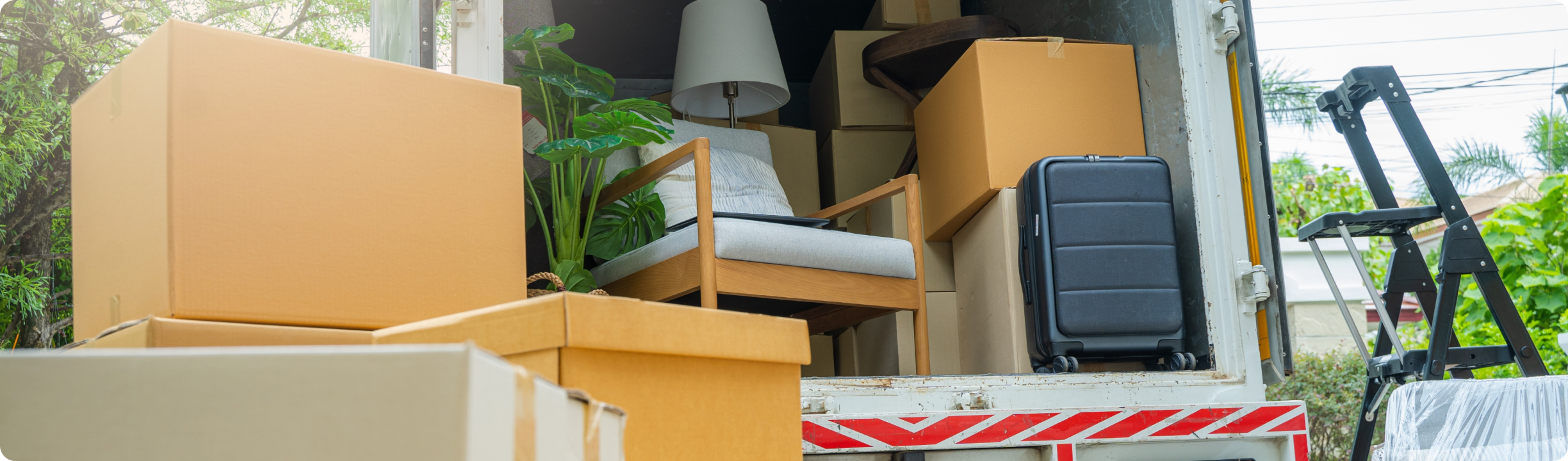
If an appliance has detachable shelves, trays, or other removable components, consider securing them separately. Cords should be organized so they do not become tangled or damaged.
Allow refrigerators and freezers enough time to defrost when necessary. Water left inside can create a mess during transportation.
For homeowners arranging professional residential moving in the Las Vegas area, service information and relocation options are available through https://nevadamoverslv.com/services/residential-moving/.
Be Selective With Food
Food can quickly become one of the most inconvenient categories to move. Canned goods are heavy, glass jars can break, and perishable products may not be suitable for transportation over an extended period.
Try to use up refrigerated and frozen foods before moving day. For unopened pantry goods that are worth taking, group them into smaller boxes rather than creating one extremely heavy container.
Las Vegas temperatures are another reason to think carefully about perishables. Food should not be left sitting in a hot vehicle while other moving tasks are taking place.
Label Boxes for the New Kitchen
A good label should tell you more than simply “Kitchen.”
Consider identifying the contents and their intended location, such as “Everyday Plates — Upper Cabinets” or “Pots — Lower Cabinets.” This can make unloading much faster because boxes can be placed close to their eventual destination.
Keep one clearly marked box for the first evening. Include paper towels, basic utensils, a mug, a few plates, snacks, coffee or tea, and simple cleaning supplies.
Protect the Counters and Cabinets
Before moving day, make sure countertops and pathways are free from unnecessary items. Remove loose objects from cabinet tops and secure anything that could fall during furniture or appliance movement.
If you have recently renovated the kitchen in your new home, consider protecting vulnerable surfaces before large belongings arrive.
Make Unpacking Easier Than Packing
The best kitchen packing system is one that saves time on the other side. Keep similar items together, avoid mixing unrelated rooms into kitchen boxes, and maintain a basic inventory of particularly valuable or delicate pieces.
Once the moving truck reaches your new Las Vegas home, unpack essentials first. Set up the coffee area, basic dishes, and the items needed for simple meals before tackling decorative pieces and rarely used equipment.
A prepared kitchen gives the entire household an immediate sense of normality. Instead of searching through dozens of boxes for a saucepan or coffee mug, you can establish a functional space quickly and gradually turn the rest of the room into the kitchen you envisioned for your new home.