 By admin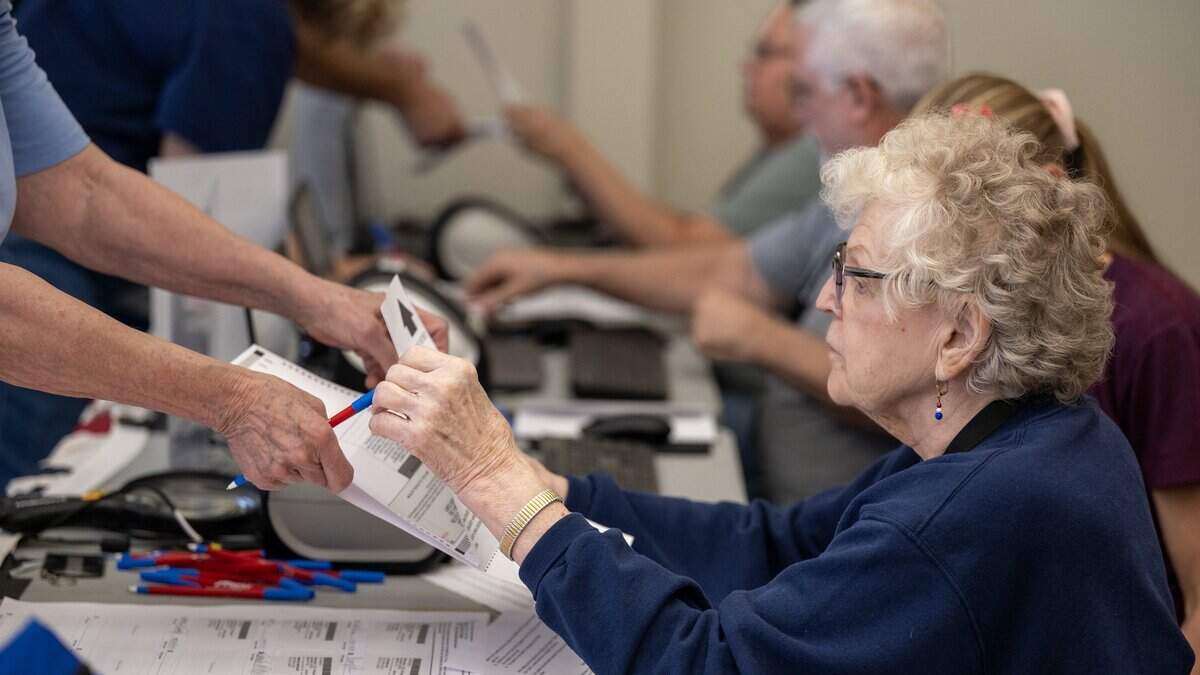
California Democrats authored several election-related bills in response to President Donald Trump, Riverside County Sheriff Chad Bianco and actions taken by the U.S. Supreme Court that passed before the end of the legislative session. They would affect voting rights rules, signature verification, the fate of election materials and more.
Read more A reported violent attack brings new urgency to LGBTQ safety in Sacramento neighborhood
Some of those changes could occur as soon as November if they are signed by Gov. Gavin Newsom. He has until the end of September to act on them. Here are measures to watch:
Vote-by-mail
Election officials could face felony charges if they interfere with the delivery or return of vote-by-mail ballots under Senate Bill 259, authored by former state senator and current U.S. Rep. Aisha Wahab, D-Hayward. Wahab said the bill was in response to the Trump administration’s efforts to cast doubt on the integrity of elections. It would go into effect immediately if Newsom signs it.
Election materials
Senate Bill 1418 would prohibit the destruction of any documents, voting machines or electronic data following an election until after the results of that contest have been decided or the end of any potential criminal case. It is an expansion of current state law that already protects ballots and voter rolls. State Sen. Sabrina Cervantes, D-Riverside, who authored the bill, said it was in response to Bianco’s seizing hundreds of thousands of ballots from county election officials earlier this year. The measure would go into effect immediately if signed by Newsom.
Read more UC Davis professor, former dean among thousands missing in Nepal floods
Updated voting rights rules
Cervantes also authored Senate Bill 1164, which would modify and expand the California Voting Rights Act in response to the U.S. Supreme Court’s weakening federal voting rights law. The measure would prohibit local governments from changing their election policies in a way that suppresses or dilutes votes and requires those that have been found liable in the previous 10 years for violating the right of people to vote must obtain attorney general approval to change a method of election. That could be going from an at-large election to one based on districts. The attorney general, or individual voters, could sue the government for alleged violations.
Signature check
Assembly Bill 2604 by Assemblymember Marc Berman, D-Menlo Park would allow Californians to access an online system to correct an unsigned vote-by-mail ballot by requiring the Secretary of State to make the technology available to counties. Berman said it is in response to tens of thousands of mail voting ballots that were rejected following the 2024 election because of missing signatures or ones that didn’t match a person’s previous signatures on other official records.
Presidential candidates
Party representatives would need to certify that their candidates for president are eligible, under the 22nd Amendment, to run for the role. That amendment says: “No person shall be elected to the office of the President more than twice.” Assembly Bill 1539, by Assemblymember Dawn Addis, D-Morro Bay, is in response to Trump, who has floated the idea of seeking a third term. The certification would occur under the penalty of perjury, meaning a person could be prosecuted criminally for saying someone is eligible when they aren’t.
Read more Rain exiting Sacramento Valley with a cool Labor Day weekend in store