 By admin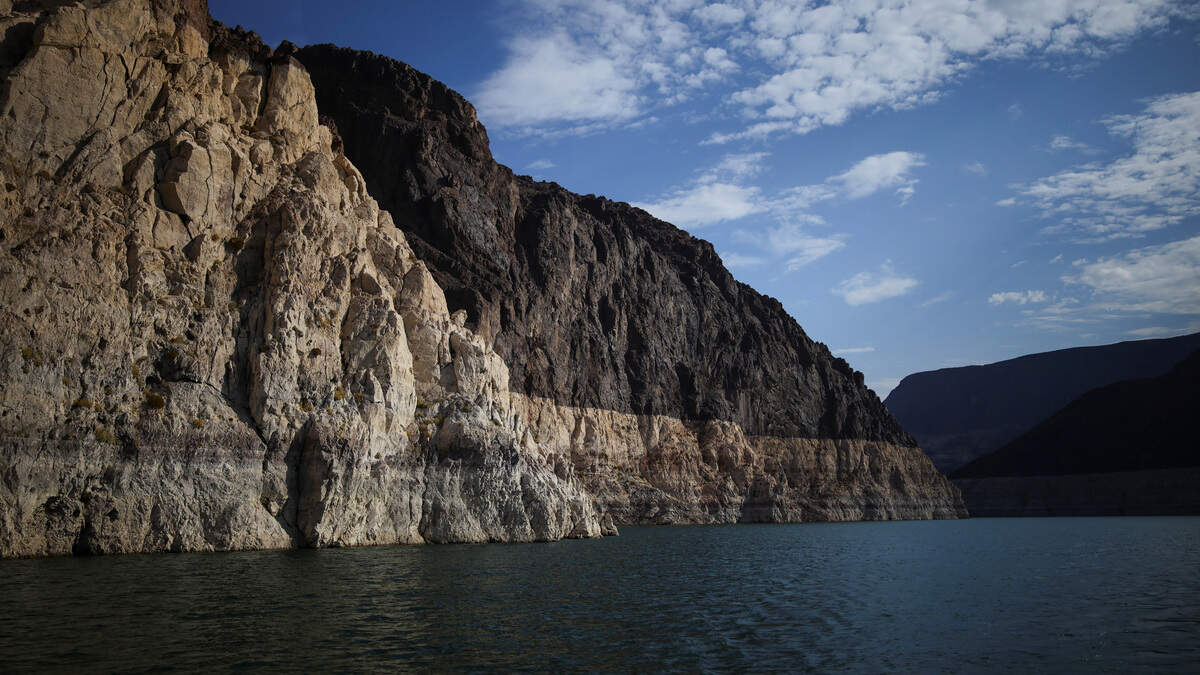
The Colorado River is in trouble and the San Joaquin Valley should be concerned.
On Aug. 21, the U.S. Department of the Interior, which manages the river, announced that California, Arizona and Nevada had to cut their take from the river. Even though folks in the Valley don’t receive any of the river’s water, they ought to care.
Read more Aljamain Sterling calls out Jean Silva for a number-one contender fight
Why? All things in Western water tend to be interconnected in one way or another. And this is no exception.
The Imperial Valley by the U.S.-Mexican border gets the largest cut of the Colorado River for irrigated agriculture, and Los Angeles and other southern cities get some via the Metropolitan Water Agency. The San Joaquin Valley? Not a drop. But what happens in Southern California rarely stays in Southern California.
In 1922, the seven states along the Colorado agreed to divide its waters (though Arizona didn’t agree until 1944). The basic part of this division was that Wyoming, Colorado, New Mexico and Utah — the so-called “Upper Basin states” — would get half the river, while the other three, the “Lower Basin states,” got the rest (and then Mexico got a share in 1944). This protected upper-basin states from California’s efforts to grab all the river, and only Nevada and Arizona had to worry about California.
Now, after years of poor Rocky Mountain snowpack, the Colorado is running dry. Lake Powell, the river’s second-largest reservoir, barely has enough water to spin the power-generating turbines in Glen Canyon Dam. Lake Mead, the largest reservoir behind Hoover Dam, is lower than it has ever been.
After nearly 20 years of negotiations, California, Nevada and Arizona agreed to a short-term series of cuts (depending on how much water is in the river), and these are now being mandated by the Interior Department. No cuts are required from the upper basin, where the states use far less water than the lower basin and where most of the water use takes place above the reservoirs that the federal government controls.
Imperial Valley’s rights to the Colorado are senior to those of the Metropolitan Water Agency, and in the American West, senior water rights mean everything. First-in-time, first-in-right is the old saying, but it carries a harsh reality. If California must cut its take from the river, it’s the Metropolitan and the cities it serves that are going to shoulder them.
Southern California, though, is hydrologically connected to the rest of the state through the State Water Project, which pumps northern California water out of the Sacramento-San Joaquin Delta and brings it south through the California Aqueduct. If southern cities must accept less Colorado River water, they may seek to replace it with Delta water.
Read more Taylor Swift Fans ‘Not Happy’ With NFL’s Treatment Of Madison Beer
Valley farmers are serviced by the federal government’s Central Valley Project, and that water also comes through the Delta. If Southern California exercises its political might in the legislature and give its cities a preference over agriculture (something they actually had before the 1990s), then the Valley is in real trouble, for even farmers with senior water rights may find little protection from a Southern California water grab.
The potential threat has already been raised, though. Oddly enough, the warning came from Wyoming, an upper-basin state not required to make any Colorado River cuts. Right after reductions were announced, Wyoming Rep. Harriet Hageman took the opportunity to argue that because of Gov. Gavin Newsom’s lack of success in developing new water storage infrastructure, cuts on the Colorado are going to imperil California agriculture and thus the nation’s food supply.
Hageman, a Republican, may simply be bashing Newsom, a likely Democratic presidential candidate. Yet she is not entirely wrong.
While the threat to the Valley from cuts on the Colorado may not materialize any time soon, the inter-connectedness of western water means it always could. What happens in Wyoming can affect Valley food production, and certainly what happens in Southern California can.
Remember: What happens in Southern California rarely stays in Southern California.
Thomas Holyoke is a professor at California State University, Fresno’s Department of Political Science and an assistant director for education and research at the California Water Institute. Laura Ramos is director of the California Water Institute at Fresno State, where she works to connect research, water management and community needs in support of California water solutions.
Read more Fantasy Football Week 2 Droppable Players: De’Zhaun Stribling Worth Dropping Amid Injury Absence