 By admin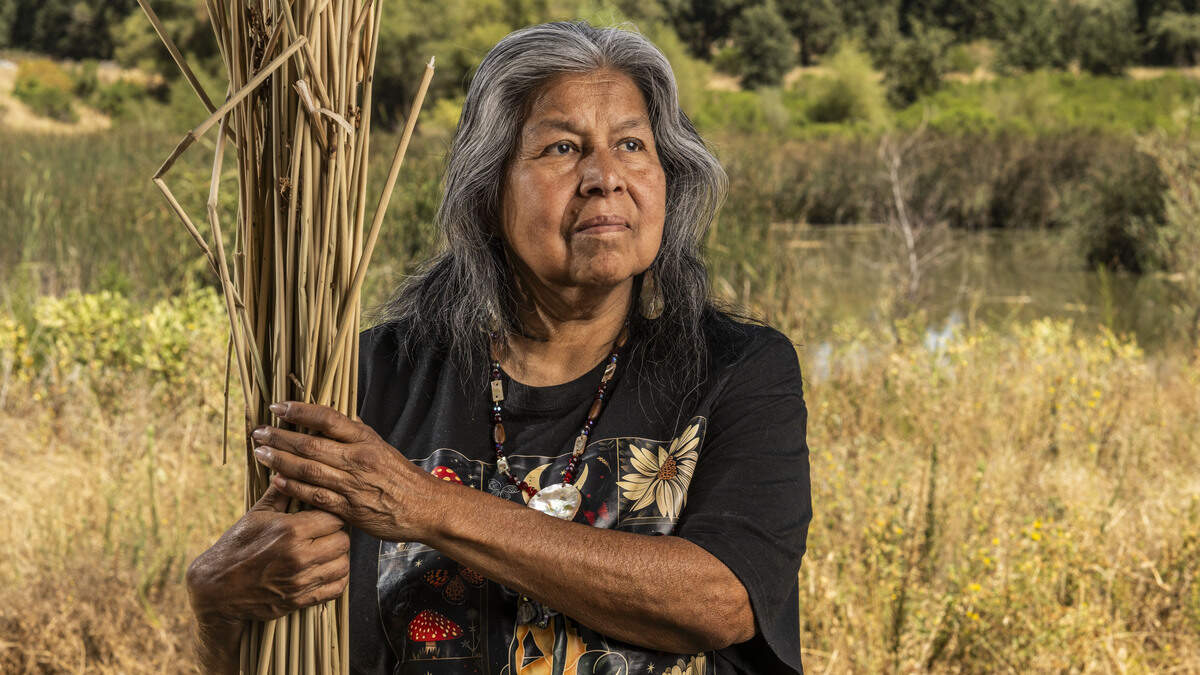
The Sacramento Bee and Nehemiah Leaders Programs are celebrating this year’s 60 Change Makers. Join them at our gala at 5:30 p.m. on Tuesday, Oct. 13 at the Grand Sheraton in downtown Sacramento. Buy tickets at sacramentochangemakers.com.
Read more Sacramento news: Rabies alert, cheese recall and Rancho Cordova traffic changes
Cultural practice is in Diana Almendariz’s lineage.
She was born and raised in Sacramento. For generations, Almendariz’s family has been tending to the land and their community. Her childhood was filled with her family bringing home live salmon caught in Sacramento and her grandfather working on a ranch.
When she got older, Almendariz’s grandmother, a long-time cultural practitioner, told her: “It’s time for you to do the real work.”
That work would be taking care of her ancestral lands.
Almendariz is Maidu, Nisenan and Wintun, tribes which are all Indigenous to the Sacramento region. She is also Hupa, Yurok, Cherokee and Apache, she said.
Today, Almendariz serves as a cultural burn practitioner and traditional Indigenous educator in the Sacramento area. She’s served the region for more than 30 years.
When she first started shadowing her grandmother, Almendariz became fascinated by gathering milkweed, acorns, different types of fish — all flora and fauna native to Sacramento.
“(I would write) where were the best places to go catch, and that’s kind of how it led me into it,” Almendariz said. “It changed my whole life, just to be that and write about that.”
Her work has taken her to multiple places in Sacramento. Almendariz first started working with the Effie Yeaw Nature Center in Carmichael, leading a field day program. While she worked for Cache Creek Conservancy in 2004, she led an initiative to raise two acres of plants Indigenous to Yolo County.
Read more Sacramento County approves airport parking rate hikes. Here’s when they start
Almendariz said it was continuing her grandmother’s legacy.
She also co-founded YoloSol, a group focused on civic engagement and environmental issues in Yolo County.
With the University of California, Davis, Almendariz teaches college students about cultural burning in a higher division class known as “Keepers of the Flame,” along with the university’s faculty.
“We take them out and do work on the land,” Almendariz said. “The work is gathering, tending and burning.”
Almendariz works with Cal Fire on fire education, explaining the difference between cultural burning and prescribed burns. That fire is not something to fear. Almendariz also organizes Leok Po, a prescribed burn workshop for local fire agencies, including Cal Fire, Yolo County and multiple tribal fire departments.
Every day, she said her work is what drives her. It’s what gets her up in the morning. To teach others that not only is fire good for the land, but that it directly helps the region’s ecosystem.
“It is something that really motivates me and gets me up,” Almendariz said, “(It’s about) going and doing these things, talking to people, making the calls and connections.”
For her, everything she does is cultural preservation, she said.
“Our people and our languages weren’t based for living inside the house or going to school,” Almendariz said. “Our language is based on stewardship of the land.”
Read more Nurses union, UC hospital clash over negotiation tactics on 12-hour shifts