 By admin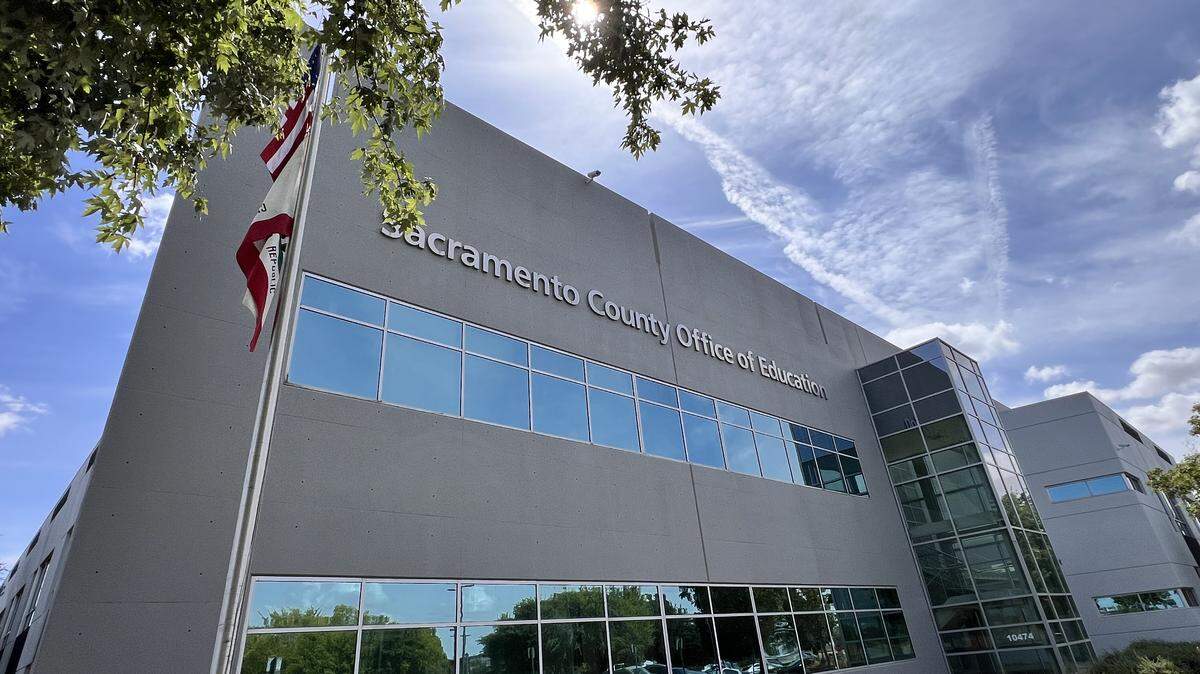
Sacramento County Office of Education-appointed fiscal adviser Luz Cázares said she would only reinstate Sacramento City Unified’s July agreement with its teachers union if the district first shows that its budget plan is realistic and can keep the district solvent.
Read more New California law sets new age limits for jury duty. Here’s who can ‘opt out’
Cázares sent a letter Wednesday to the district Superintendent Cancy McArn and Chief Business Officer Gerardo Castillo, responding to SCUSD’s request to reinstate its rescinded MOU, a flashpoint in the dispute over how to address the district’s $222 million structural deficit.
“Once again, budget solutions must be feasible. Speculative budget solutions will not support the district’s cash position and ability to make payroll,” Cázares wrote in the letter reviewed by The Sacramento Bee.
Cázares expressed “grave concerns” about the district’s assumptions that it would receive $22.7 million in Proposition 98 settle-up funds in each of the 2027-28 and 2028-29 school years, and that $30.9 million in one-time state grant money received this year would continue as ongoing revenue in its multi-year projection.
Cázares also asked SCUSD to identify the state officials it said advised counting that money as ongoing revenue, and to provide any written documentation of that advice.
“For the sake of clarity, we note the immediate and significant impact to cash flow and your ability to make payroll if these highly questionable assumptions do not materialize,” Cázares said.
Since the district approved a new teachers’ agreement and an updated multiyear projection, SCOE disapproved SCUSD’s June budget, the fiscal adviser stayed the new MOU over concerns about public disclosure and review, and now she says she will consider reversing the rescission of the July MOU only if the district backs up its budget assumptions and demonstrates a path to solvency.
At the last board meeting on Thursday, board member Taylor Kayatta disputed the fiscal advisers’ account of how SCUSD developed its budget revisions, saying the proposals had been discussed publicly over several months, not presented at the last minute.
Sacramento City Unified defended the revenue assumptions in its multiyear projection Friday, calling them “reasonable, fact-based” and backed by trends over the past five years.
“Public school budgeting is often complicated by the distinction between ongoing revenue and so-called ‘one-time funding’ that is nevertheless disbursed year after year,” Brian Heap, a spokesperson for the district wrote in a statement.
Fiscal adviser raises new questions about SCUSD’s budget plan
In Wednesday’s letter, Cázares questioned SCUSD’s much slower projected growth in special education spending and asked why the district removed a $9 million transfer included in its solvency plan from its year-end report.
Read more Huge numbers of birds are migrating over Sacramento each night. How to track them
SCUSD set a special education spending target of about $263.3 million in its revised 2026-27 budget, about 2.4% higher than it spent on special education in 2025-26. The 2.4% increase is “significantly out of line with recent increases,” Cázares wrote, noting that the spending rose 11.1% last year and 13.7% the year before.
At the same time, Cázares warned that SCUSD has little room to maneuver in special education. After accounting for spending and commitments, indirect and pension costs, and a planned budget cut, she estimated that about $24.5 million would remain for new students with IEPs and unexpected costs.
In the statement, Heap said the district’s “stronger internal oversight and newly implemented safeguards” would help keep special-education spending closer to its budget target than in past years.
The fiscal adviser also asked why SCUSD’s unaudited report left out a planned $9 million transfer from funds set aside for employee insurance costs into the district’s general fund. The planned transfer appeared in the district’s second and third interim reports, but was removed from the year-end report without discussing the change with the board, Cázares said.
“If staff determined the solution could not be implemented, the board should be informed and allowed an opportunity to act on the revision,” Cázares wrote.
In Friday’s statement, the district said it had not eliminated the transfer and that Castillo initiated it after learning it had not been completed.
“Taken together, these mischaracterizations and the letter’s tone raise serious concerns about the effectiveness of our fiscal advisor and the Sacramento County Office of Education,” Heap wrote.
“This recent letter again raises the question of whether the intent is to truly collaborate with us, support our fiscal recovery, and help us preserve local control.”
Jacqueline White, the county office’s new superintendent, echoed Cázares’ concerns in her statement to The Bee, saying the district still had “significant assumptions and outstanding issues” to address.
“Our responsibility is to ensure that the district’s fiscal plan is based on feasible, sustainable solutions and provides sufficient cash to meet its obligations,” White wrote in an email.
Read more Trains can kill as they move Valley freight, people. Railroad urges safety at crossings
This story was originally published September 25, 2026 at 3:12 PM.