 By admin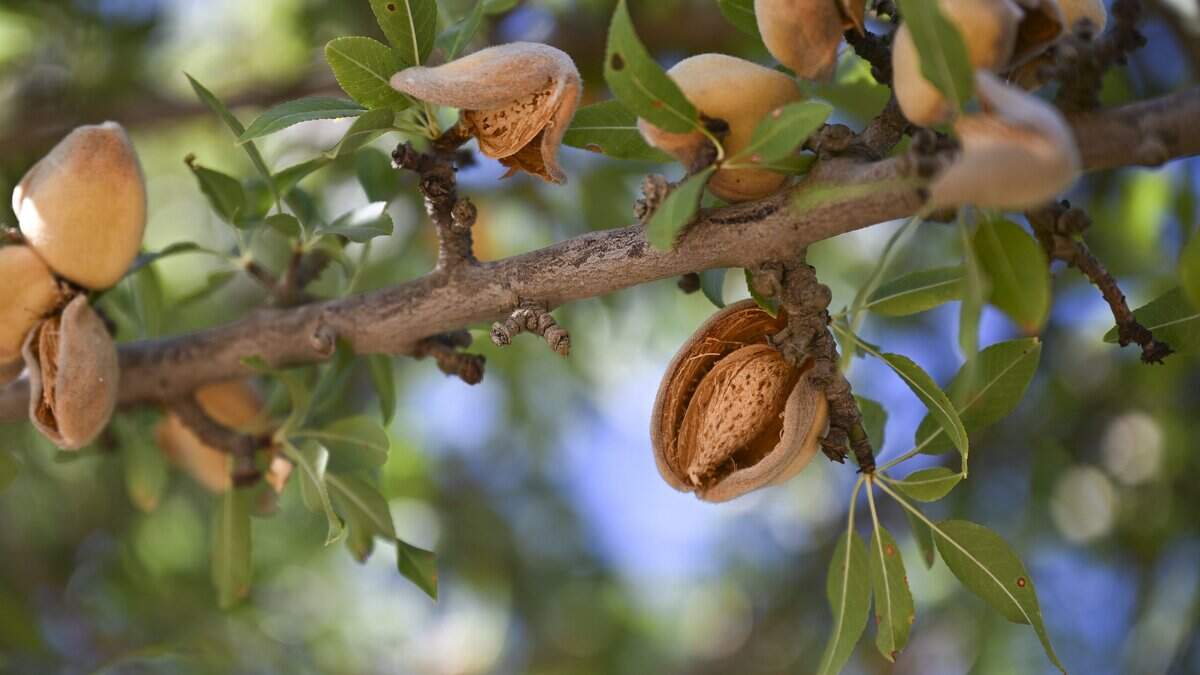
A backwards trend is taking place in California’s agriculture sector.
While demand for organic products is up across the country, California is losing acreage with organic crops.
Read more The Bee’s Top 25: Tight SFL race seems tighter after Folsom 2OT win over Rocklin
Total organic cropland production acreage is estimated to have dropped from 6.1% of the state’s overall cropland acreage to 4.5% between 2017 and 2022, a new report from researchers at UC Davis found.
The decline comes at the same time that organic pasture and rangeland is increasing, the new study shows. Nationally, these trends are the opposite, U.S. Department of Agriculture data show. Exact organic acreage estimates — both for cropland and pasture and rangeland in California and the United States — widely depending on the source.
The in overall organic production acreage from 2.1 million to 1.8 million acres between 2019 and 2022. California still leads the nation in organic production.
Kern, Fresno, San Luis Obispo, Modoc and Imperial counties lead the way in total organic cropland acres in California, according to 2022 data analyzed in the UC Davis report. Kern, Lassen, Modoc, Tehama and Humboldt are the leading counties for organic pasture and rangeland acres.
The decline in organic cropland acreage poses a threat to California’s climate goals. The state aims for 20% of cropland to be organic by 2045.
What could explain CA’s cropland decline?
Katie Butterfield and Ryan Galt, the authors of the new report, want to find out why organic cropland acreage is declining. The researchers see their work as a way to not only help farmers take advantage of increasing consumer demand, but also as a way to support the state’s climate initiatives.
“We face a pretty severe climate crisis … One way forward is to really reimagine what our production systems look like,” Galt said. “…You can have agriculture that is contributing a lot to climate change … but you can also have agriculture that supports those ecosystems.”
Between 2011 and 2021, the organic cropland market boomed, growing 79% across the U.S., according to USDA data. There was a 90% increase in the total number of organic farms, data which includes pasture and rangeland operations.
But the U.S. has been in global rankings for certified and transitioning organic acreage, USDA data shows. In 2015, the U.S. ranked third for organic acreage. In 2022, the U.S. ranked ninth, down from eighth in 2021. Australia was the 2022 world leader in organic acreage, with the vast majority of its organic land reserved for grazing.
Read more Sacramento County supervisors are a mess. The Bee endorses a reformer in District 1 | Opinion
Pasture and rangeland, Galt said, is much easier to certify compared to cropland.
Organic cropland acreage declines could be happening for a slew of reasons, according to agriculture experts and reports.
Organic farmers face numerous challenges: regulatory burdens, production costs, weed management and water and labor shortages, according to from University of California academics. Systemic challenges include market size — rapid expansion in organic production led to a consolidation of buyers and a drop in price premiums — and a lack of consumer awareness and continuous oversight of organic farming operations.
Growers are also facing increasing pest pressures as growing season lengths and temperatures shift due to climate change, as well as rising competition from cheaper imported goods.
California is losing farms and agricultural land at high rates due to these myriad challenges and more, potentially contributing to the loss in organic acres.
The National Organic Coalition, which reviewed data from across the country, found that some farmers who surrendered their organic certification remained in agriculture, while others went out of business entirely. Organic production exits were concentrated in rural areas, including California’s Central Valley.
Which crops are most affected?
For future research, Butterfield and Galt are applying for grants to explore why certain commodities are seeing bigger declines in organic acreage than others and why farmers are leaving the organic space.
Butterfield’s preliminary evaluations show that the organic raisin, table grape, kiwi and almond markets are seeing bigger losses than some other crops.
Read more Incumbent and a small business owner seek Citrus Heights 4th District seat
This story was originally published September 29, 2026 at 3:31 PM.