 By admin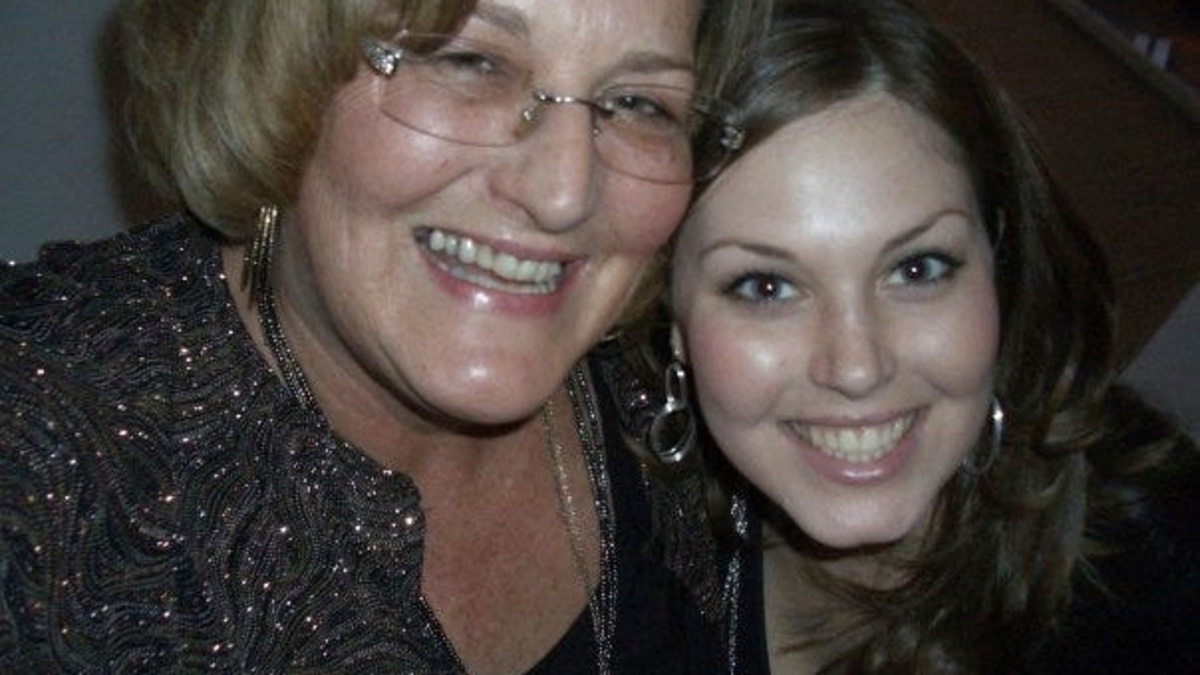
Genevieve Lobos, 43, said she was “always the more responsible one” between herself and her younger brother. That’s why she took on most of the care responsibilities when her mother’s cancer came back in 2022, she said.
Read more Why Redding Chamber, retired leaders are vetting election picks
But was she just better at care? Or did the burden fall on her because of her eldest daughter status? Looking back, Lobos isn’t sure anymore.
“Was it innate? Sure, I guess,” she said. “Was it something I necessarily chose or was it something that just kinda had to happen because it was a utilitarian sort of thing? I think it was more the latter.”
She said she has friends who are also eldest daughters and end up “in the same boat.”
It’s called the “daughter tax.” Family caregiving responsibilities tend to fall disproportionately on daughters, with daughters being nearly twice as likely than sons to provide hands-on care, according to analysis from Waterlily, an AI-powered financial planning platform. A Bay Alarm Medical survey of more than 1,000 adult family caregivers found that nearly half of caregivers feel resentment toward a sibling over an unfair caregiving load, and that daughters overwhelmingly took on the brunt of the hands-on and emotional caregiving work.
“We have a superpower as females, as caregivers and nurturers,” said Alexandra Mysoor, cofounder and CEO of Alix, an estate settlement service. She added that many women can anticipate their loved ones’ needs. When it comes to estate settlement and caregiving, “I think women just feel like it’s a final act of love,” she said, even if the task itself can be time consuming.
Adult daughters are typically the ones who organize their parents’ funerals, Mysoor said. And they’re also the ones who tackle the post-death paperwork − all while moving through the grief of losing a parent.
“In almost every family we serve at Alix, the person settling the estate is a woman,” Mysoor wrote in a recent LinkedIn post. “Often a daughter, often the eldest. She is the one who organizes the funeral, then opens probate, then spends the better part of a year on the phone with banks, courts and agencies on behalf of someone she has just lost.”
Lobos said her parents split when she was a teenager, but she reconnected with her father around the time she got married. He fell sick and died shortly after that, and Lobos settled his estate.
“My brother didn’t really know what to do. He kind of took my lead, and I don’t know if it was simply because I was the oldest kid and (he) kind of just assumed I had it together,” she said. Regardless, Lobos said, “I ended up being the project manager for not just my life − my mom’s life, my dad’s life, my kids’ life, my husband’s life. It gets exhausting. But it’s not that I necessarily chose to sign up for it, it’s just a thing that happened.”
Read more Raiders vs. Patriots: Winners & Losers From New England
For many families, caregiving comes with a cycle of guilt
Lobos said her mother was first diagnosed with cancer in 2010. She was cancer-free for many years following chemotherapy and radiation, but when the cancer came back in 2022, Lobos’ mother was well into her 70s and couldn’t handle chemotherapy again.
Her brother and sister-in-law lived with her mother, she said, and could help out with their mom’s care sometimes. But Lobos still felt like she was the more hands-on caregiver for her mom.
April Ibarra, a gerontologist and care adviser at Arlow, an AI-powered app for caregivers, calls this shift from helping out a parent to accumulating more and more caregiving responsibilities “caregiver creep.” It might start with picking up groceries and medications, and then turn into accompanying an aging parent to several doctor’s appointments a week. Most family caregivers who call her for a consultation are adult daughters caring for their aging parents, she said, and eldest daughters tend to be the default.
“And then once you get started on that role, it just tends to evolve,” Ibarra said, adding that things can pile up especially if the main point person doesn’t ask for help or communicate well with other family members. “It does spiral, and it ends up being that person taking over a huge part − if not all − of the family caregiving.”
Lobos was the one who had to have the hard conversations with her mom about pivoting from treatment to hospice. She then handled everything to do with her mother’s estate and finances after her death. Looking back, she said, if she didn’t do those things, she would have felt immense guilt.
“It’s my mom. And my mom was my best friend. She was the closest thing to me,” she said, adding that they shared a special bond and could read each other’s facial expressions with a glance. “It was hard for me to prioritize my own life because I was prioritizing everyone else’s. And then she felt guilty that she knew that I was prioritizing my life for her. So then I had guilt that she was feeling guilty.”
Guilt and resentment are common among family caregivers, Ibarra said. She always tries to remind people − not just eldest daughters, but all caregivers − to ask for help when they need it, and to try to plan ahead.
“Not all of it needs to be done by one person,” she said.
Madeline Mitchell’s role covering women and the caregiving economy at USA TODAY is supported by a partnership with Pivotal and Journalism Funding Partners. Funders do not provide editorial input.
Reach Madeline at [email protected] and @maddiemitch on X.
This article originally appeared on USA TODAY: Care comes with a cost. Eldest daughters know it all too well
Read more 7 Winners, 3 Losers From Steelers Win Over Colts
Reporting by Madeline Mitchell, USA TODAY / USA TODAY
USA TODAY Network via Reuters Connect
Copyright Reuters or USA Today Network via Reuters Connect
This story was originally published October 12, 2026 at 4:01 AM.