 By admin
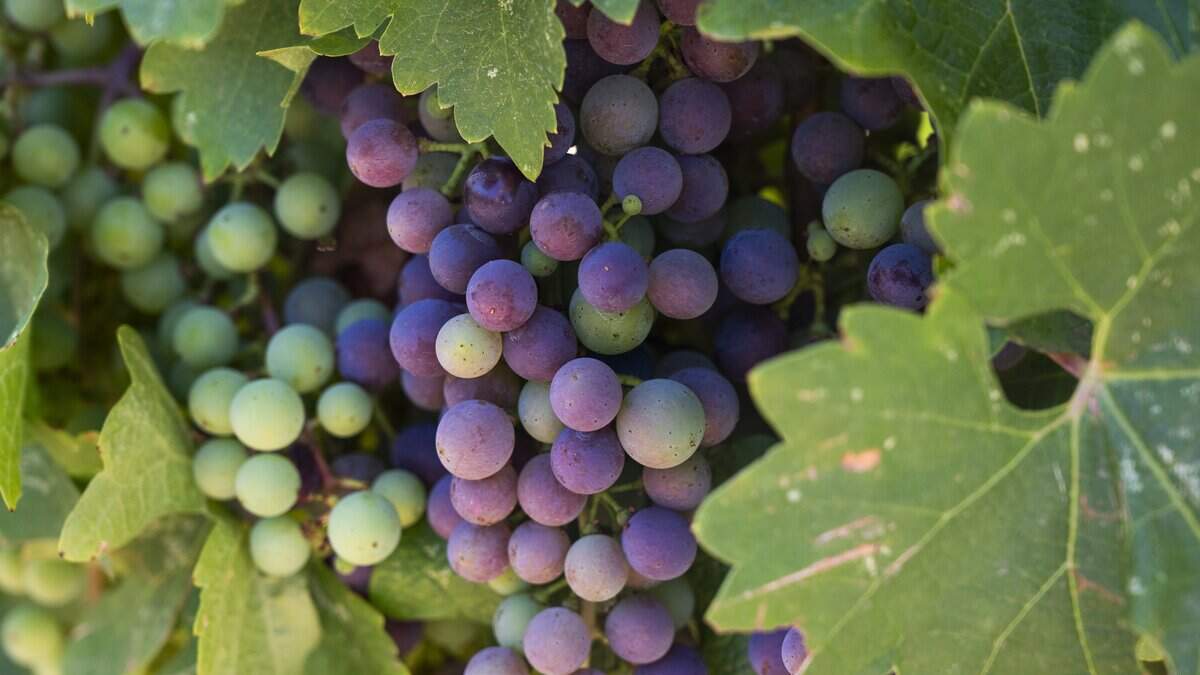
California lost 8% of its wine grape acreage in the last year.
That’s according to the latest estimates from a wine grape mapping report released by the California Association of Winegrape Growers and Land IQ, a Sacramento-based agriculture industry data provider.
Read more With no deal, SEIU Local 1000 state workers join one-day strike. What to know
There were 47,229 acres removed between Aug. 1, 2025 and Aug. 1, 2026, leaving 439,115 total acres remaining, the report found. Last year, for the inaugural report (which had a shorter time frame of October 2024 to August 2025), 38,134 acres of wine grapes were torn out.
“The findings put numbers to changes growers are experiencing firsthand, and behind those numbers are difficult decisions affecting families, employees and local businesses,” said Natalie Collins, president of the grape grower association, in a recent news release. “Acreage is adjusting to a difficult market, but as we work to rebuild demand for California wine, we have to make sure the growers at its foundation are still farming when that demand returns.”
The billion-dollar wine and grape industries have faced bankruptcies, sales and serious downsizing in recent years as they wrestle with an oversaturated market. Grape growers and winemakers of all sizes are contending with a steep drop in consumer demand and the loss of the majority of wine exports to Canada. Many consumers are drinking less or buying ready-to-drink beverages such as beer and canned cocktails.
Numerous grape growers and winemakers have laid off staff.
The public portion of this year’s report will not include a county-by-county breakdown of where vineyards were removed. Last year, the counties that saw the highest acreage losses by far were San Joaquin — where Lodi is located — and Fresno. At a recent press conference to share grape grower and winemaker insights from this year’s harvest, Ben Kolber, owner of the Lodi-based KG Vineyard Management, said in the last two years, the Lodi area has seen “lots of vineyards removed.”
“These vineyards will not come back in the ground,” Kolber said.
The report does include newly captured acreage numbering around 8,900. Those acres are vineyards that were not mapped last year — which does not mean that they are all newly planted vines.
Read more Sacramento sheriff under fire for failing to adopt safeguards for autistic drivers
Land IQ uses artificial intelligence, remote sensing and on-the-ground verification to map vineyard blocks statewide. It does not verify if the vineyards are in use.
In recent years, many grape growers have left fruit to rot on vines. c
California produces around 80% of all wine in the United States, according to industry groups. The wine industry supports more than 422,000 jobs statewide, generating about $73 billion in annual economic activity, according to the California Department of Food and Agriculture.
The most recent grape crush from the U.S. Department of Agriculture shows wineries crushed 2.62 million tons of wine grapes in the Golden State in 2025, down over 8% from 2024. The average prices for red and white wine grapes per ton were down 4.4% and 0.9%, respectively, from 2024 to 2025.
This year’s grape harvest was one of the earliest in decades for some regions, with significantly less tonnage harvested following weather events in the spring that led to smaller grape clusters. About five years ago, a lighter harvest might have spelled trouble for wine grape growers who rely on tonnage for sales. This year, industry representatives said a lighter yield may allow for a course correction to the oversaturated grape and wine markets.
Read more Struggling Kansas searches for ‘magic potion’ vs. Baylor
This story was originally published October 19, 2026 at 1:25 PM.