 By admin
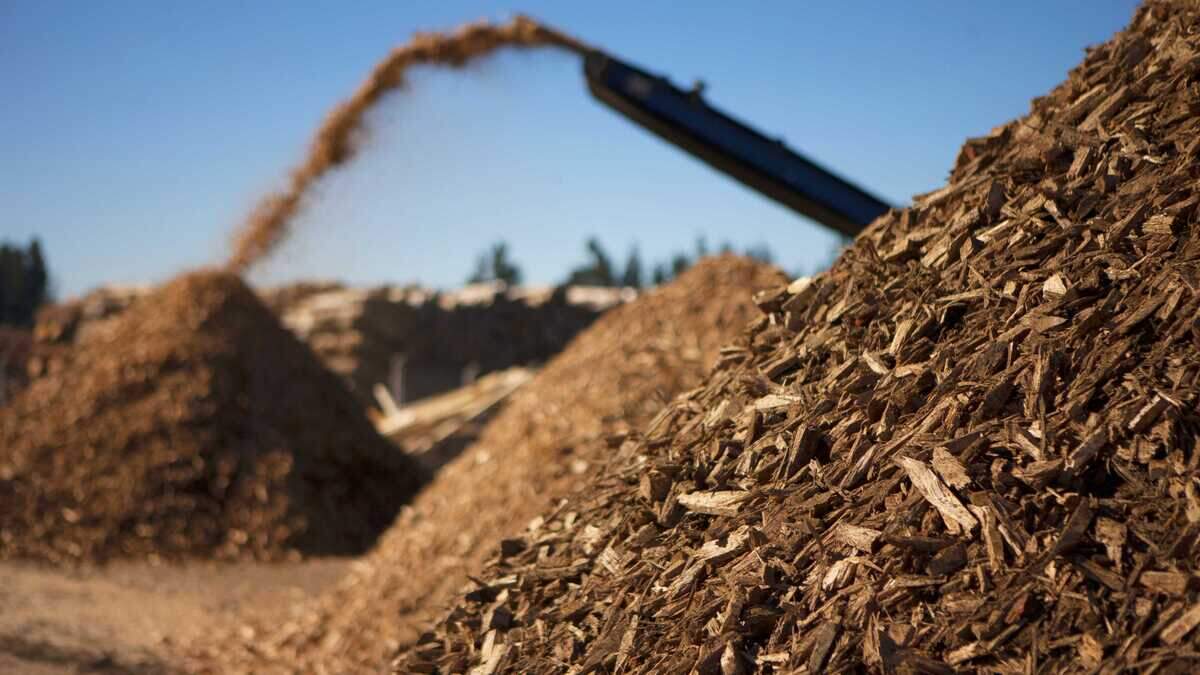
Placer County supervisors approved a loan of up to $6 million to a private company to help build a facility near Truckee that would turn forest debris into biochar, raising questions about how much money the county could recover if the company defaults.
Read more Idaho seeks death penalty against mother who blamed vaccines for twins’ deaths
The loan to Sierra Nevada Biochar LLC will carry a 10% annual interest rate and must be repaid over five years, according to county officials. The firm’s parent company, Biochar Now LLC, will be responsible for any project costs above $6 million.
County officials said the facility could reduce the need to haul forest debris long distances and create a local use for material removed during forest-thinning and wildfire-prevention work.
But questions remain about how much the county could recover if the company cannot repay the loan.
Deputy Public Works Director Jared Deck said county staff and outside consultants reviewed Biochar Now’s financial records, sales receipts and ongoing sales agreements to assess the company’s ability to operate the facility.
Biochar Now did not respond to a request for comment Tuesday.
The county also negotiated several forms of collateral for the loan, including equipment and buildings at the facility, assets belonging to Biochar Now at six other locations and carbon credits, Deck said.
» Roseville news in your inbox: Get our free Roseville email newsletter here
How the loan works
The county plans to use money from its Solid Waste Enterprise Fund reserve to finance the project. The staff report said the loan will be disbursed only after the company has paid invoices for materials, construction and equipment fabrication.
Under the proposed agreements, the county would also receive $15,000 in monthly rent and 10% of the facility’s net profits. However, supervisors did not approve the ground lease when they approved the loan. The lease will return to the board at a future meeting.
The county said it is not required to provide additional money for the project. Officials are still reviewing whether the landfill site has enough electrical capacity for the facility and other planned operations. Any future power upgrades and their funding would require further consideration.
The proposed loan would be secured by the facility’s equipment, buildings, biochar, carbon credits and other company assets. The county would also have a claim against assets belonging to Biochar Now, including patents and financial accounts.
The protections give the county claims against certain assets, but it remains unclear whether those assets would be enough to cover the loan if the company defaults.
Turning forest debris into biochar
The facility would be built on 2.7 acres of county-owned land at the Eastern Regional Landfill, at 900 Cabin Creek Road, south of Truckee.
The first phase would include 30 kilns and a 12,800-square-foot building for processing, packaging and storing materials.
The facility would use technology that heats woody material without burning it to produce biochar, a charcoal-like material that can be used to improve soil and store carbon, and other products.
It would initially process about 5,000 tons of material each year, with the potential to increase to 13,000 tons, according to the county.
Read more Fantasy 5 players win nearly $1 million in California. See where tickets sold
Deck said 20,000 to 25,000 tons of bone-dry biomass are available each year at the landfill. All of that material is currently hauled elsewhere for disposal, including round trips of about 200 miles to other biomass facilities.
Under the proposed agreement, the company would buy at least 5,000 tons of material each year from the county at a rate of $60 per ton, adjusted for moisture.
A second phase could expand biochar production and use byproducts to generate electricity or heat, according to the county.
The county hopes the facility will give forest debris a local use, reduce long-distance hauling and make forest-thinning projects less expensive.
Deck said the project could eventually help the county lower green-waste disposal fees at the landfill. That would depend on revenue generated by the facility and is not guaranteed.
Environmental review and next steps
The county Planning Commission approved a permit for the redesigned facility on Sept. 10 and adopted an addendum to the project’s environmental review.
The current plan replaces an earlier 2-megawatt biomass-to-energy project, approved in 2013, that would have used biomass to generate electricity. The county put the project on hold in 2017 and revived efforts to evaluate it in 2022.
Deck said the environmental impacts of the redesigned project were addressed in the environmental review addendum and that the new plan represented an improvement over the earlier proposal.
The county expects construction to begin in spring 2027, with substantial completion required within 18 months after construction starts. The facility is expected to employ five full-time workers, Deck said.
“The County continues to be at the forefront of investing in preserving our forest and the reduction of catastrophic wildfire which is why the County is willing to negotiate a deal with a private firm to build a biomass utilization facility on County property,” Deck said.
The county’s broader biomass program began in 2006 and aims to reduce wildfire risks, improve air quality and find uses for excess woody material.
The construction and operating agreement would run for five years, with two possible five-year renewals. The ground lease will be considered by supervisors at a later meeting.
This story was originally published October 21, 2026 at 7:16 AM with the headline “Placer County puts up $6M loan for wildfire debris project. What are the risks?.”
Read more Two people stabbed in Halloween corn maze at California pumpkin patch