 By admin
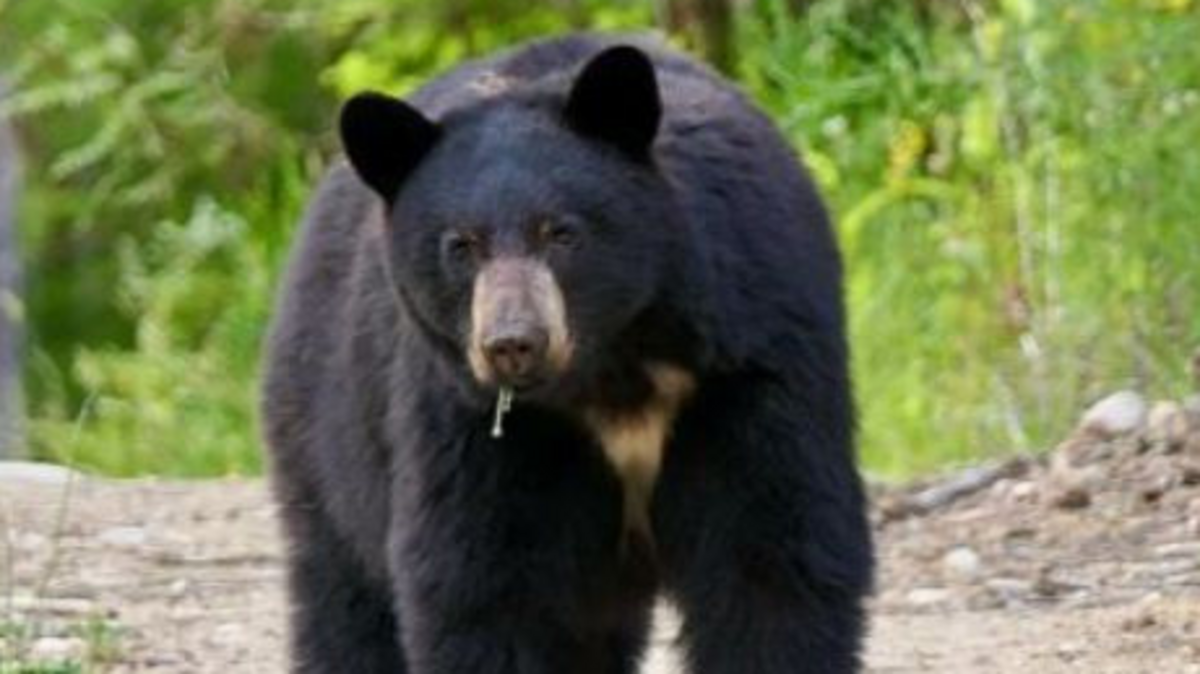
Black bears are moving to lower elevations as they seek food before winter hibernation, California wildlife experts said.
Read more Martin Sheen cast in Texas-made film about late Longhorns football star
“California’s black bears are on the move and turning up in some surprising places,” the California Department of Fish and Wildlife warned in a Friday news release.
The state is home to about 61,000 black bears, the agency said. California has the largest black bear population in the continental United States.
In August, a black bear was spotted in Rocklin and Roseville, The Sacramento Bee reported. Bears also were spotted in Lincoln and Auburn.
Earlier this year, a mother bear and her cubs were seen in Granite Bay, the state wildlife agency said.
Security cameras also captured footage of bears in Pollock Pines in El Dorado County.
“Some of what we’re seeing are natural movements as bears disperse,” said Arjun Dheer, the department’s black bear coordinator. “Bears can travel considerable distances and follow river corridors and connected open space to move through developed areas.”
Read more PG&E to shed 200 employees in winter layoffs, including 30+ in Sacramento area
But sightings of very young bears at lower elevations may suggest the animals aren’t simply traveling from higher elevations in search of food this fall.
“Black bears are exceptionally adaptable and able to use a wide variety of habitats,” Dheer said.
The department also offers tips for keeping bears away from homes and properties.
What to do if you see a bear
Bear attacks in the U.S. are rare, according to the National Park Service. In most attacks, bears are trying to defend their food, cubs or space.
There are steps people can take to help prevent a bear encounter from becoming a bear attack.
Read more Farm-to-fork vegan food hall is coming to Fair Oaks
- Identify yourself: Talk calmly and slowly wave your arms. This can help the bear realize you’re a human and nonthreatening.
- Stay calm: Bears usually don’t want to attack; they want to be left alone. Talk slowly and with a low voice to the bear.
- Don’t scream: Screaming could trigger an attack.
- Pick up small children: Don’t let kids run away from the bear. It could think they’re small prey.
- Hike in groups: A group is noisier and smellier, the National Park Service said. Bears like to keep their distance from groups of people.
- Make yourself look big: Move to higher ground and stand tall. Don’t make any sudden movements.
- Don’t drop your bag: A bag on your back can keep a bear from accessing food, and it can provide protection.
- Walk away slowly: Move sideways so you appear less threatening to the bear. This also lets you keep an eye out.
- Again, don’t run: Bears will chase you, just like a dog would.
- Don’t climb trees: Grizzlies and black bears can also climb.