 By admin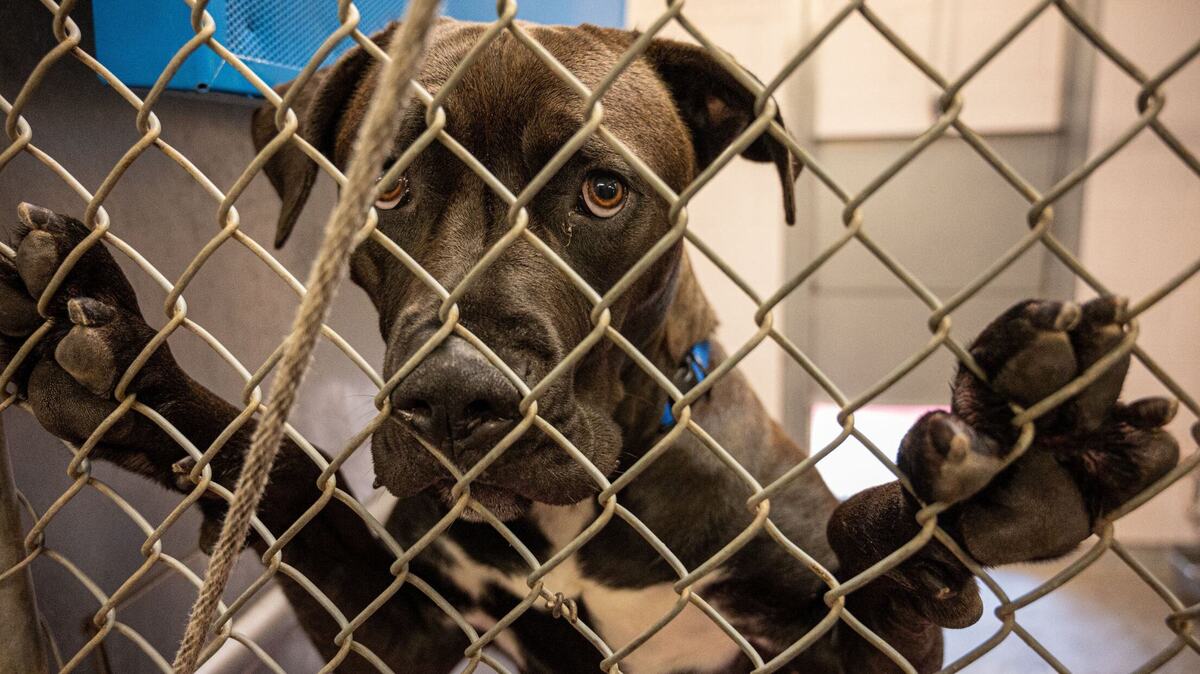
Would you adopt Sparky, an “energetic, affectionate” dog who loves toys and long walks (but has some behavioral issues) from Front Street Animal Shelter?
Read more At what age is it ok to leave a child home alone in California? Know these rules
How about if you knew the exact date Sparky was set to meet his demise?
Sparky may be fictional, but he represents a model that the city of Sacramento is pursuing to move cats and canines out of the packed municipal shelter.
Front Street Animal Shelter is considering piloting a program that would notify potential adopters of the date animals are set to be euthanized, issuing a “final plea” to get a vulnerable critter out of a kennel and into a home.
The Final Plea Program is being considered by a city committee Tuesday, but details of how the program would work are still up in the air after a working group of Animal Well Being commissioners and city staff members have issued differing opinions on how it should be implemented.
City staff are pushing to limit the eligibility for the program, seeking to exclude animals they judge unsafe for public placement based on behavior or a severe medical condition, while the commissioners’ draft includes all animals not formally designated as “Dangerous Dogs,” which are not available for public adoption anyway.
While commissioners want to see up to four emails or social media posts a week advertising animals in urgent need of placement, Front Street staffers are worried that this volume of posts could “fatigue followers” and result in audience disengagement from the shelter’s social media channels, which are “vital” to saving animal lives.
Interim shelter manager Ryan Hinderman told the commission in March that he is concerned that this marketing could deter general adoptions because of the negative feelings associated with euthanasia.
“My concern is that this style of marketing, depending on how it’s done … and the magnitude of which it’s done, could deter those general adoptions, resulting in less adoptions, which creates more crowding, more illness, more stress on those animals whose mental health leads them to having these behavior problems that lead to adoptability issues.”
Euthanasia at Front Street Animal Shelter
Elyse Mize, co-founder of a group advocating for reform called Fix Front Street, said that she has been encouraging Front Street staff members to mark animals whose euthanizations are impending as “urgent” to communicate to both members of the community and local rescues that their lives are at risk.
Read more Democrats must drastically change approach to gaining Latino vote | Opinion
“It’s a simple notification to the public: ‘Hey, this dog or cat is going to be euthanized, and you have the ability to save it,’” she said.
According to data released by the city, around 80% of animals that exited the shelter in May 2026 were released alive while most of the rest (161 total) were euthanized. Another 48 died in the shelter or in foster care.
The city says the majority of the shelter’s euthanasias affect animals who are suffering, newborns who are failing to thrive and dogs that pose a safety risk. But as animal shelters across the country, including Front Street, face increased intake and decreased adoptions, sometimes unadopted animals are euthanized to make space.
When the shelter gets close to capacity, it hosts events with waived adoption fees in the effort to get as many animals out of the kennel as possible. Through Sunday, there will be no fee to adopt adult dogs ages six months and older to make room for incoming strays.
Crowded shelters can make animals stressed or sick, which also makes them more reactive and often less adoptable. An assessment conducted last year shows that Front Street is too small, too old and “not meeting the standard of care in animal shelters,” likely contributing to higher rates of deaths among the animals.
Front Street volunteer Paul Hefner previously told The Sacramento Bee that the shelter was like “being jailed in a foreign country.”
After the departure of former shelter manager Staycee Dains and longtime Animal Care Services Director Phillip Zimmerman’s early retirement, the shelter is at a crossroads. Last year’s needs assessment also indicated the shelter needs between $30 million and $50 million for renovations and expansion.
Read more Wilton Rancheria tribe marks 17 years since regaining federal status