 By admin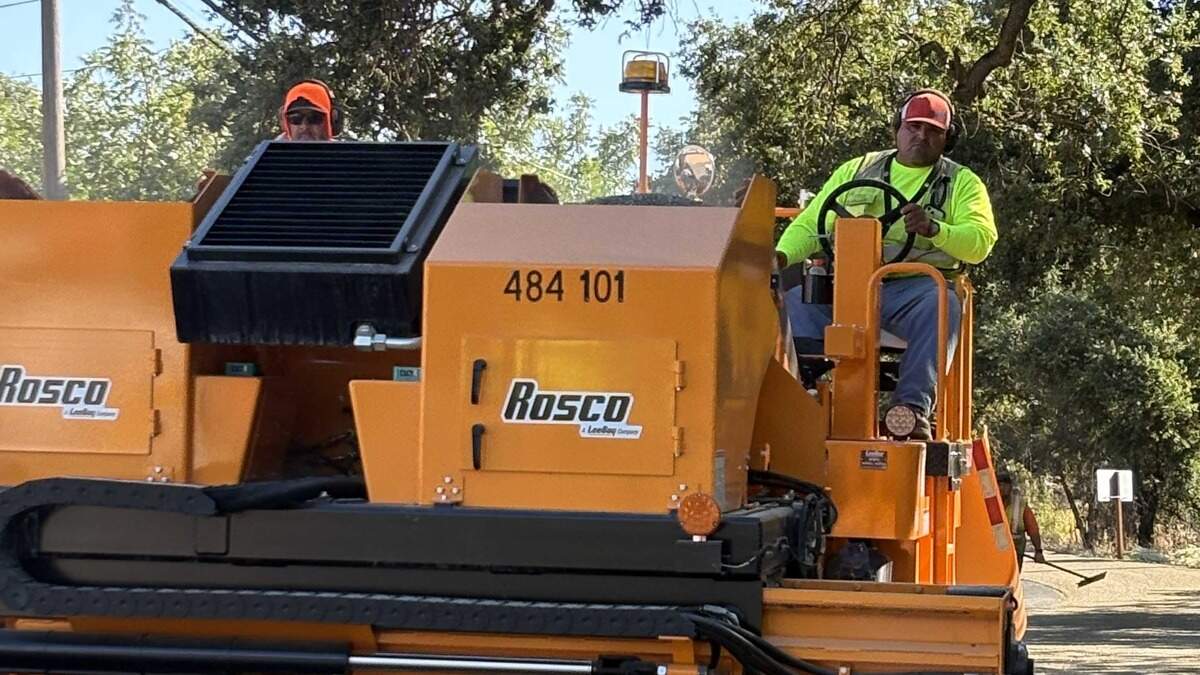
Sacramento County is rolling out a new road repair machine that officials say will allow crews to maintain more miles in less time while helping chip away at a longstanding maintenance backlog.
Read more California hate crimes worry advocates despite recent drop. ‘The data is clear’
The $773,000 “chip seal” machine — purchased by the county’s Department of Transportation more than a year ago but delivered in June — applies protective layers that extend the life of pavement without the cost and disruption of full reconstruction along the county’s 4,700-mile road network.
The chip sealer is faster, cheaper and uses less labor than full repaving, county spokesperson Matt Robinson said, allowing the county to stretch its budget and workforce and address more projects.
“This is going to be a huge help for us,” Robinson said.
The machine began its first official project Monday in the Orangevale area and will work across the county for the next two months, weather permitting.
Robinson said chip sealing falls between filling potholes and completely reconstructing a road, allowing crews to preserve pavement before it deteriorates to the point of needing full replacement.
How does it work?
The chip seal machine, which includes a so-called chip spreader and two pneumatic rubber-tire rollers, applies a multilayer seal coat to roads. After a mixture of asphalt, water and an emulsifying agent is applied to the pavement, the chip spreader distributes a layer of rock. The rollers then pass over the area three times, and workers sweep away excess material.
A contractor completes the process about four days later, after the materials have cured, by applying a waterproof sealant, known as a fog seal, with different piece of machinery.
Before work can begin, crews must repair damaged asphalt, sweep the roadway, clear tree canopies and other vegetation and replace deteriorating cross culverts.
The chip and fog seal must be applied during the warmer months, generally between May and September. Crews need to complete the work before the rainy season begins, Robinson said.
Read more Poison control agency warns of synthetic supplement sold in some herbal products
In Orangevale, the first road to be treated was Cherry Avenue, between Hazel and Mountain avenues. The chip sealer crew will also be sealing nearby roads such as Excelsior, Peerless and Telegraph avenues.
Starting in July, about 20 people have been training with the machine around Rio Linda. It requires a crew of five to eight workers, including traffic flaggers, and can treat about 3 miles of roadway per day. By comparison, digging up and repaving a road requires 12 to 14 workers and covers only about a mile a day.
The workers who previously would have been assigned to repaving projects can instead work on other road maintenance, Robinson said.
Road maintenance backlog
As of 2019, Sacramento County’s average Pavement Condition Index — the standard used to determine road conditions — was 50 out of 100. The county has been attempting to chip away at its road maintenance backlog for years, but much of its transportation budget has gone toward preventing further deterioration.
To raise the PCI score to 70 within 15 years, the county would to pavement maintenance, according to the 2019 report.
“We’re trying not to drop (the PCI) anymore and trying to keep the roads manageable and safe,” Robinson said.
“We have roads that are 60, 70 years old, and over time those start to become damaged from the weather, from usage,” he added. “The crews do the best they can to… do the work as quickly as possible to keep the traffic flowing.”
The chip-and-fog-seal method costs about one-tenth as much as tearing up and repaving a road, though it does not last as long, Robinson said. By using the new machine, the transportation department will be able to stretch its funding by maintaining more miles of roadway and extending the lives of more roads.
Read more California ag board: No letter to Newsom asking for packaging bill delay. Why not?