 By admin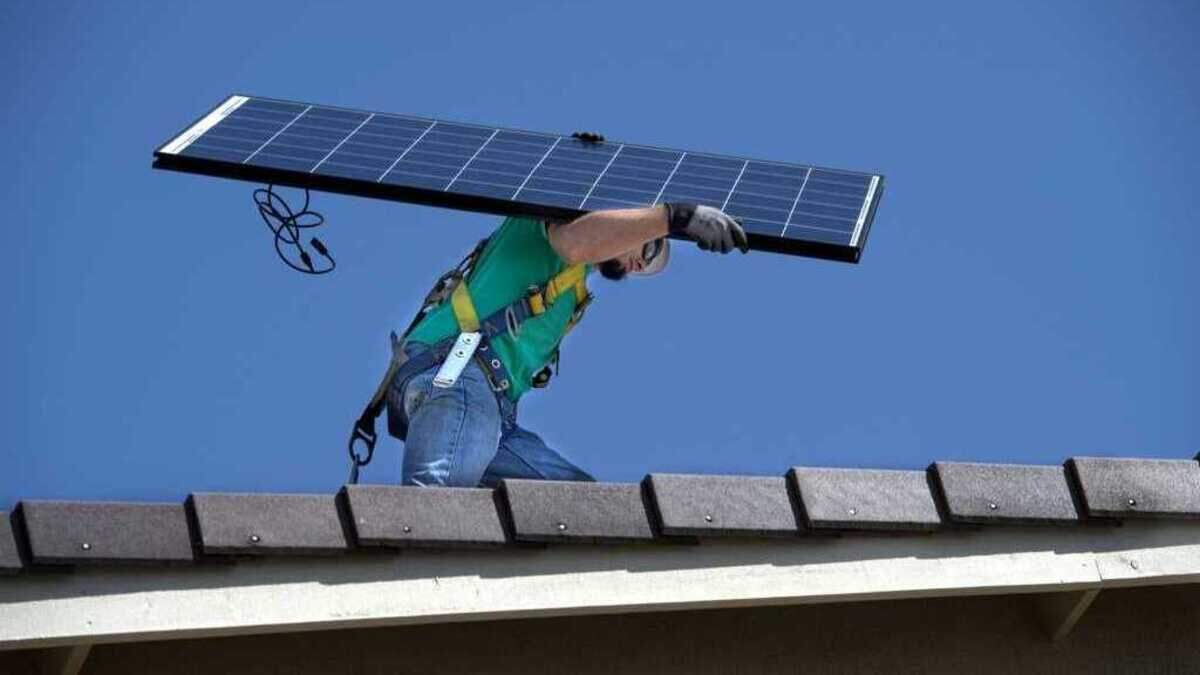
Many Californians would be shocked to learn about the hidden taxes in their electricity bills.
Read more Video shows Amazon driver attacking elderly man inside Elk Grove gas station
A study released last summer found that state-mandated public-purpose programs to the average residential electric bill for customers of investor-owned utilities, which include Pacific Gas & Electric, Southern California Edison and San Diego Gas & Electric. These mandates are built into ratepayers’ monthly bills without most customers knowing they exist.
One of the costliest examples — and one that disproportionately harms people of color — is California’s rooftop solar subsidy. For years, homeowners have installed rooftop solar to lower their electric bills, while everyone else shoulders the cost of subsidizing them. Non-solar customers are compensating solar households for the excess electricity their panels send back to the grid under a billing system called net energy metering.
Meanwhile, solar customers pay far less toward maintaining the grid that everyone relies on. The result is higher electricity bills for renters, lower-income families and others who either cannot afford solar or simply do not have the option to install it.
According to a separate study by the California Public Advocates Office, a consumer agency at the California Public Utilities Commission, customers without rooftop solar pay more than $8.5 billion each year on their electric bills to subsidize customers with rooftop solar systems. That adds about $440 per year (or 20%) to every non-solar customer’s bill, primarily hitting low-income families, seniors and renters hardest. As a result, families who are already paying a high share of their income for housing and utilities are forced to cover someone else’s solar subsidy.
In Black communities like the ones I represent, renters and apartment residents often cannot install rooftop solar or take advantage of incentives designed for property owners. Many Black-owned small businesses also operate on tight margins and can’t afford solar, yet they are still expected to help finance subsidies for customers with rooftop solar systems.
Lawmakers need to end net energy metering, California’s outdated way of offering rooftop solar subsidies. The program was created to help establish a developing solar industry. Since then, rooftop solar has matured into a robust component of California’s clean energy portfolio.
Read more Billionaire-backed group kicks off ad blitz against Prop. 40 wealth tax
Households that can afford panels still depend on the electric grid when their systems do not generate enough power, including during emergencies and at night. They should contribute their fair share to maintaining the system.
The state can continue to promote rooftop solar without forcing renters, seniors, small businesses and lower-income families to pay more for the grid. It’s time for a fair system that doesn’t involve non-solar customers funding benefits they cannot access.
It is beyond time for lawmakers to confront the costly state mandates and public-purpose programs that account for more than a third of our electric bills. While some public purpose programs are important, including bill assistance for low-income customers, energy efficiency programs and wildfire prevention, they come with real costs.
Electricity rates should be fair. It is unfair to require certain electricity customers to subsidize the cost of all these programs. We should consider cutting back on some programs or find more equitable ways to pay for them.
Ahmad Holmes is president and CEO of the California African American Chamber of Commerce.
Read more Rocklin affordable housing project near pipeline, railroad set for City Council vote