 By admin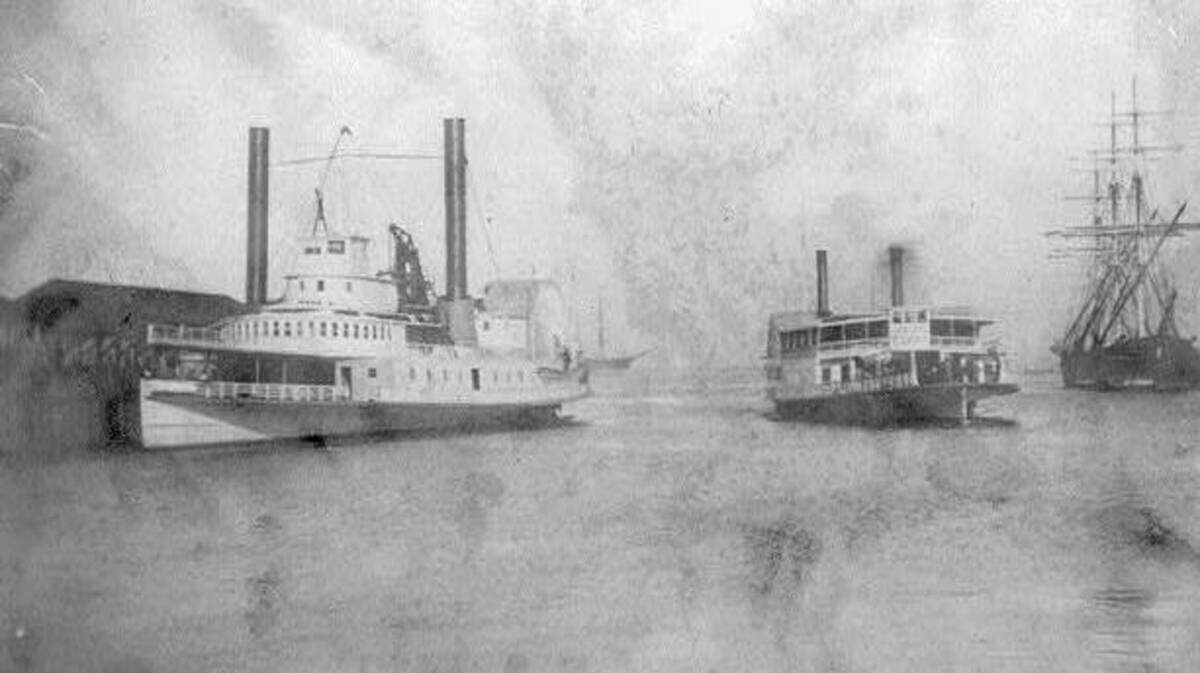
When rescuers arrived at the scene of a devastating steamboat explosion south of Sacramento in September 1864, they discovered a horrific sight.
Read more Sacramento news this week: CSU workers rally, Woodland flock cameras and more
“The river was strewed with pieces of the wreck and human forms blackened, scorched, and blistered, some dead and others writhing in agony on the splintered decks” The Sacramento Bee, then The Daily Bee, reported.
“Shrieks of agony met the ear” as rescuers aboard the steamboat Antelope set to work, according to the account.
An experimental new boiler on the steamboat Washoe exploded on the Sacramento River near Rio Vista about 35 miles south of Sacramento sometime between Sept. 4 and Sept. 6 — accounts differ on the precise date.
More than 70 of the estimated 175 passengers were killed, with dozens more badly hurt.
The explosion occurred while the Washoe was racing another steamboat, the Sacramento History Museum, which has an exhibit of remnants of the steamboat, said.
Here’s what to know:
Steamboats played key role in early Sacramento history
The first steamboat to traverse the Sacramento River, the Little Sitka, did so in 1847, although it only made one round trip, the Sacramento History Museum said.
But during the Gold Rush, steamboats became the main way to transport goods and passengers between San Francisco and Sacramento, the museum said.
The Delta King, now a restaurant docked in Old Sacramento, later traveled between the two cities from 1927 to 1940.
Story of the steamboat Washoe
The Washoe was a 385-ton side-wheel paddleboat with four 32-foot-long iron boilers set on the deck, the Deadliest American Disasters site said.
The Washoe was built in 1864 and exploded about six months later while traveling its regular route from San Francisco to Sacramento.
The boat left San Francisco accompanied by two other steamboats, the Chrysopolis and the Antelope, The Daily Bee reported.
A ‘terrible’ explosion rocks the Washoe
The Washoe exploded at about 9 p.m. near Steamboat Slough, about 12 miles above Rio Vista, according to the newspaper account.
Working then as a reporter for The San Francisco Morning Daily Call, Mark Twain said the late engineer of the Washoe attributed the blast to “rotten iron in the boiler.”
The back of the boat was destroyed, with some staterooms “thrown overboard” and the Washoe, having lost steering ran aground and struck a tree, Twain wrote.
“Had she not run ashore, almost everybody on board would have been lost, as they could not steer the wreck, and they had no boats, the steamer sinking gradually astern,” he wrote. ”The boat was set on fire in three places, which added to the horror of the scene.”
The Sacramento Daily Union described the scene on board as “heartrending.”
“Some called for help in one form and some in another, some asked for light, some for water, some desired to be thrown overboard, and others jumped overboard,” the newspaper said.
Read more Bill to revamp Sacramento homeless policy is on Newsom’s desk. What would it do?
R. G. Bachelder, of Lowell, Mass., told The Daily Union that he escaped his shattered stateroom by crawling through a skylight and found the deck “a mass of ruins.”
Accounts differ, but there are reports the Washoe may have been racing another steamboat, either the Yosemite or the Chrysopolis, at the time of the blast.
Such impromptu races weren’t unknown.
“It was common for masters to compete on the river and the high seas, it was ‘officially’ discouraged but ‘unofficially’ encouraged by ship owners,” Maritime Quest said.
Aftermath of the explosion
The Chrysopolis was reportedly too far ahead of the Washoe on the river to hear the explosion, but the Antelope, about an hour behind, met a boat whose occupants told the crew of the blast, The Sacramento Bee reported.
The Antelope hurried to the scene to pick up survivors, some of whom suffered severe injuries from steam inhalation.
“All who were alive had been taken ashore, but there was no shelter for them,” Twain wrote in The San Francisco Morning Daily Call.
“Those of the wounded who were able to move sought shelter in the sand and brush, groaning and screaming with pain,” he reported. “One man, who was scalded from head to foot, got ashore, and in a nude state stood and screamed for help, but would not allow any covering to be put on him.”
The crew of the Antelope loaded the injured survivors aboard, using mattresses taken from the staterooms, and headed to Sacramento, The Daily Bee reported.
The steamboat ran aground near the foot of R Street, the publication said.
“The fire bells of the city were at once rung in response, and in a short time the levee was thronged with an anxious crowd of men and women, many of whom featured their relatives might have been on board the unfortunate steamer,” The Sacramento Daily Union said.
The injured were taken to makeshift hospitals.
“Several deaths occurred after the boat landed, and of the forty or more badly injured nearly all will probably die,” The Sacramento Daily Union said
Accounts of the number of deaths range from 70 to more than 100.
“A general sadness prevailed throughout the city, and evidences of sympathy were to be seen on every side,” The Daily Bee said.
The Sacramento Daily Union called it a “terrible loss of life.”
Other steamboat accidents
But the Washoe was not the first nor the last steamboat to explode in Northern California.
The steamboat Fawn blew up on the Feather River as it neared Marysville on Aug. 16, 1851, The Appeal Democrat reported. It also was reportedly racing another steamship.
The explosion of the steamboat Pearl on Jan. 27, 1855, killed 55 people aboard, including the captain, the newspapers reported.
On Feb. 5, 1856, the steamboat Belle exploded while heading upriver from Sacramento to modern-day Red Bluff, Read the Plaque reported. A monument along the river remembers Leonidas Taylor, the ship’s clerk, who was among those killed.
On Oct. 12, 1865, the steamboat Yosemite exploded on the Sacramento River near Rio Vista, killing 43 people, the Sacramento History Museum said. The blast was later blamed on defective boilers.
Read more Sergio Robles finds opportunities to serve community from Washington to Elk Grove