 By admin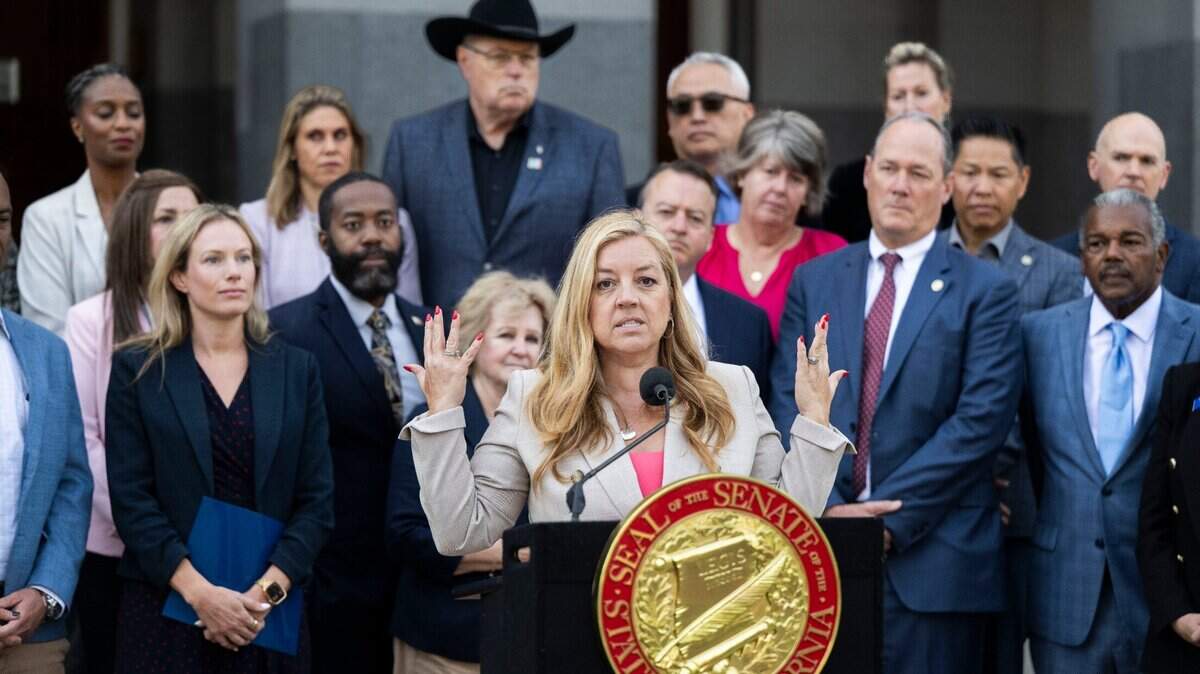
A bill that would require elected officials across Sacramento County to create a new lead entity to address housing and homelessness countywide has passed the state legislature and is now on Gov. Gavin Newsom’s desk, awaiting signature.
Read more Sergio Robles finds opportunities to serve community from Washington to Elk Grove
The legislation Senate Bill 802, authored by former Sacramento City Councilmember Sen. Angelique Ashby, D-Sacramento, would require Sacramento County and the cities of Sacramento, Elk Grove, Citrus Heights, Rancho Cordova and Folsom to create a new joint powers authority of elected officials by Jan. 1, 2028.
The new entity, which would include an unspecified number of members from each of those municipalities, would oversee the Continuum of Care, which is currently under the control of nonprofit Sacramento Steps Forward. The Continuum of Care Board, which is now comprised mostly of non-elected members, currently decides how to spend a chunk of the state’s homeless funding that is allocated to the Sacramento area.
Unlike an earlier version of the bill, which Ashby pulled last year, many of the details for the JPA are left open for local elected officials to determine. Unlike the previous version, the bill that passed last month does not dictate how many elected officials from each jurisdiction can be on the new board, or how the local governments would fund the new JPA.
The new entity would also take control from Sacramento Steps Forward of the federally-mandated Point in Time Count, which has been under public scrutiny after a reported 29% homelessness decrease in 2024 — the same year SSF switched its contractor for the report.
If signed by Newsom, it would be the first known time the legislature has ordered local governments in the state to create a JPA for homelessness. And it could end up in the courts.
Sacramento County staff and most of its elected leaders oppose the bill, citing concerns about cost. The county, which is facing a structural deficit, has signaled a legal challenge to the new law, should Newsom sign it.
Sacramento County Counsel Lisa A. Travis in March wrote a memo to the Board of Supervisors saying she did not believe the bill is legal, claiming the legislature does not have the power to order local governments to create a JPA. Ashby said a legislative counsel review contradicted that claim.
“By introducing this legislation, Senator Ashby is attempting to usurp the process established by the federal government to allow local communities to determine the process by which they address homelessness in their communities,” Travis’s letter said.
If the bill goes into effect and officials fail to create the new entity by the Jan. 1, 2028, Sacramento could lose future state funding or be sued by the attorney general’s office, Ashby said.
Why Ashby proposed it
During her time on the Sacramento City Council, where she served for 12 years, Ashby frequently criticized the county for not providing enough behavioral health services to the city’s homeless shelters.
Though the county and the city of Sacramento came together to sign a homeless partnership agreement in 2022, it left out the other cities, and does not require monthly public meetings, which the new bill would.
“I think it’s more than time to call the question,” Ashby said. “It’s not a punishment. I was there too for 12 years. Blame me. We have not been able to come together in a way where we really utilize the resources to advantage our region … I feel like this is an opportunity for our region to meaningfully engage on an issue that’s really plagued us for at least the last 13 years.”
Sacramento Mayor Kevin McCarty, along with council members Caity Maple, Karina Talamantes, Lisa Kaplan, Eric Guerra, Rick Jennings and Mai Vang support the legislation, along with the city of Sacramento itself, according to legislative documents.
Read more Bill to revamp Sacramento homeless policy is on Newsom’s desk. What would it do?
Sacramento County as well as Supervisors Kennedy, Rich Desmond, Pat Hume and Phil Serna are in opposition, along with Sheriff Jim Cooper, the documents said. Supervisor Rosario Rodriguez is neutral, she said.
The cities of Rancho Cordova, Citrus Heights and Elk Grove are neutral on the bill, while Folsom is in opposition, Ashby said.
County critics of the bill
Sacramento County Supervisor Patrick Kennedy, like most county officials, has remained opposed to the bill despite it changes. He said the JPA would add an unnecessary layer of bureaucracy, and hinder the localities’ ability to act quickly to address the crisis.
“Our legal opinion tells us it’s not legal,” Kennedy said. “It’s also not a solution we’re looking for. It’s just adding another layer of bureaucracy and more expense for an entity that we’re not sure what it’s going to do.”
The California Assembly Appropriations Committee estimated the new JPA could cost in the “mid-hundreds of thousands to low millions” of dollars annually to the localities. Ashby, however, said the localities could reallocate money they already give to Sacramento Steps Forward to the new JPA, meaning there would be no new expense.
County staff believe that might not be enough.
“The county has not done an assessment of costs associated with the current iteration of SB 802,” said Janna Haynes, a county spokesperson. “However, we do believe it will take considerably more resources than allocated in our current fiscal year budget for regional coordination activities … A joint powers authority is a much more complicated setup that would require a higher level of staff involvement and commitment.”
Kennedy pointed out that four elected officials, including himself, have recently joined the existing 30-member Continuum of Care Board. He said the plan is to add more.
“We are coming up with a framework of how we can work together without some of the confines and restrictions of a JPA,” Kennedy said. “When you have a legally established JPA, it’s more cumbersome to act quickly. Issues regarding homelessness are very fluid. Funding on homelessness is even more fluid.”
Ashby said the Board of Supervisors and the individual City Councils would still be in control of land use decisions, including where to open new shelters.
“I’m not trying to take local control away, that’s not the goal of the bill,” Ashby said. The goal of the bill is to force a coordinated dialogue on a topic for which I believe sac should be doing better than we are.”
Sacramento Mayor Kevin McCarty, who opposed the original version of the bill, is now in support.
“I appreciate Senator Ashby’s doggedness in pursuing better local coordination on homelessness — something I also championed in the legislature,” McCarty said. “This final negotiated bill furthers collaboration by codifying our new local partnership reforms underway on housing and homeless policy.”
Read more Rattlesnake sightings are up in Folsom. Does that mean there are more snakes?