 By admin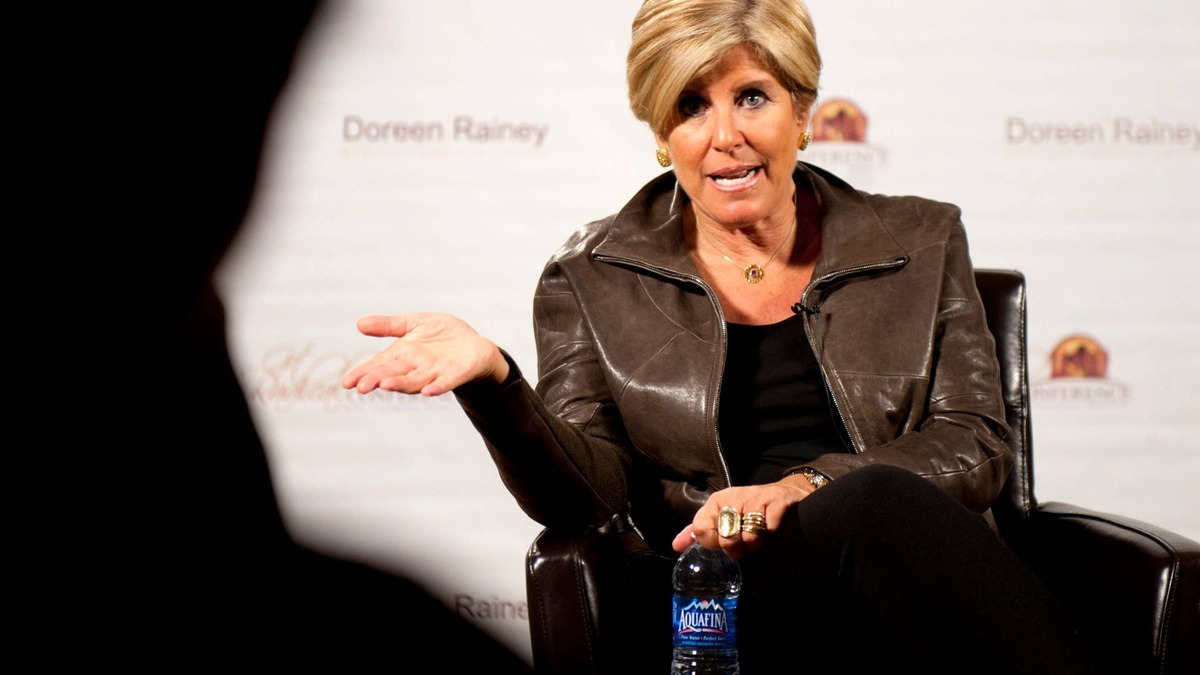
You paid into Medicare for decades, and at 65 you expect the program to cover your healthcare costs. Suze Orman, best-selling personal finance author and two-time Emmy Award-winning television host, says that expectation is where most retirees get blindsided.
Read more 2026 Lexus LC 500 Inspiration Series Convertible for Sale With 396 Miles
Fidelity Investments estimates that a 65-year-old, retiring in 2026, will spend an average of $185,500 on health care and medical expenses in retirement.
The firm’s 25th annual Retiree Health Care Cost Estimate shows a 7.5% increase in the figure from the year before; but that does not include long-term care.
About 54% of pre-retirees mistakenly believe Medicare will cover all of their health care expenses in retirement, Fidelity’s 2026 State of Retirement Planning research found.
Medicare premiums outpaced Social Security’s cost-of-living adjustment this year. The Part B increase alone absorbs nearly a third of the average retiree’s monthly raise before any other medical bills arrive.
What Original Medicare leaves out of coverage
Original Medicare carries a list of exclusions that catches many enrollees off guard. Routine dental work, vision exams for glasses, hearing aids, and long-term custodial care all fall outside the program.
Custodial care poses the steepest financial exposure on that list. Medicare Part A pays for skilled nursing facility stays only after a qualifying three-day inpatient hospital admission and only when daily skilled care is required, according to Medicare.gov.
More Medicare:
- Medicaid’s 5-year rule catches families off guard
- Medicare goes after hospital markup you’ve paid for years
- Medicare’s new $50 GLP-1 deal has a catch most overlook
Adult day health care cost a national median of about $24,700 per year in 2025, based on five days a week of use, CareScout reported in its 2025 Cost of Care Survey.
“Health care is the most unpredictable expense because Medicare doesn’t cover everything,” certified financial planner Tyler End told AARP.
How Part B premiums and cost-sharing compound the bill
Enrollees carry a large share of the services Medicare covers. Part B’s standard monthly premium reached $202.90 for 2026, up from $185 a year earlier, the Centers for Medicare and Medicaid Services (CMS) confirmed.
Part B also carries a $283 annual deductible and 20% coinsurance on most services, with no annual cap on what you owe. Part A adds a separate $1,736 deductible per benefit period for hospital stays.
Higher-income enrollees face additional exposure. Modified adjusted gross income (MAGI) above $109,000 for single filers, or $218,000 for joint filers, triggers surcharges.
Shams Talib, head of Fidelity Workplace Consulting, says the gap between expected and actual retirement health care spending has persisted for years.
Year after year, so many Americans underestimate how much they’ll need to save to cover health care costs in retirement
Read more Nepal tunnel survivor finds solace in village homecoming
Fidelity’s annual estimate rose about 4% in 2024, 5% in 2025, and 7.5% this year, Bloomberg reported. When the firm first published the benchmark in 2002, it projected a lifetime health care cost of $80,000 for retirees.
J_art / Getty Images
Orman urges Medigap enrollment and early coverage audits
Orman’s core recommendation for anyone enrolled in Original Medicare is supplemental Medigap insurance. “Anyone with Original Medicare should also have a robust Medigap policy,” Orman wrote in her blog post on 2025 Medicare costs.
Medigap policies absorb costs that Original Medicare assigns to enrollees, including coinsurance, copayments, and hospital deductibles.
You pay an additional monthly premium, but the coverage limits your exposure to bills that would otherwise come out of savings.
Under federal Medicare rules, the Medigap Open Enrollment Period is a one-time six-month window that starts the month enrollees turn 65 and sign up for Part B, during which insurers cannot deny coverage or charge more based on health status, according to Medicare.gov.
Orman argues that pre-retirees who examine Medicare’s coverage gaps now have something current enrollees cannot recover: the time to build savings and compare supplemental options before a health event narrows the choices.
“Understanding all the costs Medicare requires enrollees to cover out-of-pocket can be an eye-opener that can motivate you to save up more in your retirement accounts, calibrate your spending, or even consider post-retirement opportunities to earn some income,” Orman wrote on her personal blog.
The Medigap audit Orman says retirees need now
Orman recommends that pre-retirees understand what Medicare requires enrollees to cover out of pocket, she wrote in her blog. Part B’s 20% coinsurance carries no annual out-of-pocket cap, and the program pays nothing toward dental, vision, hearing, or custodial care.
The next step is pricing a Medigap policy that matches your own specific exposure.
Plans vary by carrier and state, so reviewing options from multiple insurers for the same plan letter protects both your rate and your access to coverage, Fidelity’s planning guidance recommends.
Fidelity’s retirement guidance identifies health savings accounts as the primary tax-advantaged vehicle for building a dedicated health care reserve before Medicare eligibility begins.
Retirement planning has to extend beyond a savings target because health care costs “consistently remain one of the largest expenses” retirees will face, Talib said in the Fidelity release.
Related: Suze Orman warns one IRA move can spike Medicare costs
The Arena Media Brands, LLC THESTREET is a registered trademark of TheStreet, Inc.
Read more Cadillac Escalade IQ Is Set to Let Drivers Look Away in 2028
This story was originally published September 13, 2026 at 7:07 AM.