 By admin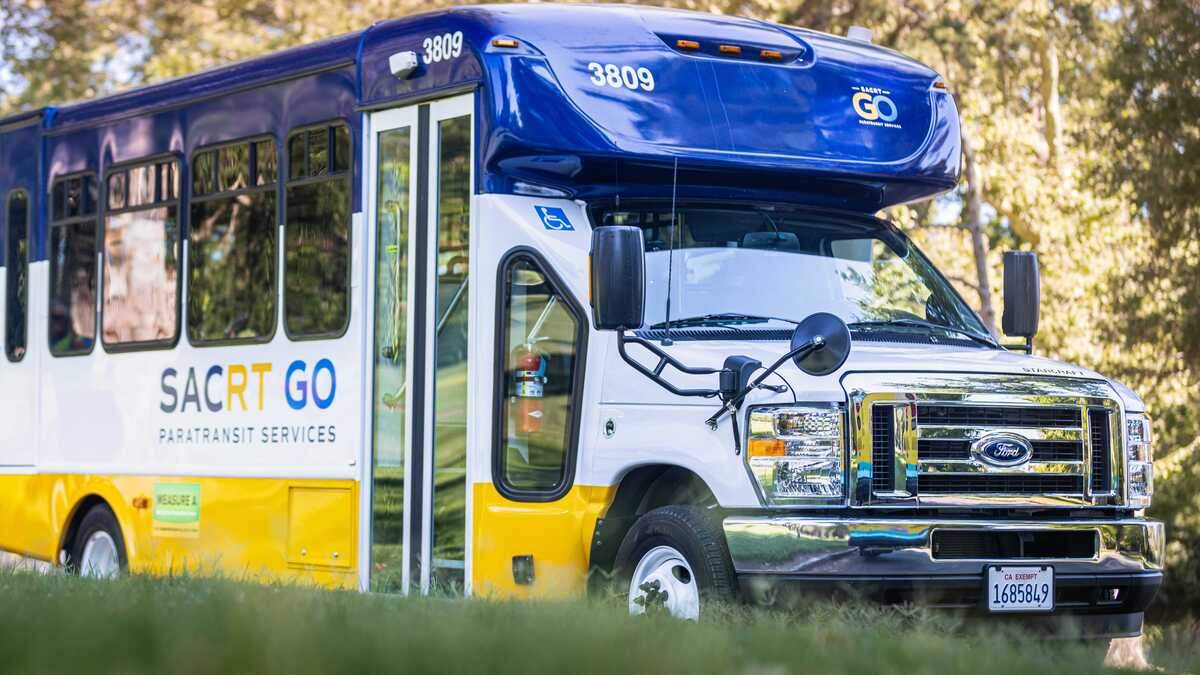
Sacramento Regional Transit will receive a $25,000 credit from a software contractor after the agency paid two invoices before the company had delivered all the required features for its paratransit system, problems later scrutinized by the Sacramento County grand jury.
Read more Sacramento-area casino seeks to fill more than 100 jobs in 2026. How to apply
On Monday, RT’s board of directors with Massachusetts-based HBSS Connect Corp. The agreement followed a dispute that began after the software company submitted two invoices before meeting contractual requirements and RT paid them.
RT’s board in late 2024 to use its QRyde software platform for SacRT GO, the agency’s paratransit service. QRyde managed scheduling, dispatch, eligibility and related functions for the RT service, which provided door-to-door rides to people who met ADA requirements and completed RT’s eligibility process.
The contract began Jan. 8, 2025, and five days later HBSS invoiced RT for the initial setup fee “prior to completion of any work,” according to an RT staff report. In April 2025, HBSS requested payment for its annual fee after providing some but not all of the promised software functionality.
HBSS submitted both invoices before it had met the contract’s requirements for payment. RT approved both payments.
The transit agency later identified the premature payments and sent an email June 11, 2025, to HBSS saying the payments had been made prematurely and notifying the software company that it had violated the contract due to “major performance failures to deliver contractually-required functionality,” according to a copy of the communication from RT. The email, in legal terms, was a “notice of default and opportunity to cure.”
At the time the email was sent, the app was not available and was still being tested and verified, the module determining service eligibility for riders had not been developed or delivered, and the QRyde system did not support the ADA requirement that allowed agencies to negotiate up to one hour before or after a rider’s desired pickup time. RT had been in “numerous” discussions with HBSS about the issues before the June email, according to the document.
Seven other issues included creating duplicate trips with RT’s drivers and UZURV, a company contracted to supplement the transit agency’s services; not sending updated trip information about the type of payment, number of passengers and driver notes to UZURV; incomplete or nonfunctioning geofencing; and not including space for riders to enter apartment numbers, gate codes or suite numbers with their addresses. These problems mostly related to system configuration, data integrity or operational controls, RT spokesperson Jessica Gonzalez said.
RT set deadlines to address the problems: 30 days for issues involving functionality that had already been deployed or was nearly completed, and 45 days for the others.
Without confirmation that all the issues had been resolved, HBSS billed RT in March for its second year of service. The two sides continued discussions with their attorneys and ultimately agreed that HBSS would provide RT a $25,000 credit toward the second-year fee. That reduced RT’s Year 2 payment to $180,625. No litigation was filed.
Read more Aftershock in Sacramento: road closures, bike detours, and what else to know
On Aug. 21, RT tested and approved the last item remaining from the June list, Gonzalez said. RT withdrew the notice of default on Sept. 4.
The app’s functionality and the premature payments were among the issues outlined in a civil grand jury report released in June into the rollout of the app and scheduling platform for SacRT GO.
The grand jury found that “even though (RT) knew the user app did not function properly, it implemented the new platform because the contract with Ecolane was expiring,” referring to the company that had provided the software for the previous SacRT GO app. The initial rollout of QRyde included the management system but not the app, meaning riders could no longer track the location of drivers and had to call customer service to ask about arrival times. That “overwhelmed” the department, according to the report. The independent watchdog body also found that RT prematurely paying HBSS “constitutes a failure of (RT) to adhere to contractual obligations.”
RT responded to the findings the day after the report was published. Regarding the new SacRT GO system and app, which eventually rolled out in May, RT said it had informed the community of the change from Ecolane to QRyde and that the implementation of the app exceeded ADA requirements.
RT also said it had identified the premature payments through its oversight process.
“SacRT manages thousands of contracts without any similar issue, and this was an isolated incident that was proactively identified and resolved internally a while ago,” a portion of the statement reads.
RT’s contract with HBSS had an initial three-year term and options for two additional years, Gonzalez said. The initial contract was scheduled to end Jan. 8, 2028.
Gonzalez said it was too early to determine whether RT would extend or end the contract when it expired.
Read more CNN is coming to Fort Worth for a town hall in this Texas race