 By admin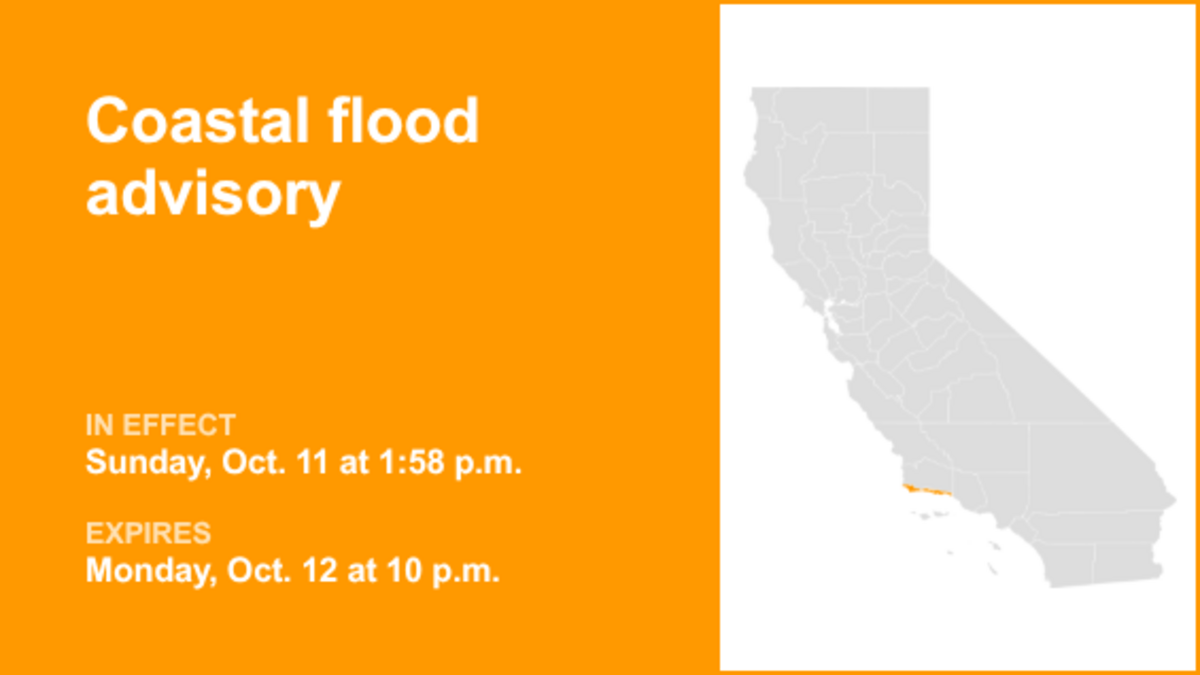
The creation of this content included the use of AI based on templates created, reviewed and edited by journalists in the newsroom. Read more on our AI policy here.
Read more The NWS issues high surf advisory until Monday night
At 1:58 p.m. on Sunday, the NWS Los Angeles/Oxnard CA issued a coastal flood advisory in effect until Monday at 10 p.m. for Santa Barbara County Southwestern Coast and Santa Barbara County Southeastern Coast.
“Minor to moderate coastal flooding can be expected near times of high tide,” adds the NWS. “High tides are expected to peak around 7.1 to 7.3 feet on Monday and Tuesday mornings.”
“Minor to moderate flooding of sea water is likely around high tide at low-lying beach and harbor areas that is uncommon with normal tidal ranges. Enhanced beach erosion is possible. The risk for significant damage is very low. There is an increased risk of ocean drowning. Rip currents can pull swimmers and surfers out to sea. Waves can wash people off beaches and rocks, and capsize small boats nearshore. Large secondary high tides are also expected each evening,” states the NWS. “Take the necessary actions to protect flood-prone property. Do NOT drive around barricades or through water of unknown depth. Remain out of the water due to hazardous swimming conditions, or stay near occupied lifeguard towers. Rock jetties can be deadly in such conditions, stay off the rocks.”
Read more Saudi, Iranian foreign ministers discuss regional tensions, state news agency says
This advisory is in effect until Monday at 10 p.m.
Recommendations from the NWS for staying safe during a flood
In case you reside within a flood-prone area or are currently camping in a low-lying zone, it is crucial to promptly seek higher ground. If told to evacuate, do so immediately. Ensure your home is securely locked when vacating the premises. If time permits, disconnect utilities and appliances. Avoid entering basements or rooms with submerged electrical outlets or cords. Should you observe sparks or hear buzzing, crackling, snapping, or popping sounds, evacuate immediately. Refrain from entering water that might carry an electric current and avoid walking through floodwaters. Remember, as little as 6 inches of moving water can knock you off your feet. If trapped by moving water, seek the highest possible point and contact emergency services by calling 911.
During heavy rain, flooding is possible, especially in low-lying and flood-prone areas. Never drive through water on the road, even if it does not appear to be deep. It takes just 12 inches of rushing water to carry away most cars, according to the NWS.
What steps to follow when driving in the rain?
- Turn on headlights – Even in daylight, using headlights can help improve visibility and let other drivers know where you are.
- While on the road – Opt for the middle lanes and remain on higher ground. Rainwater tends to gather along the road edges.
- Keep clear of puddles – Driving through puddles or low rainwater areas can cause vehicles to hydroplane or skid out of control
- Don’t tail large vehicles closely – Trucks or buses can kick up a water spray that obstructs visibility.
- Avoid flooded zones – If you encounter a flooded road, make a U-turn and go back. The powerful currents of flash floods can carry drivers off the road. Driving through deep water can also damage a vehicle’s mechanical and electrical systems.
What is hydroplaning?
Hydroplaning happens when a vehicle starts sliding uncontrollably on wet roads.
This happens when water in front of the tire builds up faster than the vehicle’s weight can push water out of the way. The water pressure then causes the vehicle to rise and slide on a thin layer of water between the tires and the road, making the driver lose control. The three main causes of hydroplaning are:
Read more Amazon in talks to buy AI startup Decart for around $7 billion, WSJ reports
- Vehicle speed – When a vehicle’s speed increases, the tire-traction grip and ability to control the vehicle decreases. Drive at a reduced speed during wet weather.
- Water depth – The deeper the water, the sooner a vehicle loses traction on the road. It doesn’t matter how deep the water is, even a thin layer can lead to hydroplaning.
- Tire tread depth – Checking your tire tread before hitting the road is important, as low or no tread can lead to sliding.
In the event of your vehicle hydroplaning, here’s what to know:
- Ease off the accelerator – Step off the gas to slow down the vehicle until the tires find traction.
- Turn into the skid – Turning into the skid can help the vehicle’s tires realign to regain control.
- Make sure the tires reconnect with the road – During the skid, wait until the tires reconnect with the road and then gently straighten the wheels to regain control.
- Brake gently as needed – Brake normally if the vehicle has anti-lock brakes and pump brakes gently if in an older vehicle.
Source: The National Weather Service
United Robots California
This story was originally published October 11, 2026 at 2:00 PM.