 By admin
It’s migration season, and you might have seen (or heard) birds passing overhead or settling down in local wetlands for the winter.
Read more Crash blocks lanes on eastbound I-80 in Placer County, CHP officials say
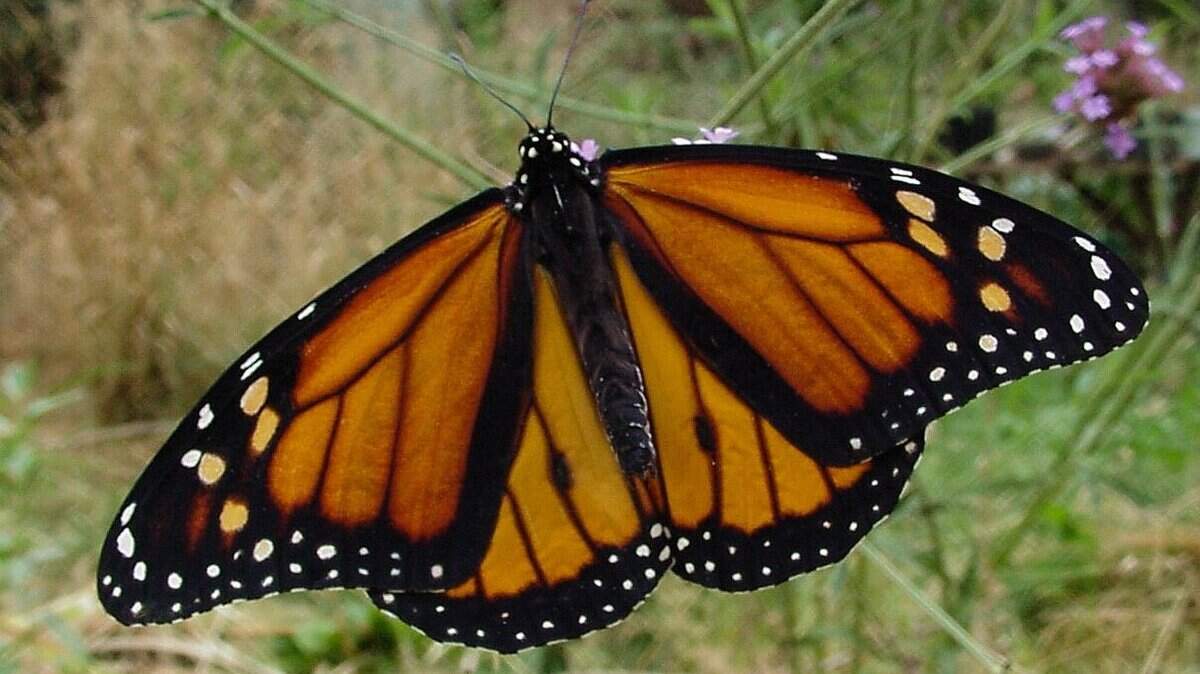
It’s not just migration time for birds, however. The western monarch butterfly is also on the move, heading toward sheltered areas along the California coast.
According to the Sacramento Valley Conservancy, the Sacramento Valley is within “the nectar corridor,” the path that monarchs follow in the fall and spring during their migration. The Central Valley is also part of the monarch butterfly’s breeding zone.
However, in the last 20 years, the western monarch butterfly population has experienced a steep decline.
Are monarch butterflies endangered?
Pesticides, habitat loss, and climate change have carved deeply into the western monarch population. Two decades ago, there were more than one million butterflies recorded in the winter count. In January 2026, the Xerces Society for Invertebrate Conservation annual winter monarch count came in at only 12,260. On average, the population is decreasing at a rate of 10% each year.
According to a U.S. Fish and Wildlife Service Report, under current conditions, “the probability of extinction for western monarchs is greater than 95%” by 2080.
Hundreds of volunteers and scientists are hard at work to reverse this severe decline. It’s shaping up to be a huge challenge, though, made harder by the fact that as of Sept. 30, 2026, the federal government officially delayed until 2030 the decision to designate monarch butterflies as threatened.
However, if you live in the Central Valley and have a green thumb, there’s something you can do to help.
How can I help western monarch butterflies in California?
According to the Xerces Society for Invertebrate Conservation, the Sacramento area and the Central Valley lie within the monarch butterfly’s early breeding zone. It’s an area that they have designated as priority No. 1 in importance to butterfly recovery.
The lack of milkweed in this vital zone is proving to be a problem. Milkweed is the only food source for monarch caterpillars, and the butterflies only lay eggs on milkweed plants.
One factor in the monarch decline is that milkweed is often uprooted as a weed, resulting in the destruction of the butterfly habitat.
Planting certain types of milkweed can help sustain the insects.
Hillary Sardiñas is the monarch conservation manager at the California Association of Resource Conservation Districts. She recommends planting narrowleaf milkweed and showy milkweed. She also noted other types of native milkweed that can be planted to help monarch butterflies.
Read more Can I take time off work to vote in California general election? See poll hours
Is it bad to plant tropical milkweed?
Tropical milkweed is a hotly debated subject in the monarch butterfly community. Since it does not die off in the winter like native varieties, an accumulated parasite in tropical milkweed can harm monarchs over their lifespan. There are also fears that tropical milkweed can lure monarchs away from their usual migration route and away from plants that are beneficial to them.
A study published by UC Davis researchers in 2025 showed that tropical milkweed is likely not contributing to monarch decline. Many experts still recommend that monarch supporters give the butterflies their best shot by planting native milkweeds and nectar plants.
When should I plant milkweed?
The best time to plant milkweed is mid to late fall. Now would be the ideal moment, said Sardiñas. “My main recommendation is to plant with the rains, so there is moisture in the ground,” she said.
While it might seem like common sense to plan for a spring planting, that’s not ideal for many native California plants, Sardiñas said. “Native plants often need time to grow their roots so they are healthy once the weather is nicer.”
Where can I get milkweed and native plants in California?
Along with milkweed, other plants can also help monarch butterflies by providing nectar as food.
As for where to purchase both milkweed and nectar-producing plants, Sardiñas recommended checking out Calscape, a website by the California Native Plant Society, for help finding local nurseries that sell native plants.
The National Wildlife Federation also has an online store dedicated to plants for monarchs.
In addition, the Xerces Society also has a website, plantsformonarchs.com, which lists helpful plants for the butterflies and where to find them.
How do I plant milkweed?
Sardiñas cautioned that milkweed doesn’t look like much at first. “One thing to note is that native milkweeds die back in the winter, so it might look like you’re planting roots and soil,” she said. “But with patience, you’ll see that they come up in the spring.”
Grace Amico is the owner of Miridae Mobile Nursery, which travels around the Sacramento area selling native plants. She also has some advice for those who seek to plant milkweed.
Echoing Sardinas, Amico agrees that fall is the best time to plant milkweed, both as seeds and seedlings. “Most native California milkweed species go dormant during the winter, so allowing them time to grow roots before dormancy is helpful,” she said.
Read more Sac State investigates student for chalking. Are protest rules chilling campus speech?
Amico also shared these tips and insights:
- It can take two to three years for milkweed plants to grow large enough to support caterpillars.
- Milkweed plants like full sun.
- Young milkweed plants will need more water than fully-grown plants.
- Since monarch caterpillars only eat milkweed leaves, it’s good to plant “at least three” milkweed plants together in a group so that they’ll have enough to eat.