 By admin
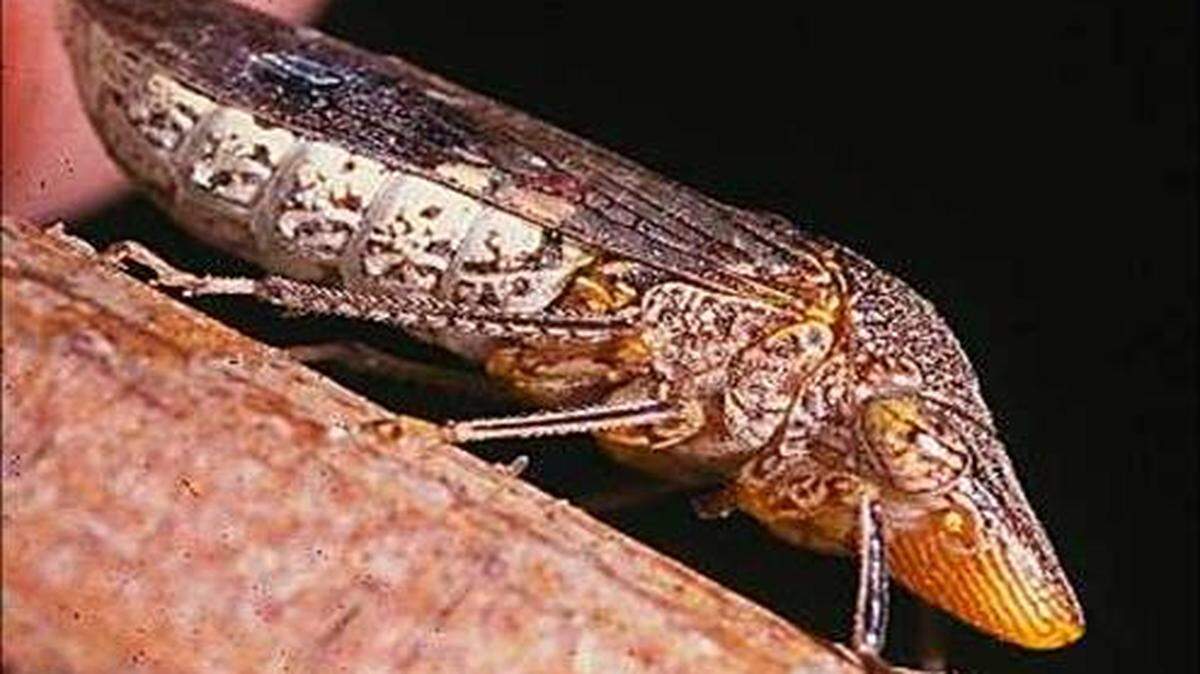
The California Legislature will conduct an oversight review of a state pest and disease control program following two incidents that led to a grapevine-killing pest spreading throughout the state after infected plants were shipped to Costco.
Read more New CalPERS health regions could reduce premium costs for 62% of members
The first shipment of infected plants to Costco came from a Fresno County nursery in May. The second shipment to Costco came from Texas in June.
AB 1861, which extended the law governing the California Department of Food and Agriculture’s Pierce’s Disease Control Program and its funding, will be the focus of the review. Assembly Speaker Robert Rivas, D-Hollister, announced the review in a Monday news release about the oversight program known as Outcomes Review, a legislative initiative launched this year to evaluate the effectiveness of state laws.
Assemblymember Dawn Addis, D-Morro Bay, who authored AB 1861 in 2024, will review the law, “evaluating efforts to protect California crops from Pierce’s disease and the glassy-winged sharpshooter,” Rivas’ office said in the news release.
Glassy-winged sharpshooters were found on grapevines and ornamental plants sold at Costco stores in dozens of counties, including Sacramento County. Thousands of plants were sold and are still unaccounted for. The destructive pests spread Pierce’s disease, which kills grapevines, and can make homes in numerous other fruits. Glassy-winged sharpshooters are not a risk to humans or animals.
Public and private spending on the pest control programs has totaled hundreds of millions of dollars since they began in 1999. State funding has trended downward, even as California’s agriculture industry has grown and pest control and prevention costs have risen, state figures show. Industry and federal funding, meanwhile, have increased.
California produces 99% of the nation’s table grapes and about 80% of its wine, according to industry groups. The state’s wine industry supports more than 422,000 jobs and generates about $73 billion in annual economic activity, according to CDFA.
AB 1861 is one of at least 19 bills that will be reviewed in 2027, the news release said.
CDFA did not immediately respond to a request for comment.
Many growers, winemakers and industry representatives have expressed frustration for months with how the state has handled the recent glassy-winged sharpshooter incidents.
Read more Trump and Newsom clash over California death penalty and presidential pardons
The agriculture industry asked the Legislature for new funding in the 2026 budget to mitigate the spread of the pests and did not receive the funds it requested. Instead, the Legislature directed the state agriculture department to provide $10 million to county agricultural commissioners from the agency’s existing emergency funds. The dollars can be used for investigations, emergency detection and eradication of the glassy-winged sharpshooter.
California received an additional $4 million from the U.S. Department of Agriculture in September to fight the grapevine-killing pests.
Agricultural commissioners welcome the program review.
Linda Pinfold, Stanislaus County’s agricultural commissioner, has not only been managing the fallout from this summer’s pest incidents, but also a glassy-winged sharpshooter infestation in Turlock since before the Costco shipments. When she heard the news that the Legislature would evaluate the Pierce’s Disease Control Program, she said she was hopeful. She wants more funding for the program.
“Anything that can happen to help support the efforts to detect and contain and hopefully eradicate new infestations is, in my mind, a good thing,” Pinfold said.
Lindsey Carter, executive director of the California Agricultural Commissioners and Sealers Association, welcomes the legislative review, calling it “timely” given that her organization may be requesting more pest prevention dollars in next year’s budget cycle. Her association released a report this year that highlighted the significant underfunding of the state pest prevention system and said that California is falling behind growing pest pressures.
“We are definitely advocates for an in-depth look at the program and feedback on the program,” Carter said. “What is working? What is not working and how do we make it better, not only for the state but the counties and growers?”
Wine industry representatives also applauded the additional oversight.
Lise Asimont, vice president of Family Winemakers of California, called Pierce’s disease an “existential threat” to vineyards, especially small growers who she said could lose their business from a glassy-winged sharpshooter infestation.
“We hope for the wine industry at large for faster detection, better shipment inspections and, in addition to that, a state-funded commitment that matches what growers are already contributing,” Asimont said.
Read more Sacramento development, I-80 bridge closure and a housing lawsuit. What to know
This story was originally published November 23, 2026 at 12:33 PM.