 By admin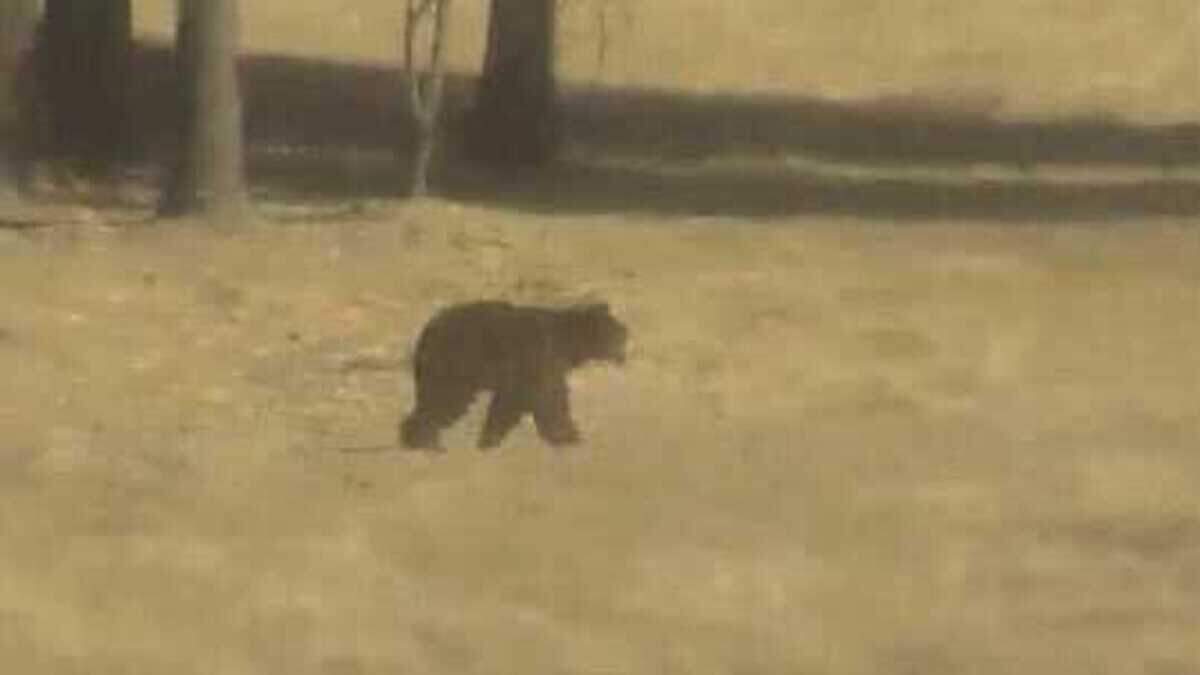
A string of bear sightings swept through Placer County communities in early August, with authorities tracking one large bear that appeared to move north through several cities. A separate family of bears was later spotted in Auburn, prompting reminders to residents about living in bear country.
Read more Former Wells Fargo VP in Charlotte sues bank, claims age and LGBTQ discrimination
Here are key takeaways:
- A bear was spotted in Roseville on Aug. 5 near Foothills Boulevard between Pleasant Grove and Blue Oaks boulevards, about 3 miles from a sighting the previous day in Rocklin, and officers searched the area alongside the California Department of Fish and Wildlife.
- Rocklin police first advised residents Aug. 4 to use caution after a bear was seen near Argonaut Drive, Sweetwater Drive and Aiken Dairy Road, and was last reported on Skyline Drive.
- By Friday, Aug. 7, a bear estimated at about 300 pounds and 6 feet tall on its hind legs turned up in Lincoln’s Sun City neighborhood near Wagon Wheel Lane and Overland Lane, roughly 10 miles north of the Roseville sighting.
- Lincoln police spokesperson Lt. Zach Eaton said officers weren’t certain it was the same animal, though its travel pattern suggested it could be, and the bear was last seen following waterways along Auburn Ravine before wandering toward rural Lincoln with no aggressive behavior reported.
- A separate sighting involved a mother bear and her two cubs near Lincoln Way and Russell Road in Auburn, and police said the Auburn bears were not the same animals involved in the earlier Placer County sightings.
- California’s black bear population has remained stable over the past decade and is estimated at 49,000 to 71,000 animals, with about 40% living in the Sierra Nevada and its foothills, according to the Department of Fish and Wildlife.
- Rocklin police noted that while bear sightings there are relatively uncommon, wildlife can wander into residential areas searching for food and water, and pet owners should keep pets leashed and supervised outdoors.
- Residents who encounter a bear should not approach it and should give it space to move through the area safely, and anyone facing a bear behaving aggressively or posing an immediate threat should call 911.
What to do if you see a bear
Bear attacks in the U.S. are rare, according to the National Park Service. In most attacks, bears are trying to defend their food, cubs or space.
There are steps people can take to help prevent a bear encounter from becoming a bear attack.
Read more Legal team for Nolan Wells’ family accuses DA of not operating in good faith
- Identify yourself: Talk calmly and slowly wave your arms. This can help the bear realize you’re a human and nonthreatening.
- Stay calm: Bears usually don’t want to attack; they want to be left alone. Talk slowly and with a low voice to the bear.
- Don’t scream: Screaming could trigger an attack.
- Pick up small children: Don’t let kids run away from the bear. It could think they’re small prey.
- Hike in groups: A group is noisier and smellier, the National Park Service said. Bears like to keep their distance from groups of people.
- Make yourself look big: Move to higher ground and stand tall. Don’t make any sudden movements.
- Don’t drop your bag: A bag on your back can keep a bear from accessing food, and it can provide protection.
- Walk away slowly: Move sideways so you appear less threatening to the bear. This also lets you keep an eye out.
- Again, don’t run: Bears will chase you, just like a dog would.
- Don’t climb trees: Grizzlies and black bears can also climb.
The summary points above were compiled with the help of AI tools and edited by journalists. The source reporting referenced above was written and edited entirely by journalists.
Read more What was halted by key legislative hurdle? Immigration, rooster limitations stalled