 By admin
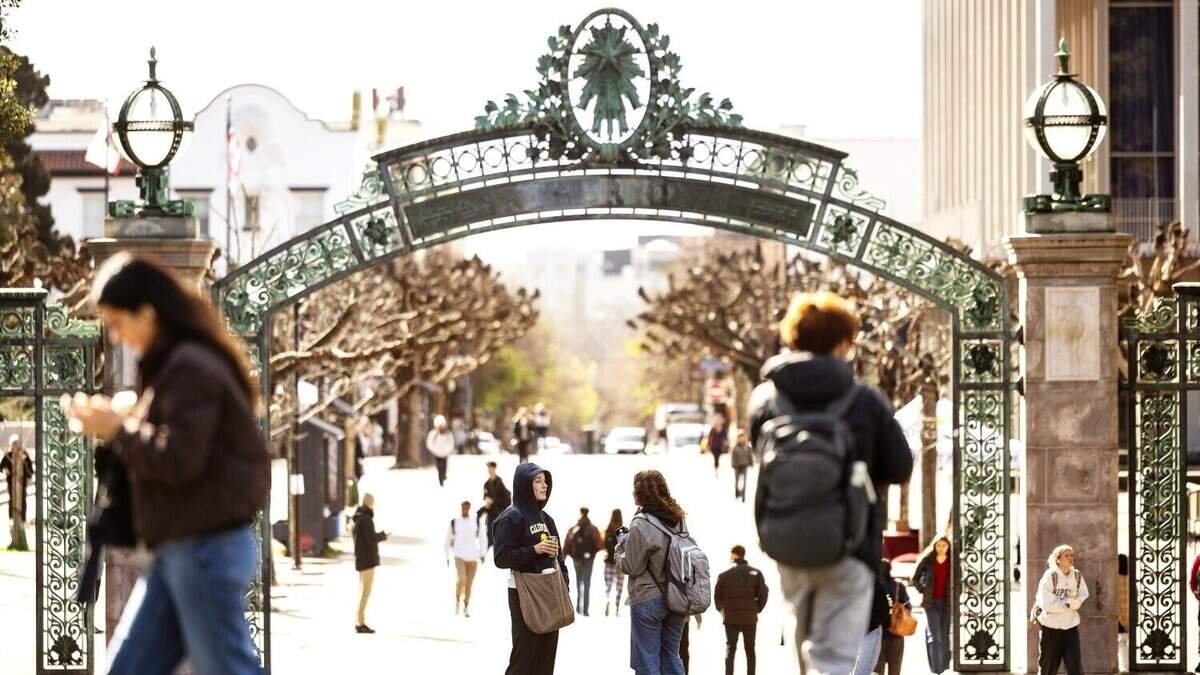
California’s universities and community colleges saw a flurry of major developments this week, from a systemwide AI deal at UC to a bid to host a new federal space academy. Here’s a quick look at the stories shaping higher education across the state.
Read more Why did Alexandra Macedo lose her California Assembly seat? Election debate ensues
Here is what happened last week:
- The University of California agreed to pay $1.2 million to OpenAI for ChatGPT Edu access across all 10 campuses, covering 300,000 students and 265,000 workers starting Dec. 1. Academic Senate Chair Susannah Scott objected that faculty were excluded from meaningful consultation. UC officials said the data will be protected and cannot be resold or retained by OpenAI.
- Escalating their fight for higher pay and stronger academic freedom protections, professors at the California State University have authorized their union to call a strike if necessary. If the union and university are unable to reach an agreement, the earliest the CFA could call a strike is in January.
- California announced Thursday it is bidding to host the new U.S. Space Academy at the Presidio of San Francisco, with the University of California as its principal academic partner. The state is one of 25 that submitted proposals after President Trump’s August executive order, and if selected, aims to launch an inaugural class in fall 2028 and reach 1,200 students by 2031.
- Dozens of UC students rallied outside Tuesday’s Board of Regents meeting to oppose reinstating the SAT and ACT in admissions, arguing the tests deepen racial and socioeconomic inequality. Regents heard dueling research from Brown’s John Friedman, who found test scores predict first-year grades better than high school GPA, and UC Berkeley’s Jesse Rothstein, who said that advantage comes at a direct cost to access. A decision is expected by June.
- California community college enrollment hit 2,286,128 students in 2026-2027, the highest in a decade and up 2% from last year. Dual enrollment of high schoolers has grown from 200,000 in 2020 to more than 360,000, and the system exceeded its annual completion goal with over 180,000 degrees and certificates awarded in 2025.
This report was produced with the assistance of a proprietary tool powered by artificial intelligence based on our own originally reported, written and published content. Before publishing, journalists reviewed this content in compliance with McClatchy Media’s AI policy.
Read more ‘Route 66’: How California Democrats grew their legislative supermajority
This story was originally published November 22, 2026 at 3:30 PM.