 By admin
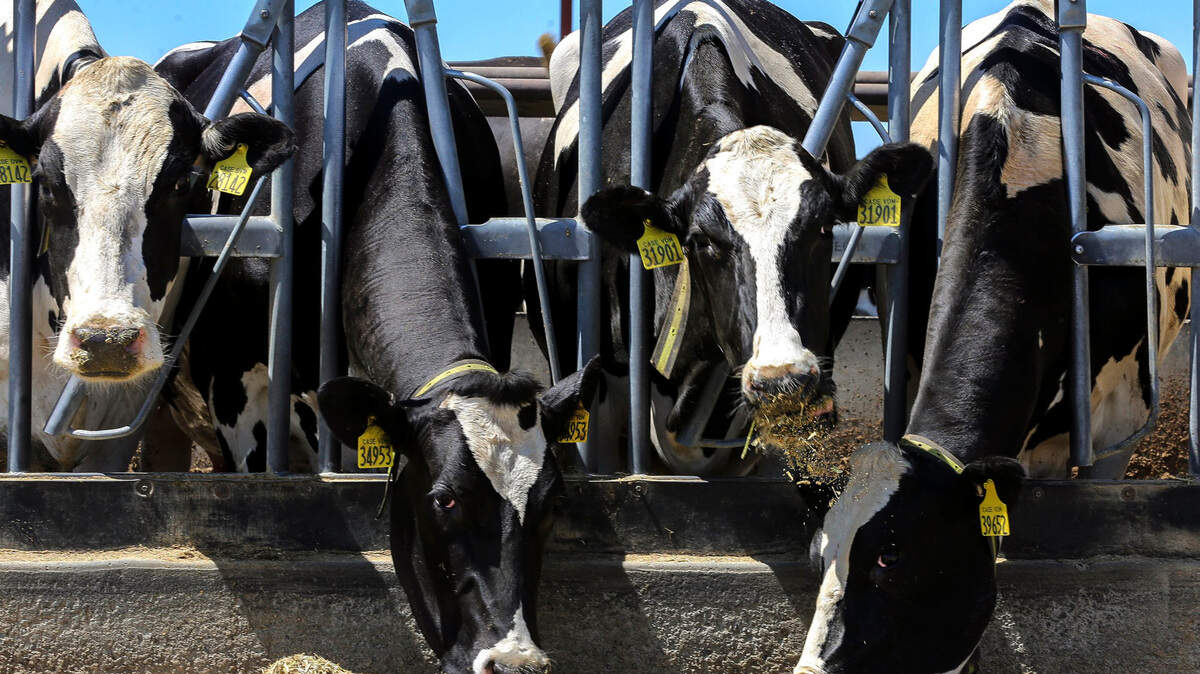
Highly pathogenic avian influenza, or bird flu, has been detected for the first time in Benton County, Washington, in a dairy herd, the state Department of Agriculture said Monday.
Read more 17 data center projects proposed on Western public land. New pitch is in Idaho
The finding is a little more than two weeks after the first infected cattle in Washington state were confirmed in neighboring Yakima County. Now eight dairy farms in that county have cows that are believed to be infected.
“Seeing the virus move to another county is disappointing, but our dairy farmers are working hard to implement their biosecurity plans, share lessons learned and help each other get through this,” said Washington state Veterinarian Amber Itle.
The identity of the dairy with the infected cows in Benton County has not been made public.
The virus was detected through routine surveillance before cows got sick, Itle said.
The Benton County herd is under quarantine and veterinarians are working to treat cows that now are sick.
The spread of avian influenza in cattle in Eastern Washington is a reminder not to eat or drink unpasteurized dairy products, whether from cows, goats or sheep.
Infected cows can shed the virus in their milk, making raw milk and cheese unsafe to consume, said the state Department of Agriculture.
It also warned people not to let their pets consume raw dairy products, raw meat or dead birds. Cats are particularly susceptible to avian influenza.
Pasteurization inactivates the viruses and bacteria in milk, and Washington’s pasteurized milk remains safe for consumers, said the state Department of Agriculture. No milk shortages are expected.
Bird flu sickens WA person
The infected herd in Yakima County resulted in one person ill with avian influenza, but the risk of illness to the general public is low, said the Benton Franklin Health District.
Read more Lawsuit photos show California officer smiling over a handcuffed woman, 66, who later died
Avian influenza can spread between dairy cattle through infected animals and contaminated milk, equipment, vehicles, clothing, footwear and other material or people that move between farms.
Wild birds can also carry avian influenza, but they are not considered the primary source of spread of the virus that affects dairy herds, according to the state Department of Agriculture.
Poultry are also highly susceptible to avian influenza, and other states have reported infections in commercial and backyard poultry flocks near dairy farms that have outbreaks with infected cattle.
Poultry owners, including those who keep backyard flocks, should remain vigilant for signs of illness and practice preventive measures to help reduce the risk of infection, including through contact between their flock and infected wild birds or their droppings.
People who work with or have other contact with potentially infected animals, such as hunters, are at increased risk of avian influenza and should take precautions, according to state officials.
That could include wearing gloves, masks, eye protection and fluid-resistant coveralls or other outerwear.
Avian Influenza has previously infected commercial poultry flocks in Franklin County, with outbreaks in 2022, 2024, and 2025. Human infections linked to poultry exposure were confirmed in the county in October 2024.
Livestock owners who suspect avian influenza in their cattle should separate sick animals from healthy ones and contact the state Department of Agriculture at 360-902-1878 or by emailing [email protected].
People with backyard chickens and ducks that contract avian influenza should report it to the Department of Agriculture’s Sick Bird Hotline at 800-606-3056.
This story was originally published October 27, 2026 at 4:38 AM with the headline “Bird flu confirmed in Washington dairy cows 2 weeks ago. Now it’s in a second county.”
Read more Man, 82, allegedly attacked and robbed of his car during a test drive in Washington