 By admin
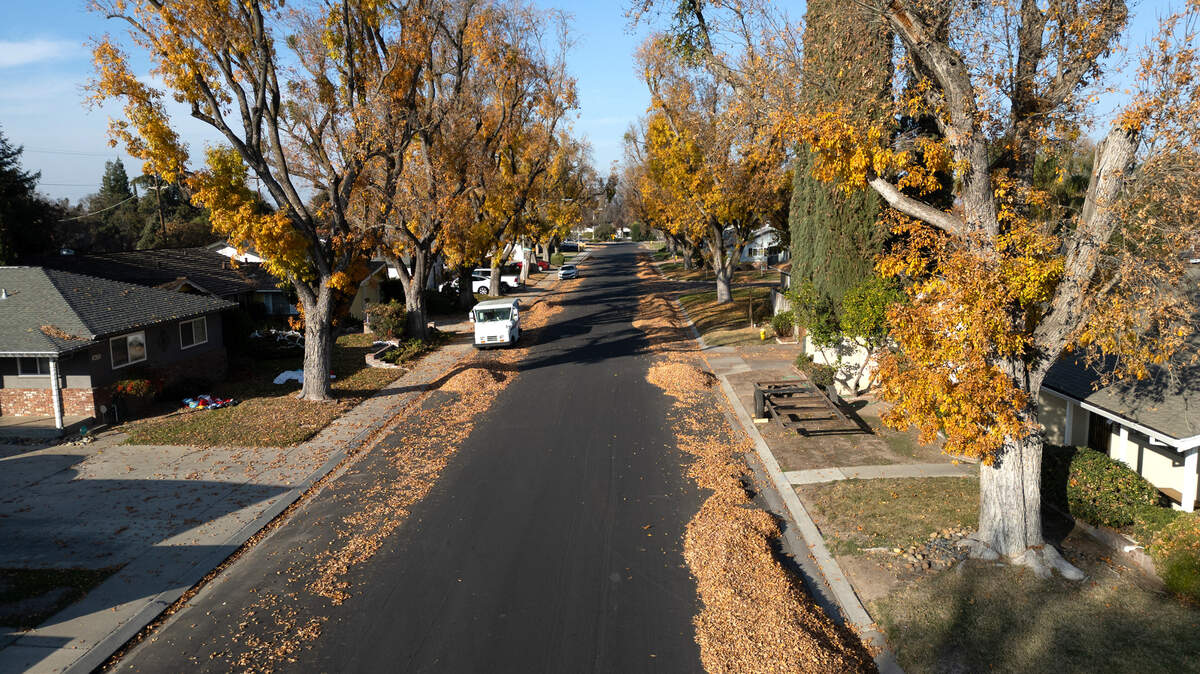
As the seasons change, issues can arise from trees on your property — including your neighbor’s.
Read more Three California state worker unions stood together at SEIU Local 1000 strike
In summer, fruit might hang over a fence.
In fall, leaves from a neighboring tree can blanket your yard, and overgrown branches or falling limbs can lead to disputes between property owners.
Before taking matters into your own hands, it’s important to understand California’s laws on tree ownership, trimming branches and responsibility for fallen debris.
Several readers asked The Sacramento Bee for help navigating their neighbors’ trees, from fallen fruit to trimming branches that cross property lines.
We researched the answers to their questions:
BEHIND THE STORY
MORE
Why we did this story
Our community-driven series — How to California — is here to answer your questions about state laws, history, culture, recreation and travel in the Golden State.
McClatchy’s service journalism team, focused on helping our readers navigate daily life, works in communities across the state, including San Luis Obispo, Fresno, Merced, Modesto and Sacramento.
Ask us your questions — big and small — by emailing [email protected] or filling out a form here.
Q: Who owns a tree on a shared California property line?
A reader asked The Bee about a tree growing along a property line.
“For years, we watered the tree and enjoyed the fruit that was on our side of the property line,” the reader wrote. “A new owner now comes onto our property and picks all the fruit. Is there anything we can do about this?”
Under California’s Civil Code, a tree’s ownership generally depends on where its trunk grows.
If the trunk is entirely on one person’s property, that person owns the tree, even if its branches or roots extend onto a neighbor’s land.
If the trunk stands on the boundary between two properties, the tree is generally considered jointly owned by the neighboring property owners.
This means neither owner can remove nor destroy a jointly owned tree without the other owner’s consent.
Property owners also should not enter a neighbor’s land without permission.
California’s Penal Code addresses various forms of trespassing, including issues related to trees.
Q: Can I throw my neighbor’s fallen fruit back over the fence?
After reading about picking fruit from a neighbor’s tree, another reader asked: “Who is responsible for the neighbor’s fruit that lands in your yard? Can it be dumped back over the fence legally?”
Fruit that falls naturally onto your property generally becomes yours to deal with.
However, throwing it back over the fence could create another dispute, particularly if doing so amounts to dumping debris on your neighbor’s property.
A real estate attorney previously told The Bee that property owners might have legal options when a neighbor’s tree causes property damage or when a diseased or damaged tree is left unaddressed.
However, a property owner doesn’t have grounds to seek compensation if the fallen fruit does not cause any damage.
Q: Can I trim my neighbor’s tree if its branches cross my property line?
A reader contacted The Bee about a neighbor’s tall trees growing along a fence.
“My neighbor has very tall multiple Christmas trees (20 to 30 feet) and not chopping them at all on the boundary next to fence,” the reader wrote. “They are much taller to their house and our house.”
In general, California property owners can trim branches and roots that encroach onto their land.
However, there are some restrictions.
You must stay on your own property unless you have permission to enter your neighbor’s land, according to California’s Code of Civil Procedure.
Read more Have your election questions answered by The Bee, from the comfort of your own home
Trimming should be done carefully and should not unnecessarily damage or kill the tree. If your actions harm the tree, you could be held liable for the damage.
If the tree’s trunk is in the middle of a shared property line, it is generally jointly owned. You should not remove or destroy the tree without the other owner’s consent.
When a tree is particularly large or the proposed trimming could threaten its health or stability, consulting an arborist or attorney could help, The Bee previously reported.
Q: What can I do if my neighbor’s tree creates a hazard?
A neighbor’s overgrown branches or roots can become more than a nuisance if they damage your home, fence, driveway or other property.
Under California law, encroaching roots or branches that cause damage can give a property owner grounds to pursue a nuisance claim or seek compensation, depending on the circumstances.
However, you cannot cut down your neighbor’s tree simply because it is inconvenient.
You can trim portions that extend onto your property, but you must avoid crossing the property line or unnecessarily damaging the tree.
If a tree appears diseased, unstable or at risk of falling, consider documenting the problem and notifying the owner in writing.
Legal responsibility depends on the facts of the situation, including whether the tree owner knew or should have known about a hazard and failed to address it.
Q: Does my neighbor have to clean up leaves and branches that fall in my yard?
Another reader asked The Bee who is responsible for picking up fallen leaves and other tree debris.
Your neighbor generally is not required to clean up ordinary leaves or fruit that fall naturally into your yard.
Responsibility for fallen branches depends on whether they caused damage and whether the tree owner was negligent.
“If a branch comes off and it just lands in the grass on your yard and really doesn’t do any damage … you’re not going to really have an action,” real estate attorney Robert J. Enos of BPE Law Group previously told The Bee.
If a branch damages your property, the tree owner could be responsible if negligence can be established, Enos said. However, a neighbor generally is not liable for every fallen branch or leaf, particularly when it falls because of an unforeseeable event, such as wind or a severe storm.
California residents doing routine yard cleanup can place leaves and branches in their curbside organic waste containers, which are often green bins, according to the California Department of Resources, Recycling and Recovery.
Residents can also take yard waste to a local composting facility or follow their city’s yard waste collection guidelines.
Some communities have specific rules for bagging, bundling or cutting yard debris to size, so check with your local waste hauler before putting it out for collection.
Have a question about life in California?
How to California— a guide to help you live, work and enjoy life in the Golden State, is here to help.
We’ll answer your questions — big and small — about state laws, history, culture, recreation and travel.
Ask your questions in the form below (can’t see it? Click here) or email [email protected].
Read more Two Sacramento chefs unite their heritages for live-fire barbecue dinner series