 By admin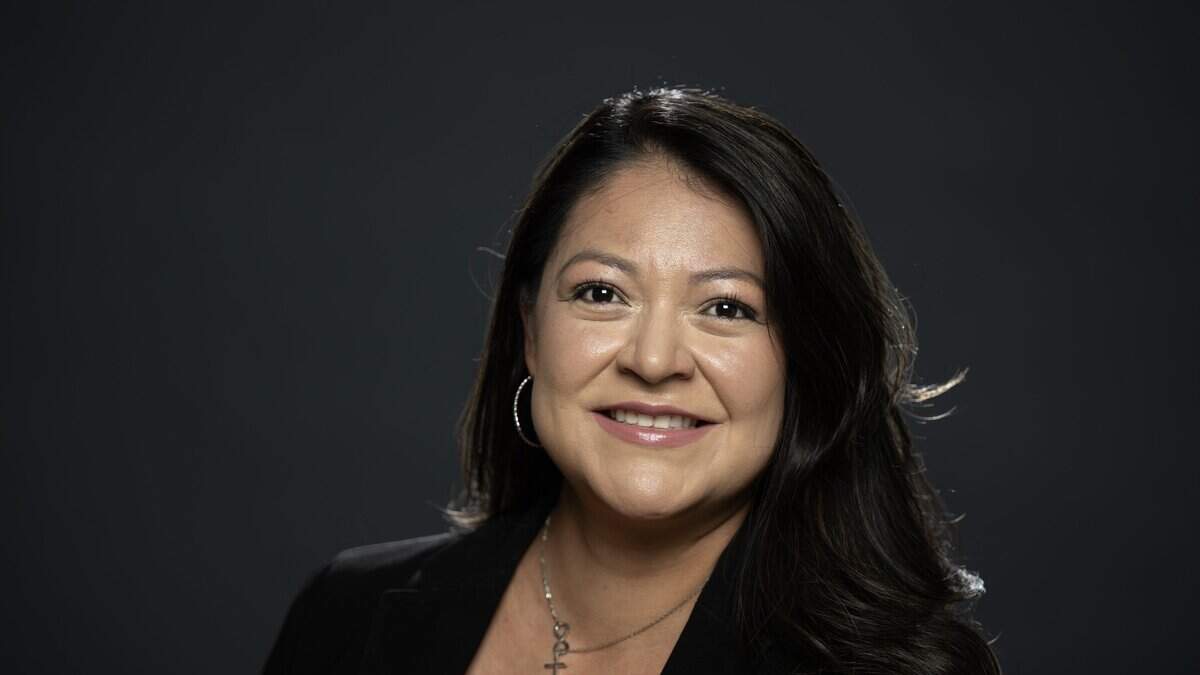
The Sacramento Bee and Nehemiah Leaders Programs are celebrating this year’s 60 Change Makers. Join them at our gala at 5:30 p.m. on Tuesday, Oct. 13 at the Grand Sheraton in downtown Sacramento. Buy tickets at sacramentochangemakers.com.
Read more Legislature passes bill mandating state investigations of ICE shootings
Elizabeth Esquivel was instilled with a sense of public service early on by her mother, who advocated for a measure to fund sidewalk construction in their hometown of Waterford, outside of Modesto.
“She always told me, and ingrained in me: ‘We may not have money to donate, but we have our time,’” Esquivel said.
Esquivel studied social welfare with minors in education and Chicano studies at UC Berkeley, and later came to Sacramento through a legislative fellowship. After stints in the state Senate and Assembly, Esquivel took a position with the California Association of School Business Officials.
Esquivel liked the practicality of the work. It was important, she said, to ensure there was long-term funding for key programs — and to oppose policies that, while appealing, lacked financial footing. She advocated for a $50 million package for court and community schools, and a $1.2 billion package for universal meals in schools.
“While we hear good policy, if there isn’t a funding mechanism for it, it’s not going to work as intended,” she said.
Read more Roseville Telephone Museum permanently closes. What happens to its historic collection?
Esquivel has worked on local campaigns in West Sacramento, and served on city boards: planning, parks and recreation, and the West Sacramento Rotary Club. She served on the Yolo County Health Council, and campaigned for a school bond measure, and for city councilmembers Verna Sulpizio Hull and Dawnté Early.
In her day job, Esquivel now serves as vice president of government relations for the California Manufacturers & Technology Association, another position influenced, in part, by her mother, who worked at a Tri Valley Growers cannery that has since closed.
“That was a devastating economic loss for those families who worked there,” Esquivel said.
The association represents 45,000 manufacturing companies, who collectively employ 1.2 million people who build, process and package the world’s cars, drugs, airplanes, food and computers.
“I really do see a need and a desire to advocate for businesses to stay and remain in California,” Esquivel said. “Because of the opportunities that it provides.”
Read more California dairy hit by new Canadian tariffs, wine industry continues to feel pinch