 By admin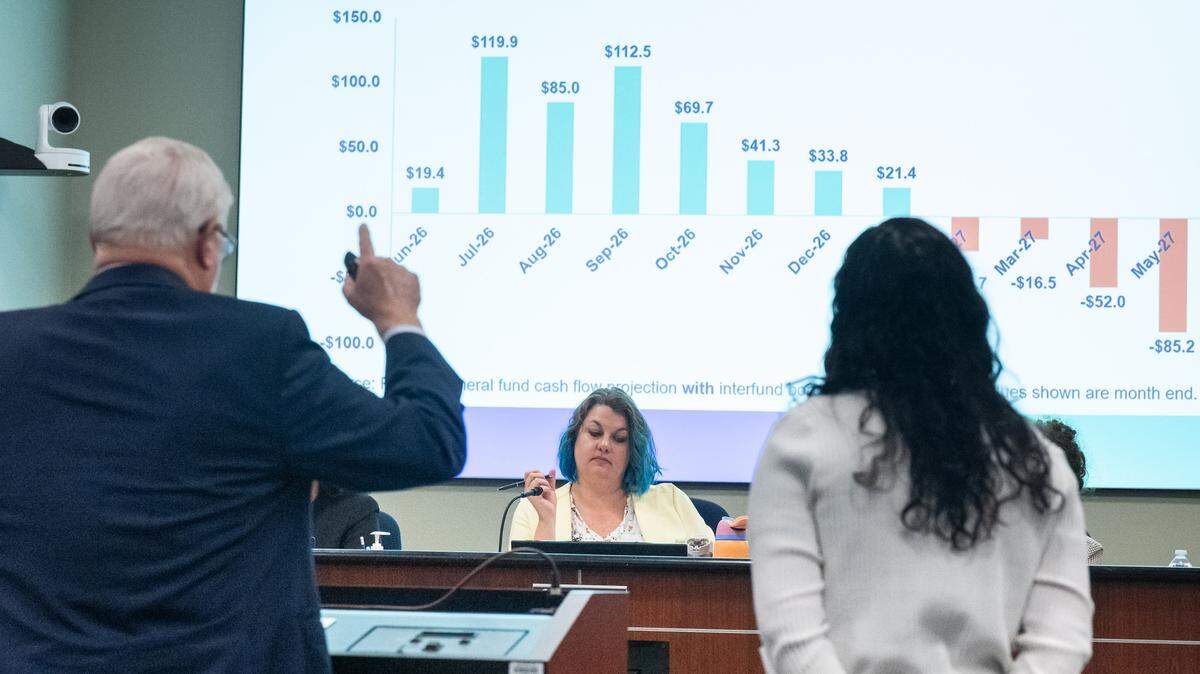
Gov. Gavin Newsom’s revised budget could provide Sacramento City Unified with roughly $29 million in ongoing new funding, though it remains uncertain how much the money will alleviate pressure from the district’s unprecedented budget crisis.
Read more How the CARE Act is helping vulnerable Californians | Opinion
The estimate includes about $15 million from an increase to the Local Control Funding Formula and up to $14 million from a proposed increase in special education funding, with roughly $36 million in one-time or restored funding available separately.
The LCFF figure of $15 million reflects the district’s preliminary calculation, while the remaining estimates are still uncertain and will depend on SCUSD’s enrollment, average daily attendance and the final state budget.
Newsom is “under-appropriating the expenditures,” Leilani Aguinaldo, senior director of School Services of California, said during her presentation, referring to $3.9 billion in Proposition 98 funding that the governor has proposed to withhold from the budget.
District officials are expected to share more detailed estimates during the third interim presentation on June 4.
Board trustee Jasjit Singh criticized the state’s handling of school funding, pointing to both the $3.9 billion Prop. 98 under-appropriation and the roughly $4.6 billion expected to go into the state’s rainy day fund rather than directly to districts. Budget decisions are not being made with students and workers in mind, he said.
It was “really hard to hear in a victory speech from our governor” that billions of dollars may be available on paper but not immediately accessible to districts scrambling to support students and staff,” Singh said.
“We’re being put in the hot seat to make tough decisions, when in reality we’re woefully underfunded, and we’re having to budget out year after year.”
New funding, familiar constraints
Thursday’s meeting carried a note of optimism over Newsom’s revised budget, but it was repeatedly followed by caveats.
Board President Tara Jeane said the proposed 46% increase in special education funding was good news, but still not enough to cover SCUSD’s costs. Even with the increase, Jeane said, the district would still have to rely heavily on unrestricted dollars to cover the program’s expenses.
She also cautioned that about $36 million in one-time funding should not be seen as a way to reverse cuts, but a way for the district to relieve pressure on its unrestricted funds to remain solvent.
Read more Rat feces, cockroaches: What inspectors found at these Sacramento area restaurants
The sentiment was shared by interim chief business and operations officer Lisa Grant-Dawson, as she noted the increases proposed in the revised state budget would largely allow the district to sustain existing services rather than expand programs.
“Right now I want to keep this district solvent. So it’s not about bringing things back, it’s about freeing up unrestricted monies,” Jeane said.
“I look forward to hearing staff’s creativity in looking at how to best maximize the use of these dollars to ensure that our budget is looking stronger and stronger as we go through our challenging stuff.”
The board voted Thursday to issue final layoff notices to nearly 100 employees who had challenged the cuts and requested hearings.
Fiscal plan still shows deep gap
Thursday’s meeting also included an updated fiscal solvency plan, which showed SCUSD has identified more than $96 million in savings for 2025-26 as of May 21, bringing its remaining unrestricted deficit to about $75 million. It has exceeded the district’s initial $67.7 million target, Grant-Dawson noted.
The outlook for 2026-27 remains severe, however. Even after the identified savings, the district’s plan showed SCUSD is still projected to spend far more than it brings in next year, with the forecasted gap remaining over $203 million.
Grant-Dawson said the district expects a clearer picture to be shared after officials account for other expenses before the fiscal year closes.
“What can you expect when you see the third interim again? Because we are now slowing down spending, we have encumbrances,” Grant-Dawson said.
“Many of the purchase orders have been closed for items that we won’t see — that means there’s less spending.”
Read more K Street cantina tied to Chando’s brand appears shuttered over unpaid rent
This story was originally published May 22, 2026 at 7:00 AM.