 By admin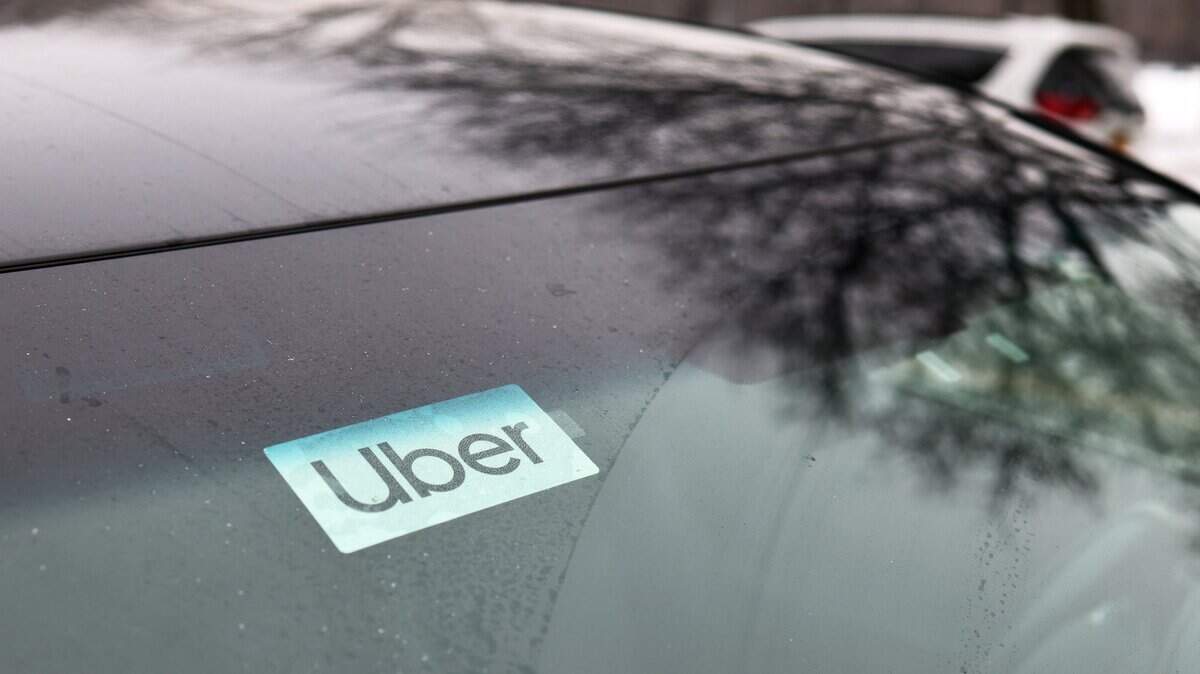
Two competing ballot measures have both qualified for the November ballot, according to the Secretary of State’s Office. One is backed by ride-hailing company Uber, and one backed by its longtime foe, the Consumer Attorneys of California.
Read more The billion-dollar tax question for candidate Newsom: Where does he stand? | Opinion
It’s one of the most expensive ballot fights this election cycle. And it has been made more complicated by an amendment to federal legislation made by a California lawmaker.
The first measure, proposed by Uber, would place a 25% cap on the fees attorneys can collect in car crash cases and increases the burden of proof for paying out certain medical costs.
Legal experts warned this measure could have far-reaching consequences beyond just the “billboard attorneys” that Uber’s messaging seeks to target. It could remove the financial incentive for attorneys to take up case when they aren’t paid up front. Healthcare providers have also sounded the alarm on the caps to medical fees in car crash cases. An analysis by the Attorney General’s Office found if fewer accident-related doctors’ bills get paid through lawsuits, Medi-Cal would pick up the tab — into the tens of millions.
The second measure will ask voters to make ride-hailing companies liable for sexual misconduct during rides. It’s backed by the Alliance Against Corporate Abuse, a PAC the Consumer Attorneys of California created to fight Uber.
The trial attorneys and their allies say Uber’s inaction on sexual assault and harassment during rides proves the company would rather spend millions to change the legal system for all Californians over accepting liability for its drivers.
Read more Legislature keeps ‘hand grenade’ corporate tax proposal alive for next governor
The measure has been made more complicated by an amendment to a key federal funding bill for highways and public transit infrastructure. U.S. Rep. Vince Fong, R-Bakersfield, added language to the measure in May to excuse companies from liability for damages to people or property by their drivers, except in cases in which the company is grossly negligent or guilty of criminal wrongdoing.
Fong described it as an affordability measure, saying frivolous lawsuits are driving up fares for riders.
“These companies are being increasingly targeted by lawsuits seeking massive payouts even when the company itself is not alleged to have done anything wrong,” Fong said. “Even meritless lawsuits are extraordinarily expensive to defend.”
The transportation funding bill has yet to pass the U.S. House. Opponents hope to persuade lawmakers to strip Fong’s amendment out of the legislation. But they say the rules governing floor debate on such funding bills are restrictive.
Read more California billionaire tax qualifies for ballot, setting stage for expensive fight
Qualified ballot measures can be withdrawn before June 25.