 By admin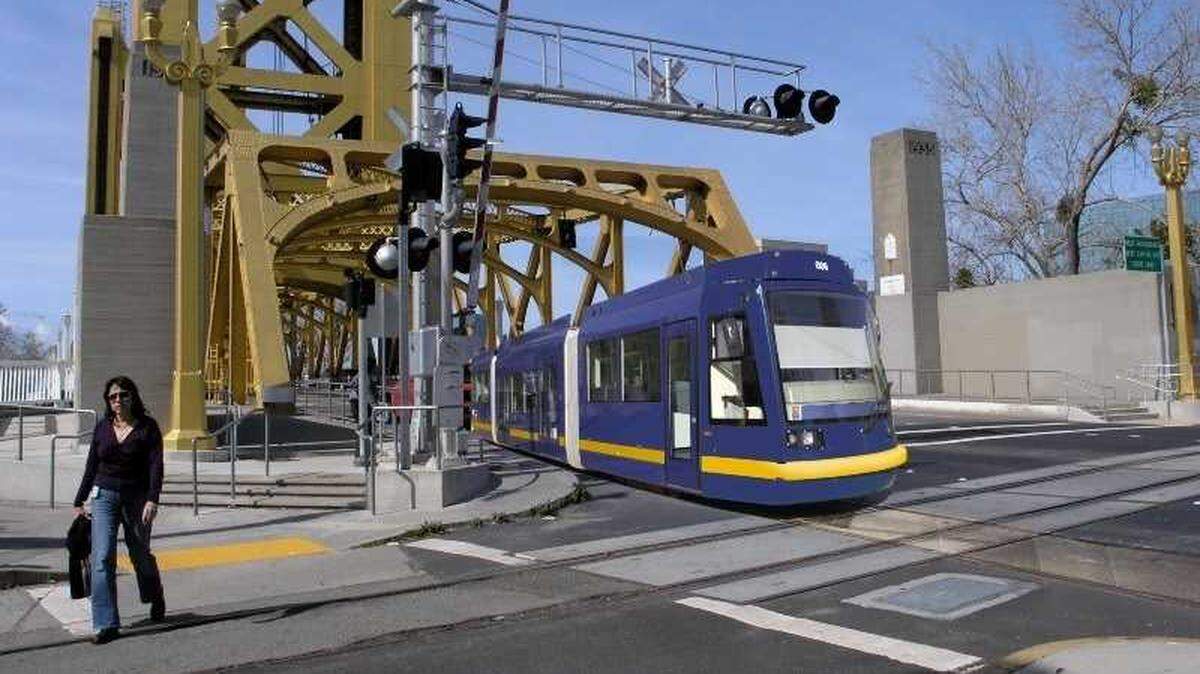
The timeline for constructing a long-planned streetcar system connecting West Sacramento and Sacramento is once again in limbo as rising construction costs force officials to reconsider how — and potentially when — the project can move forward.
Read more A museum visit moves Alex Padilla, and sheds light on him skipping the governor’s race | Opinion
West Sacramento and Sacramento Regional Transit did not say the Downtown Riverfront Streetcar project is dead, but a joint statement released Wednesday made clear that its current path was no longer certain. Officials said sharply rising infrastructure costs are prompting them to search for a “financially sustainable path forward” for the cross-river transit connection.
The project aims to link the two cities over the Sacramento River by adding light rail tracks on Tower Bridge. A similar set of tracks had previously been in place, but were removed from the lift bridge’s roadway in the 1960s.
A joint statement from West Sacramento and RT said the cost for major transportation projects has significantly increased since the Downtown Riverfront Streetcar project was first developed in 2014. The price of steel alone has increased 30% over the last year.
However, the project “continues to be an important part of the region’s long-term vision for a more connected, sustainable, and economically vibrant future.”
“Cost growth presents an opportunity for the city of West Sacramento and SacRT to work together to evaluate and identify a financially sustainable path forward for this vital regional connection,” the statement read.
West Sacramento has been thinking about the Tower Bridge streetcar since the early 2000s — a light rail extension has been in its strategic plan since 2003. The project was first developed in 2014, and Sacramento Regional Transit took over in 2022 after a series of roadblocks — including rising costs, funding concerns and disagreements among RT board members.
The initial plan for a roughly 4-mile streetcar line faltered when construction bids exceeded the $200 million budget. A pared-down version of the plan was eventually struck down by a 5-5 RT board vote.
Read more Bill seeks to bar sex offenders from public office. Some argue it’s too narrow
The latest plan, for which community meetings were held earlier this year, called for a 1.8-mile track along portions of Seventh, Eighth, H and N streets in downtown Sacramento and Old Sacramento. One stop would be in West Sacramento, where a new station was planned near the Athletics’ temporary home at Sutter Health Park. The project also included plans to transform Tower Bridge by putting a rail line down the center, reducing traffic lanes from four to two and adding 6-foot bike lanes on either side.
As recently as June, RT officials said the project was closer than ever to becoming a reality, citing $164.3 million in secured grant funding. But the project faced a significant deadline: Construction would need to begin by summer 2027 to use $92.3 million in federal funding.
During a June community meeting on the streetcar, one attendee expressed cautious optimism for about the project while another, Mike McWhirter, questioned if whether the project had enough funding. McWhirter pointed to an Orange County streetcar project that cost more than $150 million per mile and exceeded its budget by nearly $400 million, according to the news outlet Voice of OC.
RT had expected to seek construction bids before the end of the year, a key step that could determine whether the project could be built within its existing budget.
West Sacramento spokesperson Lanaya Lewis said in June that if construction bids came in over estimates, that “all parties” would reevaluate funding sources. The city is “not obligated to offer additional local funding,” she said, and the City Council would need to approve any additional money for unanticipated construction costs.
RT finalized its decision earlier this year to use a provision of the California Public Resources Code to exempt the project from additional environmental review. McWhirter said Wednesday that he and others involved in Sacramento’s Bridgeway Towers Owners Association have questioned RT’s decision to move forward with the exemption, citing concerns that portions of the route could eliminate parking and create accessibility problems.
Read more California legislators say Meta settlement won’t stop social media regulation