 By admin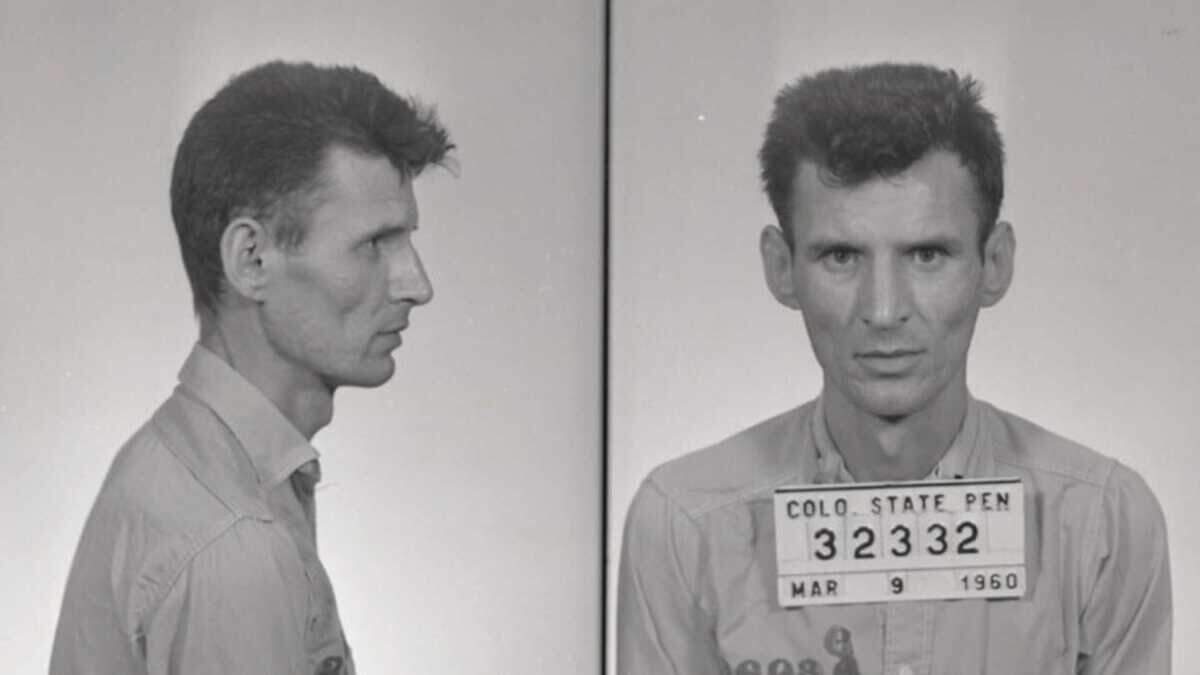
The remains of a man found near a Sierra campsite more than 30 years ago have been identified by Placer County cold case investigators as George Krusely, the Placer County Sheriff’s Office announced.
Read more California DMV, supervisor sued over alleged sexual harassment, death threat
“While answers can’t bring back a loved one, we hope this identification provides some peace and brings an end to the uncertainty that has lasted for decades,” Placer County Sheriff Wayne Woo said in a statement.
Born April 30, 1929, Krusely was last known to be in California in 1963, cold case investigators said.
It was unknown how long Krusely had been dead when his remains were found in July 1994 by loggers near a campsite at Putt Lake, about 70 miles northeast of Sacramento.
Loggers found a partial skull near the site. Sheriff’s detectives recovered the skull and other items from the campsite and surrounding area, but medical examiners were unable to determine a cause of death.
Advances in DNA technology ultimately helped investigators identify the remains.
The case was referred to Ramapo’s Investigative Genetic Genealogy Center in December 2024. After DNA testing by the California Department of Justice and Othram Inc., genetic information was sent to the center in January 2025. Students who had completed Ramapo’s investigative genetic genealogy certificate program volunteered to research the case and identified Krusely as a candidate in December 2025, according to the college.
After the Sheriff’s Office confirmed Krusely as a candidate, the Ramapo team traced his family to a living relative in Lordstown, Ohio, a tiny village near Youngstown in northeastern Ohio. The Lordstown Police Department helped investigators obtain a DNA sample from the relative, which matched the DNA profile developed from the remains found years earlier at Putt Lake.
Read more Near-total lunar eclipse on display tonight. How visible will it be in California?
The match confirmed the remains belonged to Krusely, according to the Sheriff’s Office.
For Ramapo’s scientists, finding a genetic match was made more challenging by Krusely’s Croatian and Yugoslavian ancestry. Available genealogy records were scarce, and accessible DNA databases had little representation from those populations, Ramapo officials said.
“Low representation in accessible DNA databases and limited availability of genealogy records in some populations can make our research more complex,” Cairenn Binder, director of Ramapo’s Investigative Genetic Genealogy Center, said in a statement.
Placer County authorities said advances in DNA testing and genetic genealogy have helped resolve more cold cases like Krusely’s.
“No matter how many years pass, everyone deserves answers,” Woo said. “The Placer County Cold Case Unit is proving that advances in technology can make a remarkable difference in solving cases that have gone cold.”
Read more Craving Detroit-style deep-dish pizza? New spot in Sacramento’s Land Park can help