 By admin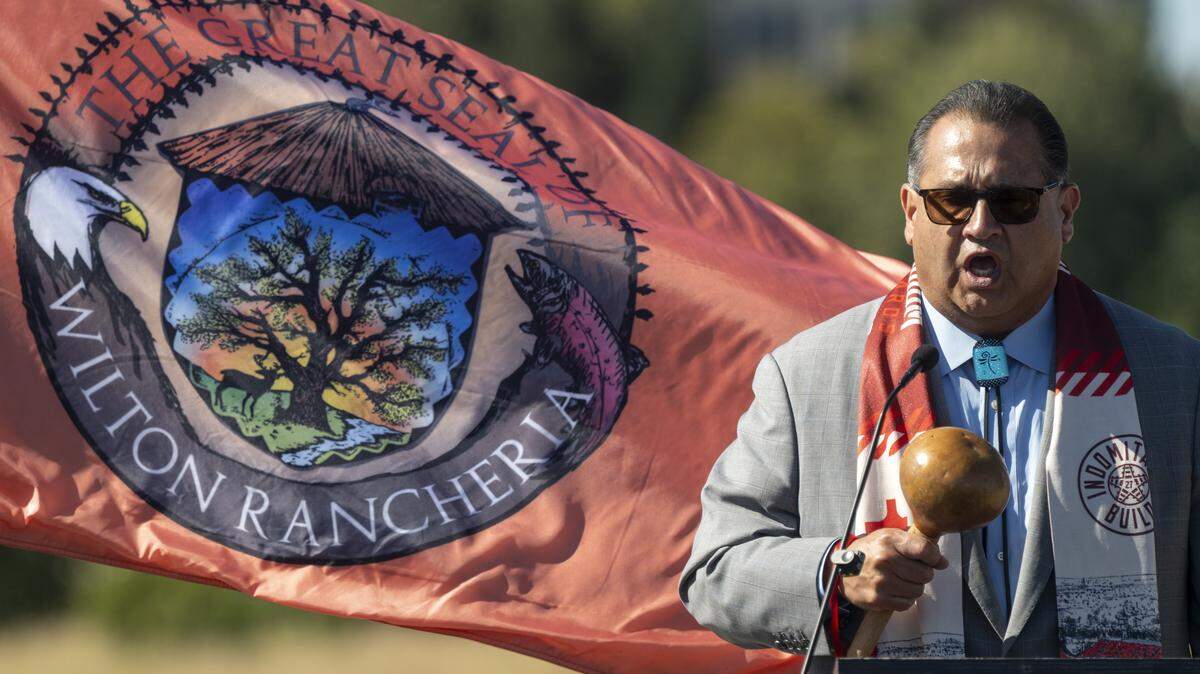
Assemblymember James Ramos, D-Highland, has reached an impasse with opponents of the California Indian Freedom Act, both parties said ahead of a key Senate committee vote Thursday.
Read more Placer County warns Legislature goat herder wage change could hurt wildfire grazing
Ramos’s measure seeks to give Native Americans more say over government agency actions on state-owned land that may interfere with traditional customs and spiritual practices. The bill is one of the more ambitious efforts from Ramos, the Legislature’s only Native American lawmaker, who said he wants to ensure people can’t be blocked access to sacred sites or halted from engaging in traditional customs on government land.
It has faced opposition from a wide range of political opponents that includes water districts, agricultural groups and the California Chamber of Commerce, who say it gives tribes too much control over state building projects. But the bill made it out of the Assembly on a unanimous vote of approval. Ramos had promised to continue negotiating with those groups to reach some kind of consensus, but told The Sacramento Bee he still faced considerable headwinds ahead of Thursday’s meeting of the Senate Appropriations Committee.
That committee is preparing to announce which bills advance off its suspense file. The Legislature’s two appropriation committees do not hold public votes before advancing or holding back measures on their desk. The committees often dispatch even those bills that had considerable popular momentum in their chamber of origin.
“I’m working very hard to make sure it gets out,” Ramos said. If it does, the bill would go to the full Senate.
Through the Legislature’s amendment process Ramos worked to address opponents’ concerns, narrowing the scope of his bill to no longer apply to municipal- and county-owned land. The most recent change removed restrictions on state water boards that had led to a cost estimate of $27 million annually to implement the bill. Under that most recent amendment, the bill would no longer apply to state actions regulating water use and water quality.
But he has declined to back down from two key provisions he said are core to the legislation’s goal — language requiring state agencies to secure tribal consent before building projects that might affect Indigenous spiritual practices, and a right of action allowing tribal governments and individual members to sue if those rights are violated.
Opponents remain opposed as long as those provisions remain in the bill. Despite the amendments Ramos has made, they say the legislation still hands California tribes a legal veto power over infrastructure projects, including critical water projects, that the state needs to invest in. They also say it’s duplicative to existing law like the California Environmental Quality Act
“The author and sponsor have stated that the bill’s objective is to improve land access for tribal communities,” said Chamber of Commerce spokesperson John Myers in an email to The Bee. “However, the bill goes far beyond improving land access — it allows tribes to dictate how land and water are managed.”
The Chamber and other opponents have offered amendments they say would limit the bill back to Ramos’s stated intent. However, Ramos said he has come to believe the negotiations have stumbled on an unfounded concern about tribes amassing too much power, particularly over waterways.
Read more CA lawmakers halt bill making retailers like Home Depot provide video of ICE activity
“Somehow I think there is fear that by moving forward you’re going to give the rights to California’s first people to all these resources and that’s not going to happen,” he said.
A fundamental divide
Bill proponents argue that current state law does not provide Indigenous people the same protections for their spiritual practices that adherents of other religions receive. Those supporters include a long list of tribes and advocacy groups.
“This gap is especially harmful because their religious traditions and spiritual beliefs are inherently land-based — rooted in access to sacred sites, cultural landscapes, and natural resources,” Ramos’s office wrote in a fact sheet on the bill.
To Ramos, the bill represents a step toward reversing the long list of historical wrongs against Native Americans, including those perpetrated by the state government. Gov. Gavin Newsom issued a formal apology for the state’s actions toward indigenous Californians in 2019.
The legislation “represents a necessary shift in California law,” the fact sheet says, “from a history of suppression and exclusion to one of recognition, respect, and protection.”
Ramos described the resistance he’s run into with the legislation as an indication that the state apology, and other steps to acknowledge historical wrongs, didn’t run as deep as he’d hoped. “I do have to push back on it because of the history, because of my upbringing,” he said.
Opponents say they respect Ramos’s intent but that his legislation goes too far and would slow California’s already challenging and expensive pathways for crucial infrastructure projects.
That Ramos had to exempt the state water board is as much a sign that his legislation upsets the legal scheme to an unworkable degree as it is a compromise, they wrote in an Aug. 6 opposition letter.
“If the bill’s requirements are so unworkable that the State Water Board needed a carve-out,” they wrote, “the Legislature should ask why those same requirements are acceptable for every other agency responsible for managing state lands and waters.”
Read more California player wins six-figure Powerball prize as $1 billion jackpot claimed