 By admin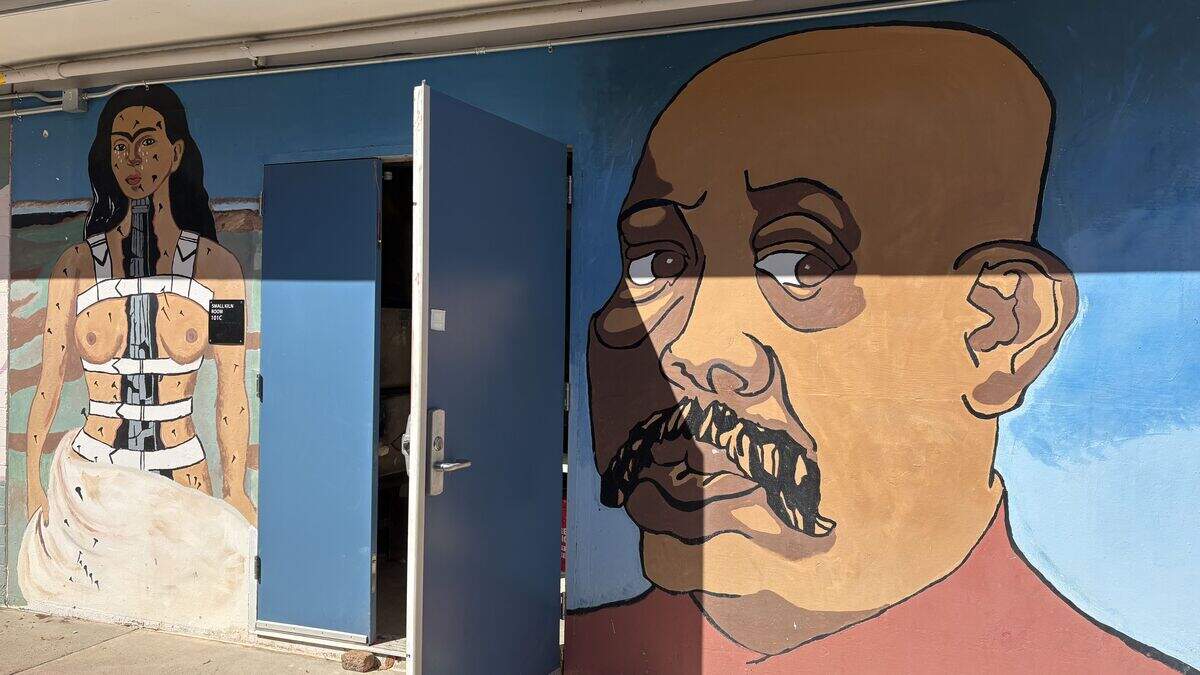
After slogans criticizing the Sacramento State administration appeared in chalk on the facade of a 64-year-old campus building earlier this week, at least one student is now facing potential disciplinary action. For allegedly breaking the school’s protest rules, the student could — if found responsible — face sanctions including denial of access to campus, suspension and even expulsion.
Read more 49ers owner Jed York suspended, fined for Ohio arrest. ‘Inexcusable mistake,’ he says
Those protest rules are called “time, place and manner” policies. In 2024, they were reinforced and consolidated by the University of California and California State University to regulate when, where and how students can protest on campus. The state mandated that these policies be strengthened after large rallies and encampments protesting the ongoing war in Gaza swept through college campuses in 2024.
All UC and CSU campuses already had some version of these restrictions in place before 2024. But since then, the policies have been adopted uniformly, publicized clearly and elevated to play a more central role in campus life. According to some students, the focus on protest restrictions has inhibited free speech at universities and the stronger enforcement of rules has disproportionately targeted particular communities. Now, after sparking a hotly debated bill that was eventually vetoed by Gov. Gavin Newsom, TPM rules continue to be a central issue for Californian higher education systems to address.
What happened at Sac State?
Last week, the Sacramento State art department was informed that funds allocated years ago for repairs in an aging building had been revoked. In protest, members of the community wrote slogans like “broken promises” and “you stole our money” in chalk on the building’s facade this week. Later, campus administration clarified that their initial communication had been sent erroneously and the funds were being held temporarily for review.
By Thursday afternoon, all the chalk graffiti had been washed off the walls of the building. That same day, at least one student received a disciplinary notice asking them to schedule a meeting with the student conduct administrator in less than two weeks. In the letter, the Office of Student Conduct said it received a referral alleging the student had violated the TPM policies by “chalking on vertical surfaces which created damage that required repair.”
During the disciplinary meeting, the student will be told what the allegations were and given a chance to respond. If the student is found responsible, they could be made to compensate for damages in cash or service, write an essay or go to workshops, or be barred from participating in campus events or organizations. They could also be denied access to campus, suspended or expelled.
The student told The Sacramento Bee they had not been involved in chalking the building.
While some TPM policies apply systemwide, chalking and signage are up to individual campuses. At Sacramento State, chalking on walkways, concrete or asphalt to promote campus events is permissible. But chalking on walls and vertical surfaces as well as at residence halls is not permitted. Chalking must be at least 30 feet away from the entrance to any building.
What are TPM policies?
TPM policies regulate the use of university property and set standards for the “time, place and manner” in which activities — especially protests — can be conducted on campus. This, the CSU says, allows the university to maintain an environment where work can be conducted safely without disruption while recognizing the rights of all individuals.
The policy, it says, ensures that those who participate in permitted protests are protected, but not allowed to disrupt university operations or infringe on other people’s rights. The policy also includes how the university will respond to those who do not comply with the rules.
The policies, the CSU says, are content-neutral — they apply across the board irrespective of the subject of a protest.
Per UC policy, the time, place, and manner of exercising the rights of free expression, speech and assembly are subject to regulations that ensure non-interference with university operations and personal safety protections for those not involved.
Read more Fired CA GOP finance director countersues party for sexual harassment, retaliation
What’s not allowed?
Under the CSU’s systemwide policy, several actions are prohibited. This includes disrupting the speech of others, overnight demonstrations and camping, unauthorized structures or barricades, entering campus during “closed” hours, disguises or concealment of identity, firearms and weapons, fireworks, shooting projectiles, chemical sprays and unauthorized climbing of university structures.
In areas that are designated public and made available for protests, spontaneous activities can take place without reservations but “reasonable time, place and manner regulations” will apply. All other campus areas are not open for protests.
Under the UC’s systemwide policy, the following are banned on university property: encampments, unauthorized structures, restrictions on the free movement of others, masking to conceal identity and the refusal to reveal identity when university officials are performing their duty in situations that require intervention.
Individual campuses in the CSU and UC can create their own policies in addition to systemwide directives.
What happens if you violate a TPM rule?
If individuals violate the policy, the CSU may pursue discipline, seek intervention by law enforcement or pursue civil remedies. Sanctions will only be imposed commensurate with the severity of the violation, the CSU said.
In the UC system, if initial attempts to inform potential violators of the policies are unsuccessful, and the violations occur anyway, students may be referred to the student conduct process. If breaking the law, they may face citations, detention or arrest. In addition, stay-away orders may be issue for severe or repeated violations.
Why are the policies controversial?
The debate over current campus protest rules has its roots in 2024 legislation. At that time, following encampments and rallies protesting the ongoing war in Gaza that swept campuses statewide, the Legislature required the UC and CSU systems to develop uniform protest policies.
As Jewish groups reported increased antisemitic incidents on campuses, the state passed a law asking the CSU and UC systems to enforce those protest restrictions and “prohibit violent, harassing, intimidating or discriminatory conduct” that creates a hostile environment on campus. The UC and CSU consolidated and strengthened existing policies. They prohibited encampments, restricted masking to conceal identity when violating policies and put in place disciplinary actions to be utilized against those in violation.
Meanwhile, hundreds of student and faculty who participated in pro-Palestinian protests had already been slapped with legal and academic repercussions amid a crackdown on the movement.
Since then, some students say the implementation of protest policies and the disciplinary actions meted out to violators didn’t just create a chilling effect on campuses, but also disproportionately targeted Muslim, Black and Brown students. Others, including the CSU and UC systems, say the policies have made universities safer for all students and are keen to keep them in place.
Read more Sac State student faces discipline over chalk protest. What’s the policy?