 By admin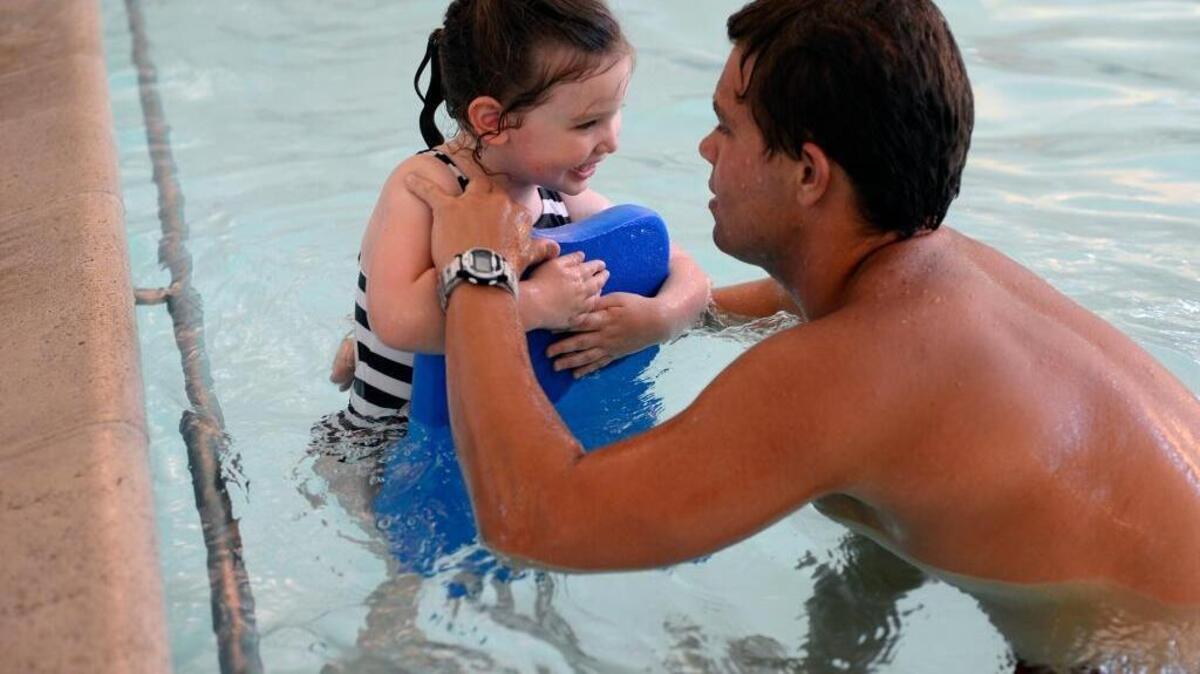
Last summer, I cared for a toddler who had been pulled from a backyard pool, found just minutes after slipping out of sight and under the water. He survived, but with brain damage that will shape the rest of his and his family’s lives.
Read more Nido de víboras… celulíticas
Not every child makes it that far. Each year, thousands of children in the U.S. die from drowning, and many more are left with lifelong complications. What’s difficult is knowing how preventable this is.
In Sacramento, where pools are part of everyday life, swimming is a basic safety skill too many kids never get.
Drowning is the most common cause of accidental death among Sacramento’s toddlers and preschool aged children, with 70% of all drowning deaths in Sacramento County occurring in those under age 5.
Over the last few years, several local community organizations such as the Sacramento County Fire Department have advertised the “ABC’s” of Swimming to promote child safety around water, referring to A: adult supervision; B: barriers around pools; and C: CPR and swim classes.
But limited access to swim lessons is one factor contributing to unequal health outcomes in water safety. According to the USA Swimming Foundation, 79% of children in households earning under $50,000 per year have little to no swimming ability, which puts them at greater risk for accidental drowning injuries or death.
Affordable or no-cost swim lessons in early childhood can help prevent drowning deaths by supporting populations at higher risk.
Read more What was halted by key legislative hurdle? Immigration, rooster limitations stalled
Too often, drowning prevention is framed as a matter of personal responsibility, but that framing ignores a critical reality: Access to swim lessons, safe places to swim and the time and resources required for close supervision are not equally available to all families. The evidence clearly shows that pediatric drownings disproportionately affect children from low-income households and under-resourced communities. Though safe pool environments, proper fencing and close, attentive supervision remain important, swimming lessons are one of the best tools we have to reduce this disparity.
The City of Sacramento operates 12 neighborhood pools, all of which offer seasonal swim lessons. A six-session package costs $72. While a scholarship program exists (Youth Program Scholarship Fund), it requires families to apply nearly a year in advance, with the deadline scheduled during the September prior to the summer session. For families living paycheck to paycheck, this amount of future planning is unrealistic.
A truly accessible solution would be to offer free, drop-in swim classes at all Sacramento public pools. While this would create logistical challenges — such as limited instructors and the need to maintain safe class sizes — these challenges can be overcome. A first-come, first-served model, capped class sizes and age-based grouping allows programs to expand safely.
If we are serious about preventing childhood drowning in Sacramento, especially among our most vulnerable populations, we need to treat swimming as a basic safety skill, not a privilege. That means making swimming lessons truly accessible.
As a pediatrician caring for Sacramento’s children, I have seen firsthand how a single drowning incident can devastate an entire community. We have the opportunity to prevent these tragedies by ensuring every child in Sacramento has the chance to learn these lifesaving skills.
Maddie Leong is a pediatrician in Sacramento with a special interest in sports medicine and expanding access to youth sports.
Read more Why is California gubernatorial favorite Xavier Becerra ducking reporters? | Opinion