 By admin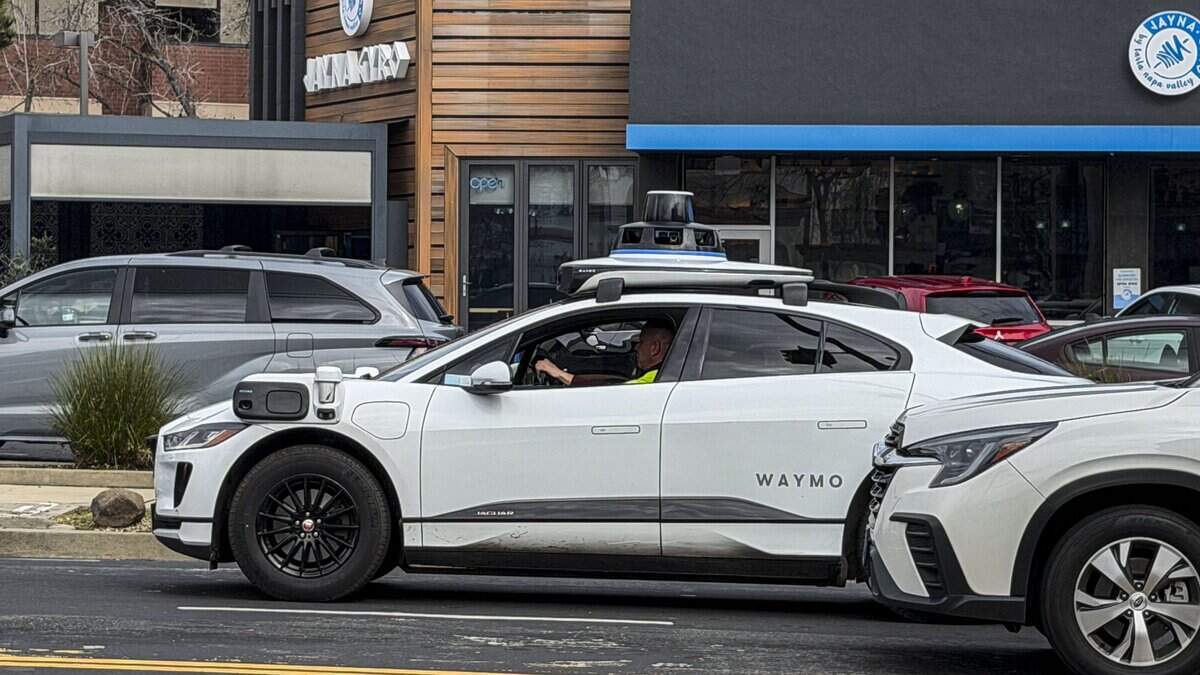
Waymo autonomous robotaxis could pick up Sacramento riders as early as August, a city council member said, about six months after the company and the city’s mayor first announced a partnership.
Read more Bee Appetit: Vietnamese fusion lunch spot pops up inside this Sacramento restaurant
Waymo, a subsidiary of Google’s parent company Alphabet Inc., said in February that California’s capital city would be the next stop for its autonomous vehicles. The announcement kicked off a multistep process that began with mapping the city and progressed to its vehicles operating in “autonomous mode” with a person monitoring from the driver’s seat.
Sacramento City Councilmember Phil Pluckebaum said the vehicles could be ready to offer autonomous taxi rides in August.
“It could be September, but in all likelihood, it’s August,” said Pluckebaum, whose district includes downtown and East Sacramento.
The areas first serviced by Waymo would be determined using a demand-based model, meaning midtown and downtown would likely be the first to see rides, he said. The service would then spread to surrounding neighborhoods such as South Natomas and Land Park.
A Waymo spokesperson said Thursday the company did not have updates regarding a service launch timeline. The next step for the vehicles is to complete drives without a human inside and the company “will share updates once we reach this milestone,” the spokesperson said.
Which Waymo vehicles? How many will deploy?
Both the white Jaguar I-Pace SUVs, which are the most common Waymo vehicle, and the new light blue Ojai minivans have been spotted moving around the area, though the latter have become more common in the past few weeks.
At least a dozen Waymo vehicles were parked every morning and night at a fenced-off lot at the corner of 14th and I streets, according to East Sacramento resident Darby Gross. Gross had been working at a business across the street from the lot for about one month.
The only vehicle Gross has seen in the lot is the light blue minivan.
A Waymo spokesperson would not confirm the makeup of the fleet that would be active during the launch. The company planned to announce that closer to the deployment date.
The city is considering changes to infrastructure, such as reserving curb space, to accommodate the Waymo rides, Pluckebaum said.
“You’re going to have more vehicles pulling over, picking up and dropping off people than we currently do,” he said. “There’s going to be some changes to how we use our curbs to provide for the increased demand for this use.”
Read more Sacramento Police seeks drone surveillance tech in 2027 military equipment plan
Pluckebaum said he expected the curb changes to frustrate residents because “parking isn’t in a surplus in most of the central city.”
Gross said he prefers interacting with a human driver but saw the introduction of autonomous vehicles as inevitable.
“I’m not against it,” he said. “But I prefer the old school, you know. I don’t mind chatting with the driver.”
Waymo continues to stir debate
In the February announcement, Waymo and Sacramento Mayor Kevin McCarty framed the introduction of Waymo as a way to make streets safer.
“As Sacramento grows, so does our need for safe, reliable transportation,” McCarty said in a statement accompanying the Waymo announcement. “We’re excited to work with Waymo to expand mobility options that are designed with safety at their core. By offering new ways to move around the Capital City, we’re providing our residents with more choice while staying focused on our goal of making every street safer for everyone.”
Earlier this month, Waymo released peer-reviewed crash studies that showed the autonomous vehicles were involved in fewer injury crashes than human drivers at peak times.
Another benefit is traffic-calming because Waymo vehicles are programmed to follow the speed limit, Pluckebaum said.
However, Waymo is not free of criticism.
At a state Senate Transportation Committee hearing in March, about how regulation had lagged behind the rapidly evolving technology, citing incidents involving autonomous vehicles, including stopping in the middle of crime scenes. A crash victim, law enforcement and fire officials spoke at the hearing, along with an industry representative, researchers and regulators.
Multiple bills were introduced in the Legislature this year, including one that sought to hold autonomous car builders accountable for traffic violations. The bill, Assembly Bill 2193, was placed in the suspense file in May.
Read more New lawsuit accuses Folsom Cordova Unified of failing to stop teacher’s sex abuse