 By admin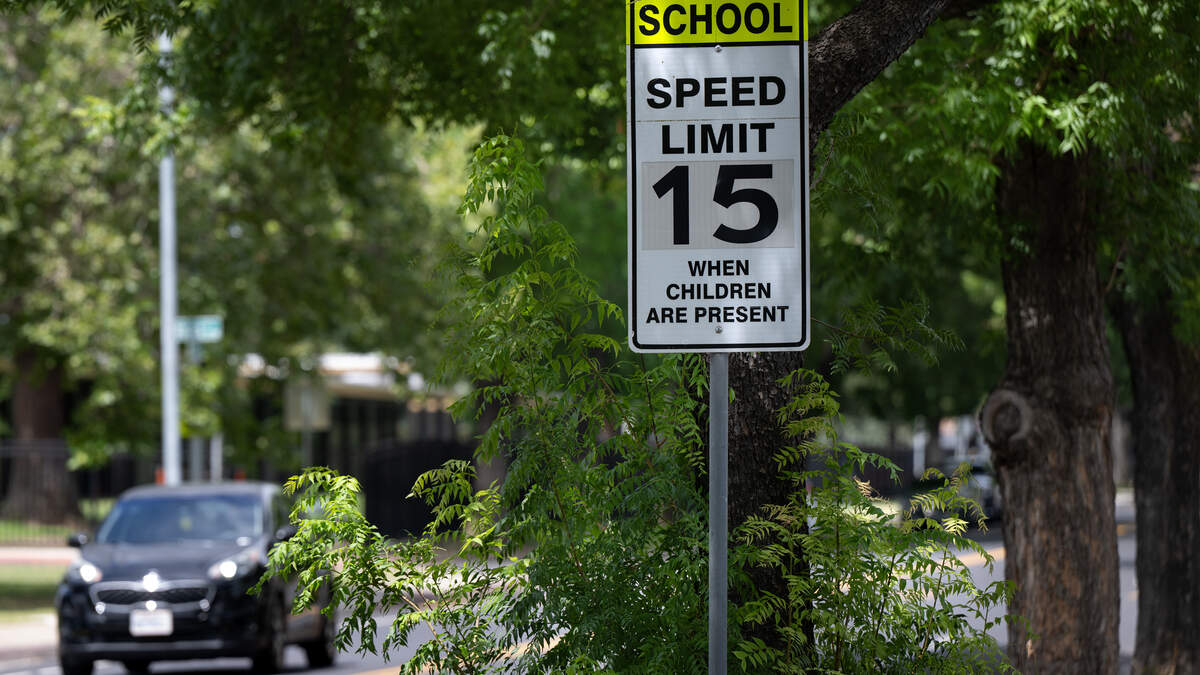
Students across California are gearing up for the 2026-27 school year.
As students prepare to head back to the classroom, drivers should be prepared for heavier traffic, crowded drop-off zones and more children near roadways.
Read more Folsom firefighters to restore engine under new EMT-paramedic staffing plan
When are children considered “present” in a California school zone — and when does the lower speed limit apply?
Here’s what California drivers need to know:
BEHIND THE STORY
MORE
Why we did this story
Our community-driven series — How to California — is here to answer your questions about state laws, history, culture, recreation and travel in the Golden State.
McClatchy’s service journalism team, focused on helping our readers navigate daily life, works in communities across the state, including San Luis Obispo, Fresno, Merced, Modesto and Sacramento.
Ask us your questions — big and small — by emailing [email protected] or filling out a form here.
What is the speed limit in California school zones?
According to the California Department of Motor Vehicles, the speed limit is generally 25 mph within 500 feet of a school when children are outside or crossing the street.
However, some school zones may have speed limits as low as 15 mph.
How does new law change speed limit near schools?
In 2026, Assembly Bill 382 allowed cities and counties to lower the speed limit in school zones from 25 mph to 20 mph.
The law took effect on Jan. 1.
Local governments are also allowed to establish a 15 mph speed limit in certain school zones on roads with posted speed limits of 30 mph or less.
In addition, they can set a 25 mph limit for drivers approaching a school zone from 500 to 1,000 feet away.
Cities and counties can adopt these changes by passing an ordinance or resolution through Jan. 1, 2031.
“After this date, the speed limit will automatically decrease from 25 to 20 mph in school zones when proper signage is posted,” the California Highway Patrol said in a news release.
In Modesto, city crews have already installed 15 mph speed limit signs near several schools ahead of the new school year.
What is a school zone in California?
A “school zone” is defined as any roadway within 500 feet of school grounds in any direction, unless otherwise posted.
This includes the area of the road that approaches or passes the school and is not separated by a fence or other barrier.
School zones must be clearly marked with signs identifying the applicable speed limit.
Read more Evacuations ordered for Yuba Fire burning along Hwy. 49 corridor in Nevada County
Some signs specify that the lower limit applies “when children are present.”
When are children considered ‘present’ in a California school zone?
According to the California Vehicle Code, school zone speed limits are enforced when children are on or near school grounds.
The California Highway Patrol previously told The Sacramento Bee that children are considered “present” whenever they are on the side of the school’s fence or barrier closest to the road.
This includes drop-off and pick-up times.
How fast can I drive in a school zone if kids aren’t present?
When children are not physically present in the school zone but still on school grounds, the CHP said, drivers must still go at a “safe speed.”
“If it’s 10 a.m. and children are corralled in a fenced area during recess, then the motorist may go (the regular speed limit if it’s) safe to do so,” the CHP said
In California, the speed limit in business and residential neighborhoods is typically 25 mph, unless otherwise posted.
Though school hours in California typically range from about 7 a.m. to 4 p.m., CHP said, drivers should still be cautious when passing through a school zone because after-school programs can last until 6 p.m.
“It is always best practice to lower your speed when near school zones and exercise a high visual horizon,” CHP said.
Can I get a ticket for speeding in a California school zone?
When children are considered present and a school zone speed limit is posted, drivers are required to follow that limit.
If you’re caught exceeding the posted speed limit, you can be issued a speeding ticket.
After penalty assessments and court fees are added, a , according to the Judicial Council’s Uniform Bail and Penalty Schedule.
A speeding violation can also result in a negligent operator point being added to your California driver’s record.
Have a question about life in California?
How to California— a guide to help you live, work and enjoy life in the Golden State, is here to help.
We’ll answer your questions — big and small — about state laws, history, culture, recreation and travel.
Ask your questions in the form below (can’t see it? Click here) or email [email protected].
Read more Sacramento news: livability ranking, Becerra’s campaign, Westbrook’s retirement