 By admin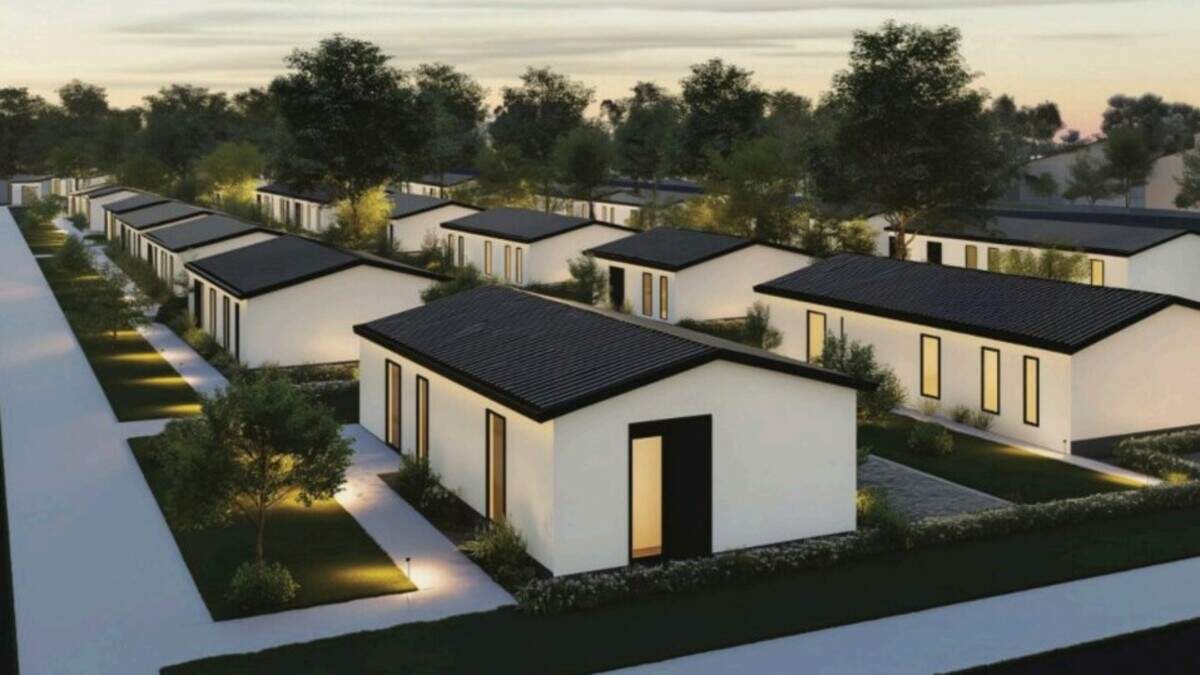
A tiny home village planned for north Sacramento, touted as a new model for affordable housing, secured $32 million from the state Thursday.
Read more ‘Sacramento is very tough’: Recently opened American-style eatery in midtown closes
The project, at a vacant lot at the corner of Rio Linda Boulevard and Las Palmas Avenue in South Hagginwood, will include 100 tiny homes for homeless veterans age 55 and older, according to a Thursday news release from Gov. Gavin Newsom’s office.
Because the project is funded by revenue from Proposition 1 — Newsom’s mental health ballot measure California voters passed in 2024 — half of the homes within the project will be reserved for homeless veterans who are experiencing behavioral health challenges, the release said.
The project also received about $3 million from the city, using the state’s Homeless Housing and Prevention grant, said John Vignocchi, managing partner of Sacramento-based Urban Capital, LLC, the developer. That brings the project to a total of $35 million, including $20.7 million in capital costs to build it.
Building the project will cost about $207,000 per unit, Vignocchi said.
That’s significantly lower than the $600,000 per unit it often costs for new income-restricted affordable housing in Sacramento. The lower cost is partly because the tenants will live in tiny homes, which the state now calls “factory-built homes,” instead of in a new apartment building built from the ground up or requiring a costly redevelopment of an older building.
Tiny homes are also open at several other city and county homeless shelters but are not typically used for permanent housing in Sacramento.
Los Angeles-based BOSS Homes will supply the housing units. Boss also supplied the tiny homes at the Stockton Boulevard homeless shelter, but the new ones will be larger. The Rio Linda tiny homes will be about 240 square feet each, including kitchenettes and bathrooms, according to a city document. There will be shared storage and laundry facilities on site, as well as case managers and property managers.
“We’re excited to partner with the city of Sacramento to deliver 100 capitally efficient, dignified homes for seniors and veterans through the Rio Linda project,” Vignocchi said. “This Homekey+ award shows what’s possible when local leaders and the state align around scalable solutions.”
Mayor Kevin McCarty, who has stressed since taking the helm in December 2024 that affordable housing needs to be cheaper to build, praised the project.
“This was a big piece of our puzzle to get people off the streets and into somewhere else,” McCarty said Thursday. “We desperately need this.”
Read more EGUSD considers eminent domain for Rancho Cordova school campus. Here’s why
The housing will be available to veterans living alone who earn less than $27,600 a year, according to current U.S. Housing and Urban Development area median income guidelines for the Sacramento region.
Newsom’s release also announced Homekey+ funding for affordable housing projects in Fresno, Bakersfield and Contra Costa County, totaling nearly $110 million.
“California voters approved Proposition 1 because they know we must do more to address homelessness and behavioral health challenges,” Newsom said in the release. “These Homekey+ investments are delivering on that promise by creating supportive housing, connecting people to care, and helping veterans and other Californians move toward stability.”
When the project went before the council last year, Roger Dickinson, who represents the area, said several neighbors had concerns. On Thursday, he said those concerns are lessened, though some still worry the Sacramento Northern Bike Trail, which runs along the back side of the project, will become less safe.
“I’m pleased to see the award by the state to support the project,” Dickinson said Thursday. “I think it will improve the site, which has been a problem spot on Rio Linda for long time. It’s been the site of a lot of illegal dumping and transients making use of the space. I think the project will serve a population that very much needs and deserves our assistance.”
On Thursday, Mina Perez, president of the Rancho Del Paso Community Association agreed some neighborhood concerns are now decreased, but that many people still want to see community amenities added that people can use even if they are not living in the tiny homes.
“The neighbors want to make sure they benefit somehow,” Perez said. “They also want to be included in the planning process.”
Vignocchi said the development will include a community garden and two small parks, but they will only be for residents, and the development will be gated.
Read more California joins Harvard’s fight with Trump administration over research funds
Construction is set to start in March and open by January 2028, Vignocchi said.