 By admin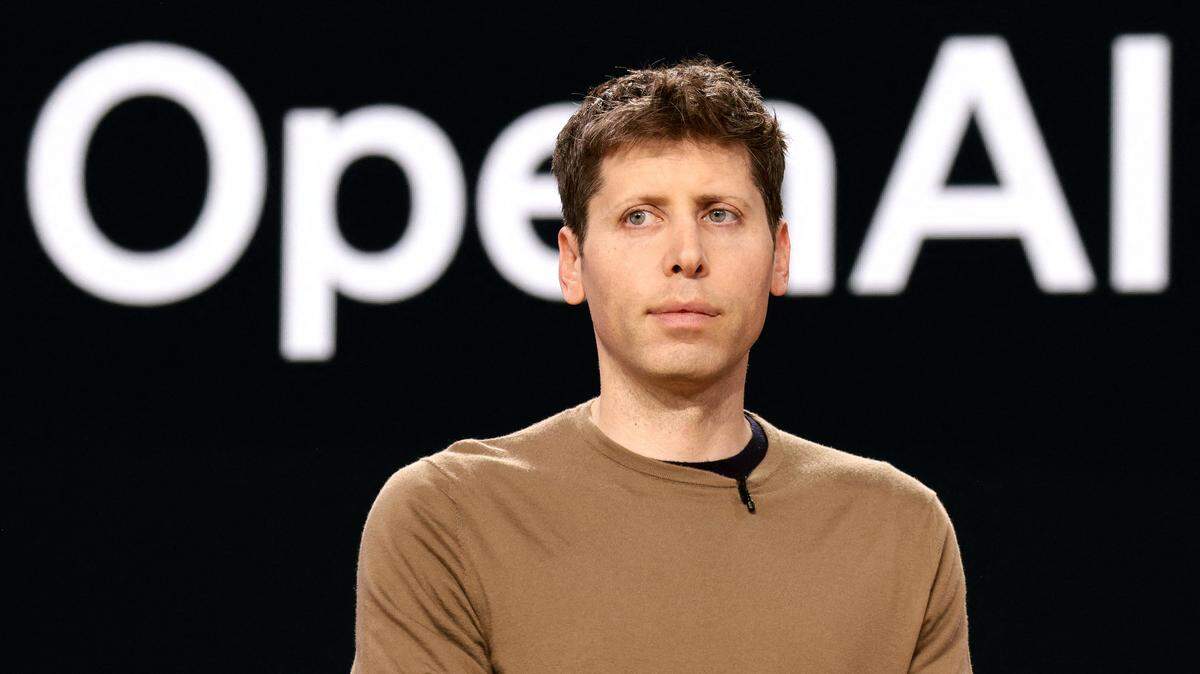
The first set of regulations mandated by California’s AI Transparency Act went into effect Sunday. Now, AI giants like Google and Anthropic will have to make their technologies comply with the state’s fight against pornography deepfakes and AI scams.
Read more Sacramento’s weekend recap: Japanese culture bazaar returns, goat herders wage crisis
State Sen. Josh Becker, D-Menlo Park, authored a law that requires compliance with new consumer protections from all AI companies, mandating that they embed “provenance information” in the metadata of generated images and videos, essentially a tag in the image or videos’ code saying “this was created by AI.”
The second rollout of the law, set to take effect in January 2027, will require social media companies, search engines and messaging services to use these metadata tags to inform users whether images they are viewing are raw footage recorded by a human or generated by artificial intelligence.
“We need AI regulation,” Becker said.
In February, the California Medical Association raised concern over “deepfake doctors,” AI generated videos of real physicians that were used to sell off-market prescription remedies to unknowing patients. There has also been a rise in AI deepfake pornography in several California schools which the new law attempts to prevent through content labelling.
AI companies are responsible for creating their own watermark-embedding system to flag content. If tags can be tampered with or removed, “that means companies are not doing their best to comply with the bill,” said David Harris, a key architect of the AI Transparency Act and AI safety researcher at UC Berkeley.
“We didn’t specify an exact technology,” Harris said. “If scammers have new resources that become widely available, it’s on the OpenAIs and the Googles of the world to improve that technology.”
The original law only applied to AI companies with more than 1,000,000 monthly users, but was recently broadened to include any company regardless of size.
Read more Giants trade, new beer garden. Top Sacramento news on Aug. 3
When asked if more stringent AI law might drive small startups away or burst California’s tech bubble, Becker said the law “is not going to drive any tech company out of California.”
“This is easy to implement,” Harris added. “If you start a car company, you have to have enough money to crash a couple cars and see if your car is safe. AI is a very consequential technology. If they can’t develop safe technology they shouldn’t be in this business.”
The California law is part of a “transatlantic ratcheting up of AI standards,” according to Harris who advised the creators of the EU AI Act. It’s one of the most comprehensive consumer protection laws for artificial intelligence in the world, which released similar stringent rules about content labels last month.
The California AI Transparency Act contains a third, future provision, taking effect in January 2028, to mandate that camera manufacturers allow people to digitally sign their own raw photos and videos, marking them as “real.”
Companies like OpenAI and Google have already announced their intention to comply with the regulations. Both companies have released watermarking tools for users to check whether images and videos being displayed are AI generated.
Read more California House Democrats tout new law to boost Sacramento housing supply