 By admin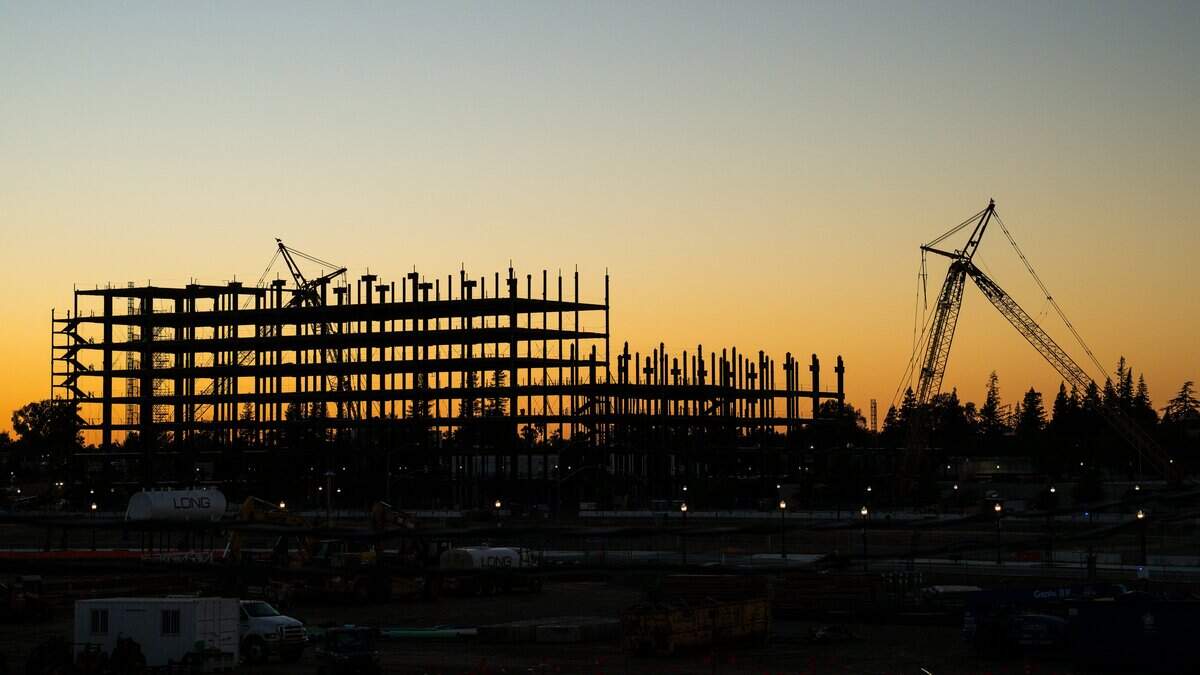
A city committee unanimously advanced a financing plan Tuesday morning to support development in Sacramento’s Railyards District, an effort that became a source of unexpected controversy last summer.
Read more Sacramento goes bananas: Multicultural food-themed event returns to Land Park
City officials have argued that the financing agreement — which would use expected increases in property taxes to repay developers’ costs for roads, sewer connections and other infrastructure — is a key step for construction in the 240-acre district adjacent to Sacramento’s downtown, often described as one of the country’s largest urban infill sites.
The former railyard, largely empty since railroad operators pulled out in the 1990s, was challenged for years by environmental cleanup efforts and difficult financing. It has seen some construction in recent years, including two apartment complexes and the Tani G. Cantil-Sakauye Sacramento Courthouse that opened in April. Some of the district’s largest proposed projects are now underway, such as Kaiser Permanente’s planned hospital, LDK Ventures’ concert venue and retail buildings, and Sacramento Republic FC’s new soccer stadium.
Last summer, a local union organized a group of residents from the two apartment complexes in the Railyards — the Wong Center and the A.J. Apartments — to oppose the special taxing district, arguing the deal contained weak requirements for affordable housing construction. A majority filed formal protests which, under a relatively new bit of state statute, imposed a one-year moratorium on the city’s process. When the moratorium lifted and the committee reconvened in late July, the item was delayed for another two weeks for administrative reasons.
The city has put forward a revised map of the special taxing district — an enhanced infrastructure financing district, or EIFD — which excludes those two apartment complexes. A spokesperson for the hotel and casino workers’ union that organized the Railyards residents, Unite Here Local 49, and four residents spoke in opposition Tuesday morning, arguing that the move eliminated the ability of those living it the apartments to formally protest. Pamela Freemon, spoke against the agreement last year, told the committee that residents were being “silenced.”
Councilmember Phil Pluckebaum, whose district includes the Railyards, defended the city’s process, and said he rejected the assertion that the city was suppressing public engagement. The Wong Center and A.J. Apartments, he continued, should never have been included in the special district.
Read more Yolo reports its first human West Nile case of year as mosquito activity increases
“It’s too easy to assume malintent in these processes. We all agree more affordable housing is desperately needed, but this is not the way to get it,” he said. “The only equitable way to achieve affordable housing is for everyone to pay a little bit, and not just newcomers, new homebuyers, new developers, new property that comes into the city rolls.”
Councilmember Karina Talamantes directed city staff to meet with residents.
“I’m really supportive of the project. I want to make sure it becomes a reality. But I also want to listen to the people that live in the Railyards,” she said. “They’ve been coming to these meetings for the last year, two years, and it’s our job at the city of Sacramento to sit down with them and listen to what they have to say.”
City staff said they held a presentation at the Wong Center recently, and planned to hold one at the A.J. They also organized a well-attended open house at the Sacramento Valley Station in late July, where representatives from the city, Downtown Railyard Ventures, Kaiser Permanente and Sacramento Republic FC were available to the public.
The financing plan will be heard again in mid-September by the same committee, in mid-October before the full City Council, and one week later at a final hearing by the committee, per a city staff report.
By the city’s most recent estimates, the EIFD is expected to generate $824 million over its life, which extends to 2077, said Leslie Fritzsche, Sacramento’s economic investment manager.
Read more Luis Rengifo’s slam sends Padres to blowout of Brewers
This story was originally published August 11, 2026 at 3:00 PM.