 By admin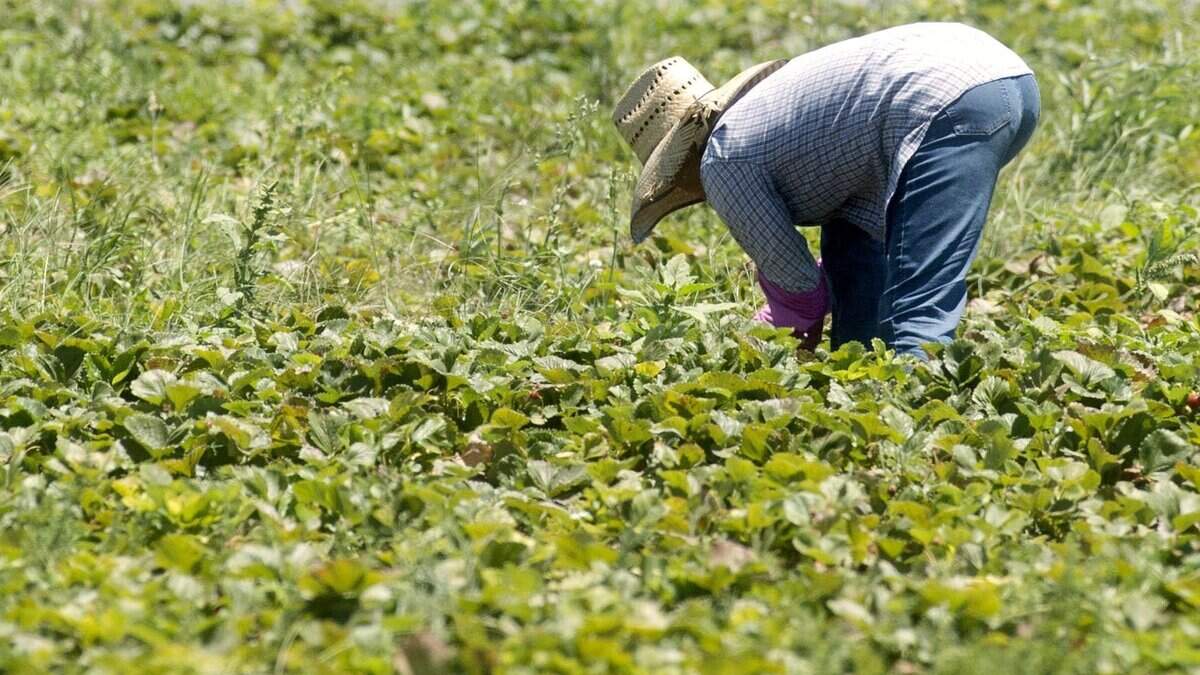
More than two decades ago, California decided that any person working beneath a punishing summer sun had some basic rights: Water, shade, a place to cool down and a supervisor who knew what heat illness looked like. In 2005, California became the first state to enact outdoor heat-safety regulations.
Read more Player lands ‘phenomenal’ six-figure jackpot on $2 bet at Sacramento-area casino
It wasn’t revolutionary. It was the kind of regulation that made you wonder why we needed a regulation at all.
And yet here we are, more than two decades later, and farmworkers are still getting sick and dying from the heat.
A recent Los Angeles Times investigation found the old story waiting in California’s fields. Workers were still laboring beneath a punishing sun, and the state that wrote the rules had since struggled to enforce them.
From 2017 to 2023, California Division of Occupational Safety and Health inspections fell nearly 30%, from 4,150 to 2,929, according to the LA Times. Violations fell more than 40%, from 1,996 to 1,130.
But the summers didn’t get cooler, the fields hadn’t disappeared and workers didn’t stop working. California simply became less present in enforcement.
Workers continue to feel the consequences of that absence. In a UC Merced study of more than 1,200 farmworkers, 43% said their employers had not provided a heat-illness prevention plan and 15% said they had received no heat-illness prevention training.
This should become a defining issue for whoever wants to be California’s next governor. Not because it is fashionable, but precisely because it isn’t. There will be plenty of speeches about artificial intelligence, housing, climate change and California’s future. But governing is also concerning yourself with the meat and potatoes of daily life.
Can a worker get a drink of cold water? Is there shade nearby? Can that worker stop when dizziness comes without fearing the loss of a day’s wages — or their job? And is there an inspector anywhere close enough to make the law mean something?
California’s next governor should begin there, and put inspectors back in the fields. Fill Cal-OSHA vacancies and create dedicated agricultural heat-enforcement teams in the Central, Imperial, Coachella and Salinas valleys. Don’t manage this from Sacramento, put people where the workers are.
Treat extreme heat the way California treats other predictable emergencies: When dangerous heat is forecast, inspection teams should be deployed before temperatures peak, making unannounced visits to outdoor workplaces.
Give workers a way to summon the state by creating a multilingual heat hotline during extreme weather, so a worker can communicate when there is no water, no shade, no rest or when they are sick.
Put heat enforcement on the governor’s dashboard by publishing inspections, complaints, response times, violations, illnesses, deaths and staffing levels in every county throughout the summer. What the government measures, the government eventually pays attention to.
Read more Players win six-figure Labor Day weekend jackpots at Sacramento-area casino
Then, make repeat violations expensive enough to matter. Most California farmers understand that the people harvesting their crops deserve basic protection. But employers who repeatedly deny workers water, shade or required rest should face escalating consequences.
These aren’t extravagant demands. California regulations already require fresh, suitably cool drinking water close to workers and shade whenever temperatures exceed 80 degrees. For agricultural workers, temperatures of 95 degrees or higher trigger additional high-heat protections, including required preventative cool-down rest periods.
None of this requires inventing another sprawling government program. It simply requires making the government we already have work.
And there is another uncomfortable truth here. California is experiencing an extraordinary moment in Latino political power. Latino leaders occupy some of the most important positions in state government, and a Latino could be elected our next governor.
That matters. But representation has to mean something beyond the names on office doors.
What would it say about us if Latino political power reached its historic height while Latino workers remained largely invisible in California’s fields?
Gov. Gavin Newsom has made California’s progressive identity a central part of his administration, including major investments in climate policy and worker protections. But the decline in workplace inspections reminds us of something larger: Good policy and good intentions aren’t enough. Government has to execute.
The failure isn’t one Newsom’s alone. Cal-OSHA’s staffing and enforcement challenges have accumulated across administrations, budgets and bureaucracies.
The real test of progressive government isn’t how boldly California describes its values. It is whether those values can travel the long distance from Sacramento to a field outside Fresno, Bakersfield or El Centro. The workers in those fields aren’t asking Sacramento to solve the world, they are asking for water, shade and somebody to enforce the law.
The next governor should make them one simple promise: When the heat comes, California will show up.
Dean Florez is a former California Senate Majority Leader and former member of the California Air Resources Board, bringing extensive experience in public policy, legislative leadership and environmental justice.
Read more Gambler wins a half-million dollars on $5 bet at Sacramento-area casino