 By admin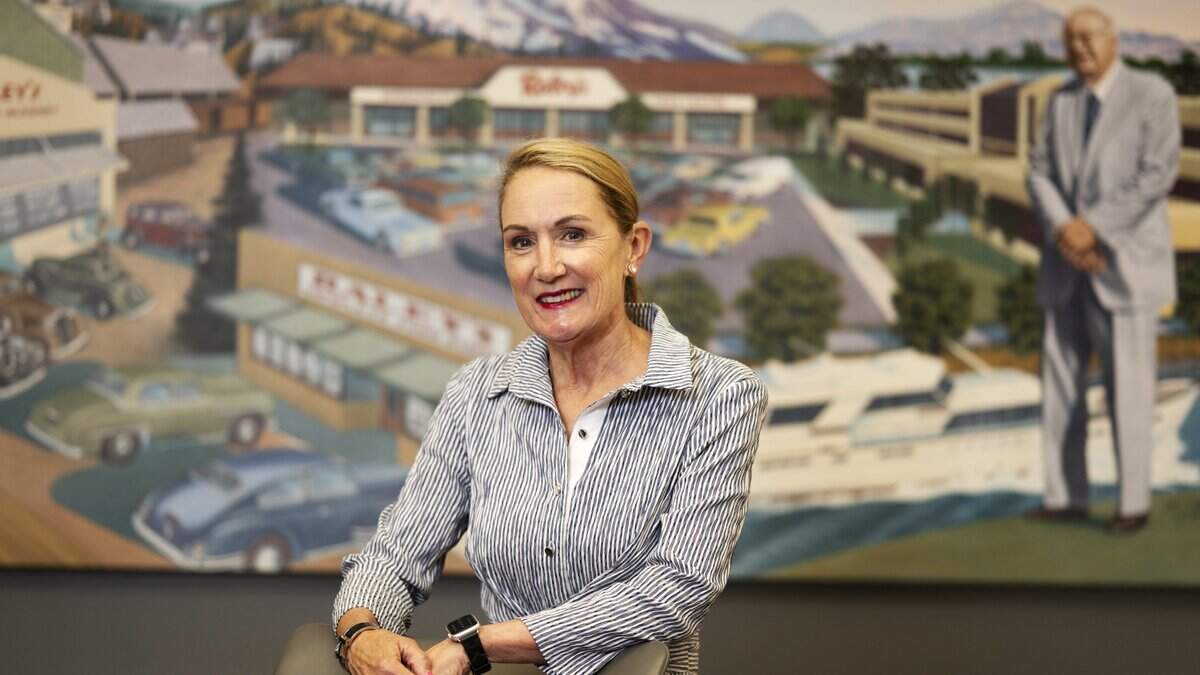
Raley’s Food For Families, the charity arm of the West Sacramento-based grocery chain, has grown into a multimillion-dollar annual effort, funding a dozen food agencies and paying for forklifts, refrigerators and shelves that local sites need to accept more donations.
Read more Family finds brother dead in North Highlands home. Sacramento deputies investigate
The program began as a holiday canned food drive in 1986 that later transformed into a year-round effort. Still, today the program is largely funded by donations ranging from $1 to $10, made by customers at the register at Raley’s, Bel Air and Nob Hill stores in California and Nevada.
Last year, shoppers collectively gave $4.3 million to Raley’s Food for Families.
The in-store donations are used by local food banks to buy food from Raley’s, at the same price that the grocery chain spent to buy it, with no markup. Raley’s delivers the food in its trucks, free of charge.
“Our job is to run Food for Families as we run the company,” said Julie Teel, who joined the board in 2017 and was appointed president in 2020, during a recent interview at the grocery chain’s West Sacramento headquarters. “Everybody still wants to donate… But I think we make it possible for them to give and be confident that it’s going to help other people’s money go further.”
Teel’s mother-in-law, Joyce Raley Teel, daughter of Raley’s founder Tom Raley, founded the effort along with former company president Chuck Collings.
“She just felt that no one should ever give up,” Julie Teel said. “When she met people, she saw that potential, but that they just needed a hand up, and not a handout.”
In 1989, the holiday food drive became a year-round program, and in 1990 the company’s stores began accepting cash donations at the register.
That continued until 2018, when Raley’s made it possible for customers to contribute digitally, allowing for more “spontaneity at the register,” Teel said. Annual collections soared from to nearly $5 million that year, from around $1.5 million.
Read more Central Valley cities are complaining about High-Speed Rail in 2026. See the latest
In 2018, the nonprofit also streamlined its donations from around 100 food banks and food pantries to 12 central agencies — like Sacramento Food Bank & Family Services, Yolo Food Bank and Feeding the Foothills, said Operations Manager Zoe Edwards. That allowed the nonprofit to make more efficient and impactful donations to a smaller number of sites, Edwards said, which those agencies could then allocate as needed among their networks of 2,400 other distribution sites, like churches and food closets.
Then, in early 2025, the nonprofit began using some of the funds it raises through annual dinner and golf tournament events — which, unlike the customer donations, aren’t restricted solely for stocking local food banks — to make it easier for food banks to accept larger numbers of donations.
In 2025 it launched more than $340,000 of infrastructure grants, and in a second round earlier this year awarded $246,000. Together, the grants paid for 34 refrigeration devices, six food distribution vehicles, a dozen pallet jacks or forklifts, plus shelving and storage materials and hand trucks.
Another round, of around $249,000, was awarded in late August.
“We had the opportunity to provide all this food to our food bank partners — and then the partner agencies that receive support from them,” Edwards said. “But if they don’t have the infrastructure to safely store and distribute the food, are we really, fully helping them?”
The grocery chain covers the nonprofit’s overhead costs: The Raley’s finance team does the nonprofit’s accounting work, and Teel and the nonprofit’s other board members are volunteers.
The donations made at the register remain in the communities in which they were given, and are distributed to an area food agency. That aspect, Teel said, appealed to her as a customer, before she joined the nonprofit’s board, because she felt she could trust where her donation was going.
“If you want to be successful, you can’t just be passionate about your mission,” Teel said, “You have to be transparent, authentic — and you have to run it like a business.”
Read more Need a reminder of California worker laws this Labor Day? What you should know