 By admin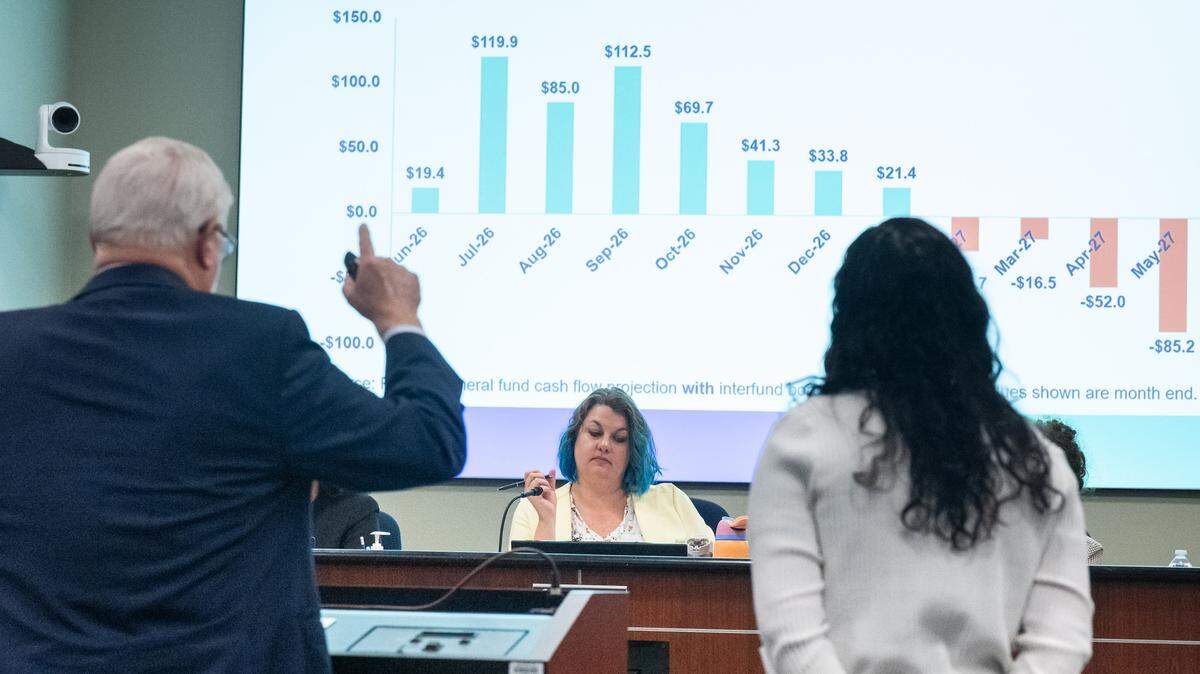
As tensions rise with the Sacramento County Office of Education, Sacramento City Unified is pressing ahead with a new fiscal sustainability plan aimed at avoiding insolvency and preserving local control.
Read more Sacramento man arrested, accused of violent threats linked to Nolan Wells’ death
At Thursday’s meeting, board members unanimously approved a plan to generate or preserve $158.6 million to help stabilize the district’s finances, reaffirming its commitment to seeing the plan through.
“We’re not here to fail. We’re here to do what’s best for the kids and best for our students,” said Michael Benjamin, a member of the board, during the meeting.
During the meeting, board members signaled growing friction between the district and the Sacramento County Office of Education, which recently began requiring the district to submit planned payments two days in advance and participate in monthly fiscal reviews.
“I will say also that the county, through their appointed fiscal adviser, has threatened us to rescind some of the actions that we are going to take tonight, which would put this in peril,” said Taylor Kayatta, the board’s vice president.
“I strongly encourage them not to do so. Again, not because of us, and not because of their political grievances or thinking that they might do something better than us, but because of our communities and our children.”
The district received a July 24 letter from David Gordon, the superintendent of the Sacramento County Office of Education, citing the state financial team’s projection of a $135 million cash deficit by June 2027 and indicating that the district needed about $80 million in additional cash solutions over the next few months to avoid state receivership.
Read more Davis police, firefighters plan active threat training. What residents should know
Kayatta said the county’s fiscal adviser later told district officials the projected cash deficit had increased to $150 million, which the district then used as the target for its fiscal sustainability plan.
The new fiscal plan includes seeking a parcel tax beginning in 2027 and relies on an agreement with the teachers’ union that temporarily changes how the district pays for retiree health benefits.
The board also approved the union agreement Thursday.
Chris Ralston, the district’s assistant superintendent of facilities, explained that the agreement would buy the district time to implement the rest of its solvency plan.
“It really does provide us more time to make sure we’re doing it the right way,” Ralston said.
“Without the lifeline, we may not be able to get all the way to the end of the plan with the amount of time that we would have.”
Read more Opponents of CEQA exemption for manufacturing facilities worry about key lawmaker