 By admin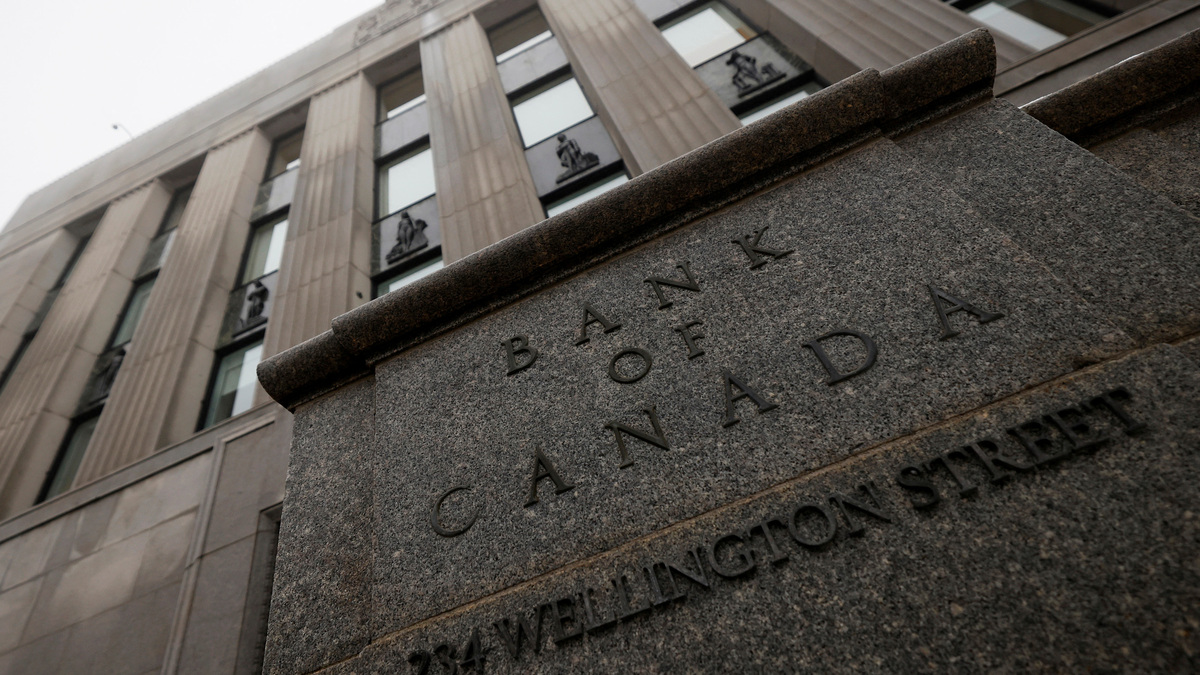
OTTAWA – Canadian businesses scaled down expectations of high inflation after a ceasefire in the Middle East, and trade worries abated, a quarterly Bank of Canada survey of leaders showed on Monday.
Read more Epstein moved millions through mysterious Virgin Islands bank right before arrest
The survey, as well as a broader examination of business sentiment, comes just over a week before the central bank’s next interest rate decision. They offer policymakers one of their clearest signs on whether trade uncertainty is feeding into inflation, employment and business activity.
Money markets and economists are expecting the BoC to hold rates at 2.25% until the end of this year at least.
The business outlook survey was conducted in May, before the United States signed a peace deal with Iran, and it largely shows firms were concerned that high gasoline prices will eat into demand, growth, sales and prices.
But a separate follow-up survey of business leaders showed those concerns were abating.
“Inflation expectations have declined, with the lowest expectations of the quarter recorded in the period after the signing in mid-June of the interim agreement between the United States and Iran,” it said.
The Iran war reversed business sentiment which had been rising for three consecutive quarters. The share of firms planning or budgeting for a recession in Canada over the next 12 months increased to 17% from 9%, the survey said.
The business outlook indicator, a metric of prospects under current economic conditions, fell to -0.39, the first decline in three quarters. But it was still significantly higher than the -2.41 that was recorded a year ago.
Read more The real heat returns this week to the Central Valley — here’s when
The BoC is introducing two new indicators related to business activity and price behavior from this quarter in an effort to better understand the nature of economic shock.
The activity indicator declined, largely reflecting a weaker sales outlook, and the price indicator increased due to expectations for both higher inflation and stronger growth in input and selling prices, the survey said.
The report also suggested firms were still operating cautiously because of uncertainty over U.S. tariffs and trade tensions, although the worst-case scenarios feared last year have progressively eased, especially on exports.
“Fewer said U.S. customers are holding back on orders because of uncertainty around changing trade policies,” the survey mentioned.
Investment intentions were largely unchanged from the previous quarter and remained at a high level, with investments broadly driven by domestic demand of routine maintenance.
Employment intentions weakened and firms continued to report spare capacity, the survey said.
Read more CA organ donor registry surpasses 20 million. Why more donors are still needed
(Reporting by David Ljunggren)
Copyright Reuters or USA Today Network via Reuters Connect.
This story was originally published July 6, 2026 at 9:14 AM.