 By admin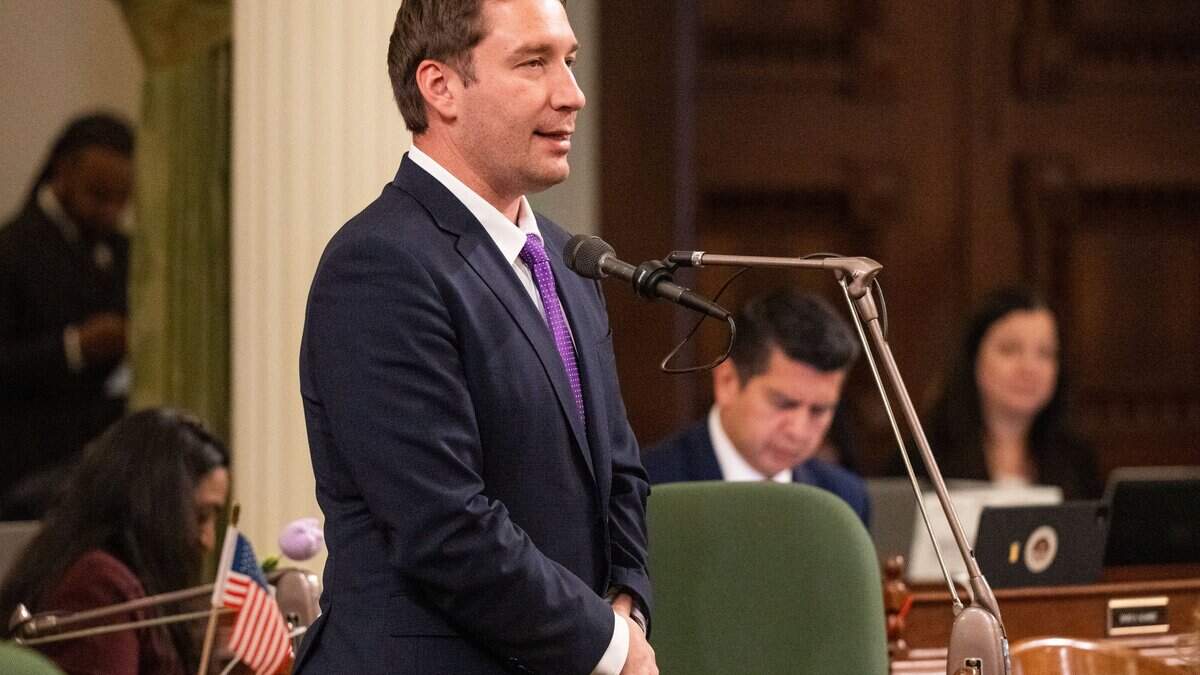
A bill proposed in the California Legislature attempted to block salary increases for executive leadership at the California State University in years when student tuition is hiked or staff wages remain stagnant. Lawmakers halted its progress at a key legislative hurdle, killing its chances in the current legislative session.
Read more AI-voiced Wheatland High School bomb threat was hoax, officials said
Assembly Bill 1831, authored by Assemblymember Patrick Ahrens, D-Sunnyvale, was a direct response to salary increases for CSU campus presidents enacted in November 2025 and a new executive compensation policy. That policy increased pay and performance incentives for key positions with the aim of recruiting and retaining qualified individuals after a year of leadership turnover. The bill’s supporters argued that these raises, concurrent with hikes in student tuition and inadequate pay for staff, revealed the CSU system’s misplaced priorities that needed to be reformed. Opponents feared it would allow the Legislature to intrude on the authority of the CSU’s board of trustees, who are vested with the power to decide employee salaries.
After unanimous passage in the Assembly, the bill was halted by the Senate Appropriations Committee Thursday.
“Struggling California students and families shouldn’t face annual tuition increases even while the state is investing billions of dollars more each year of our taxes into the CSU system,” Ahrens said in a statement. “Highly paid CSU executives — who are all public servants first and foremost — should be prioritizing affordable, accessible higher education for all Californians.”
In 2023, the CSU approved a systemwide tuition hike that would raise rates by 6% every year between 2024 and 2029. Per this plan, annual tuition for a full-time undergraduate student in the 2028-2029 academic year would be nearly $7,700, up from $5,742 in 2023-2024. This ongoing hike was implemented to create additional revenue for financial aid, student basic needs, faculty and staff compensation, among other things.
At the same time, the system is currently negotiating contracts with its largest labor groups, including the CSU Employees Union and the California Faculty Association. Negotiations with both groups have been tense as labor leaders accuse the system of making weak proposals — even after it received a strong budget from the state. While CFA negotiations will now be mediated by a state-appointed third party, CSUEU has declared it is “ready to strike.” Across the board, the main demand is better pay.
“The lowest-paid, full-time lecturer makes just over $66,000 a year. But most lecturers are not full-time and make less than half that amount. In comparison, the lowest-paid CSU campus president makes $370,000 a year and usually receives a housing allowance and/or car allowance on top of that pay. That is a 460% difference, or roughly what five full-time lecturers make,” the CFA said in support of Ahrens’ bill.
Read more National Reporter Downplays Steelers’ DK Metcalf, Michael Pittman Jr Injury Concerns
The newest state budget includes more than $500 million in new ongoing support for the university system this year. Now, the unions are expecting better offers from management than what they have so far seen in bargaining sessions.
With students paying more and staff not getting the pay and benefits they said they deserve, the November increases in executive compensation created intense frustration among some members of the CSU community — a feeling Ahrens’ bill tried to capture. Those executive raises ranged from 5% to 20%, making the base salaries of nearly half of the 22 campus presidents more than $500,000 annually.
While labor groups like the CFA and CSUEU registered their strong support for Ahrens’ bill, the California State University and its Office of the Chancellor were firmly against it. The system protested being singled out for compensation limits in a way that the University of California and California Community Colleges systems were not, putting them at a competitive disadvantage in recruitment.
CSU officials noted the importance of hiring qualified leaders at a time of “federal uncertainty, budget volatility and heightened public scrutiny.” And they advocated to protect their board of trustees’ independence in making decisions like employee compensation.
With the bill’s defeat, Ahrens said he would continue fighting “for a more affordable California.”
Read more Why This Season Feels Different for Lincoln Riley and the USC Trojans
This story was originally published August 18, 2026 at 4:30 AM.