 By admin
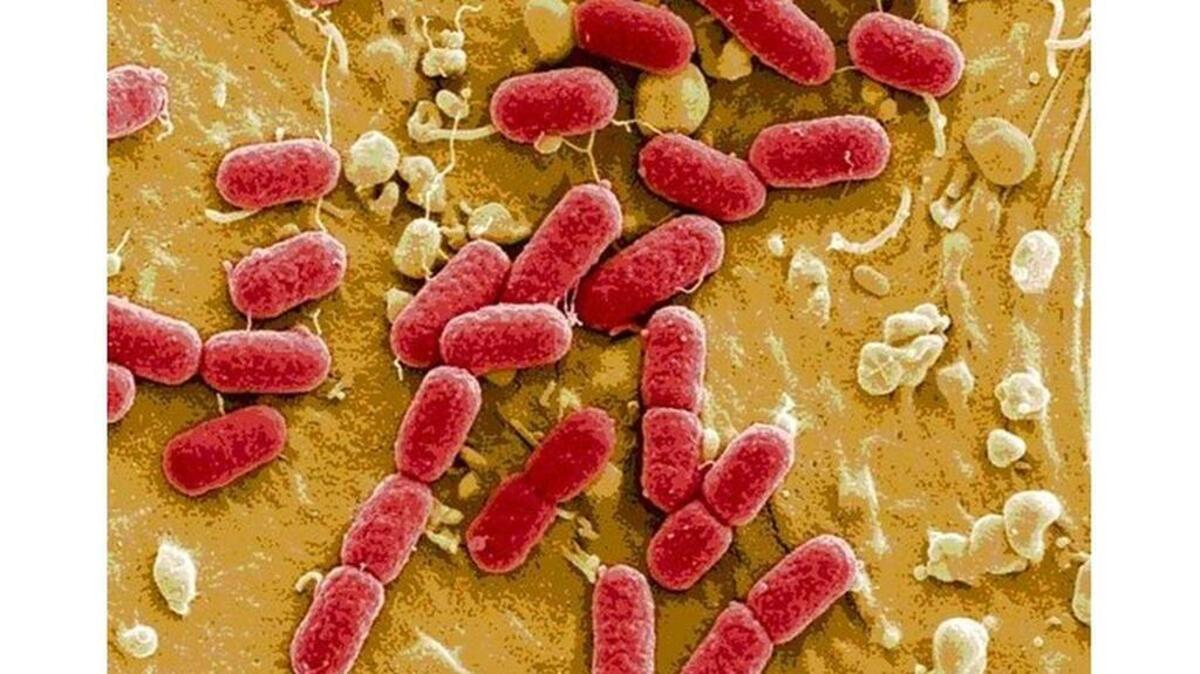
A child was sickened with a deadly strain of E. coli after being infected at a preschool by one of the five primary cases involved in an initial outbreak that killed an 18-month-old girl in California.
Read more Storm dumps several inches of snow on Sierra. Here’s how much more is expected
The San Luis Obispo County Public Health Department reported the case on Saturday morning, saying the child was infected through person-to person transmission and was hospitalized but is now recovering at home.
The child developed hemolytic uremic syndrome due to Shiga toxin-producing E. coli, known as STEC or O157.
“The Department of Public Health was notified by the individual’s medical provider, and our Public Health Laboratory confirmed the infection was caused by E. coli O157,” the agency said in a news release.
Public Health did not identify the preschool but said it had been closed for full disinfection and all families had been notified.
The new case comes after an 18-month-old died and two other children were hospitalized in the Shiga toxin-producing E. coli outbreak linked to Brookshire Farms, located on California’s Central Coast. The outbreak sickened five people in total.
The preschool child did not visit the farm, Public Health said.
“Since the transmission is thought to have occurred at the school, families were notified, thorough cleaning protocols were initiated, and the affected classrooms will be closed on Monday,” said SLO County Health Officer Dr. Christy Mulkerin. “The preschool has been working collaboratively with Public Health.”
Read more Shooting incident injures one in south Sacramento, police say
San Luis Obispo County is about 200 miles north of Los Angeles.
Hemolytic uremic syndrome — or HUS — is a potentially life-threatening complication of Shiga toxin-producing E. coli infection that can damage the kidneys and other organs. It occurs most often in young children.
Symptoms of STEC include severe stomach cramps, diarrhea (which may be bloody), vomiting and, in some cases, fever, Public Health said, warnig that anyone experiencing bloody diarrhea or severe abdominal cramps should contact a healthcare provider immediately.
Young children under the age of 5, older adults and people with weakened immune systems are at greater risk of serious complications from E. coli infections.
How to prevent E. coli infections
Health and safety reminders to help prevent E. coli infections include:
- Washing hands thoroughly with soap and water after using the bathroom, changing diapers, handling animals, and before preparing or eating food.
- Washing fruits and vegetables before eating them.
- Keeping raw foods separate from ready-to-eat foods during preparation and storage.
- Avoiding consumption of untreated water.
- Avoiding unpasteurized milk and juices.
For more information about Shiga-toxin producing E. coli infections, visit the California Department of Public Health website.
Public Health also shared a resource for parents of children who may be experiencing stress or anxiety over the recent outbreak — a free, online parent support app for children ages 0-12 called BrightLife Kids.
Read more ‘Skip the beach’ advise experts as huge waves crash on California coast