 By admin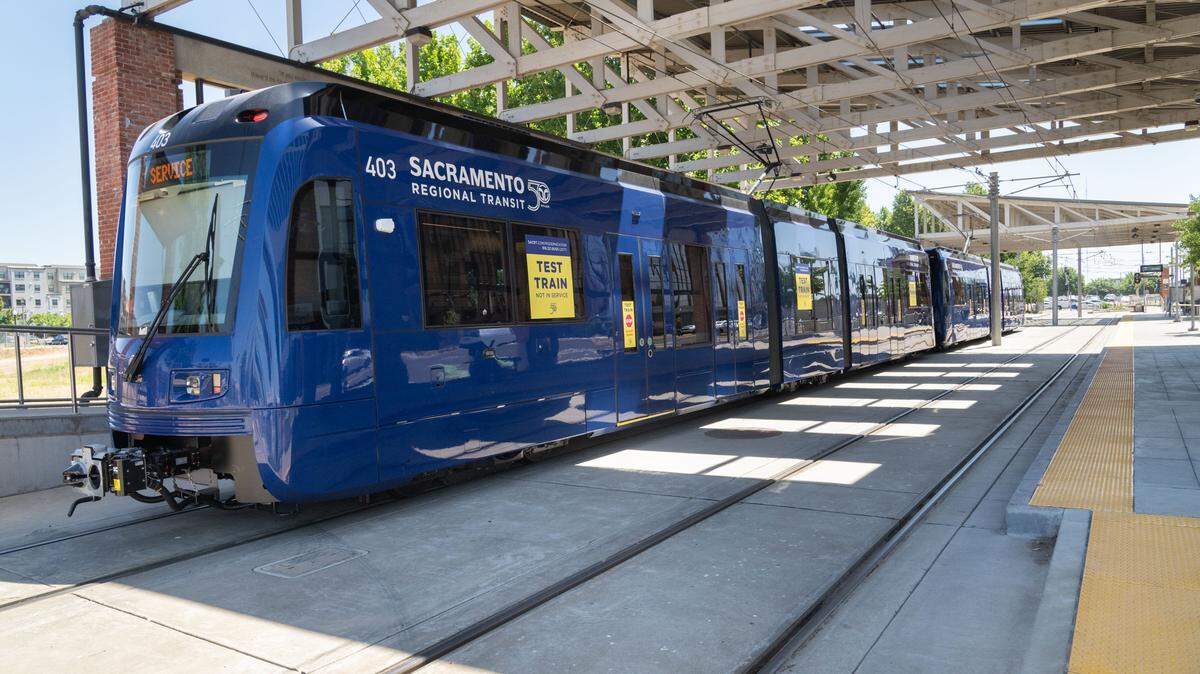
Capital region TK-12 students can still ride Sacramento Regional Transit for free under the agency’s next budget, but the program’s long-term future remains uncertain as outside funding contributions dry up.
Read more With pressure from Trump, California Senate hears resolution on mail-in ballots
The program, RydeFreeRT, is among the highlights of Sacramento Regional Transit’s , which was approved at an RT board meeting Monday night.
Both the operating budget, which projects revenues and expenses to total $278.7 million, and the capital budget, at $1.94 billion, were adopted by the board. The budget year will begin July 1.
About 60% of the capital budget — about $1.16 billion — will fund 29 light rail projects, including new vehicles, station conversions to accommodate the new low-floor cars and the proposed downtown riverfront streetcar project. Just over 12% is dedicated to bus, paratransit and microtransit projects, while about 23% will go toward future infrastructure projects including bridge repairs and the Stockton Boulevard Bus Rapid Transit project.
The balanced operating budget grew by about $11.4 million, up 4.3% from the previous fiscal year. Just over 74% of revenue comes from state and local taxes and grants, 16% comes from federal funding and fare revenue makes up about 6.7%.
For fiscal year 2025-26, fare revenue was projected finish at about $19.8 million. In the new budget, Regional Transit anticipates about $600,000 less.
The decrease is mainly attributed to declining contributions to the RydeFreeRT program. This year, Sacramento Regional Transit is not expecting any funds from school districts, which previously helped sustain the effort, agency spokesperson Jessica Gonzalez said.
RydeFreeRT launched in fall 2019 to curb chronic absenteeism in schools, and this school year provided about 5 million student rides, more than triple pre-program levels. To participate, area students and children experiencing homelessness or in foster care obtain a RydeFreeRT card and present it each time they ride a bus or light rail train. New cards will be valid through June 30, 2027.
It costs about $10 million annually to run the program, Gonzalez said, factoring in lost fare revenue from millions of student rides and operation of the 200-series buses — special weekday routes that provide school service and supplemental capacity.
Regional Transit covers the operational costs. Other forms of government, including the city of Sacramento, Sacramento County and capital school districts have previously covered the lost fares.
Gonzalez said the maximum contribution to the program in the past was about $1.5 million, which matched fare revenue lost before RydeFreeRT launched. For fiscal year 2026-27, the city of Sacramento is expected to contribute $250,000 and Sacramento County is expected to contribute $175,000, according to board agenda materials. No additional contributions are expected.
“With the difficult financial circumstances for most public agencies, funding has reduced especially for next year,” Gonzalez said.
Sacramento finalize its balanced budget Tuesday night after its third consecutive year of projected shortfalls. The Sacramento City Unified School District is estimating a $61.8 million deficit that could shrink by September. Sacramento County is projecting a $101 million structural deficit for the next fiscal year as it takes on its budget process beginning Wednesday.
To keep RydeFreeRT afloat, staff secured about $4.5 million through the state’s Low Carbon Transportation Operating Program, which provides funding for transit programs aimed at reducing emissions and increasing mobility. The funds will help keep the program operating into fiscal year 2027-28.
Read more Why UCLA Football Has Very Bright Future
“However, beyond that point, additional funding or renewed agreements with cities, the county and school districts will be needed to continue the program,” Gonzalez said.
She said losing RydeFreeRT would be a concern because school districts rely on student attendance for funding.
To help sustain the program, the board authorized General Manager and CEO Henry Li to negotiate new funding agreements. Gonzalez said Regional Transit is pursuing partnerships and discussions with previous contributors to secure long-term funding.
The program, as well as other RT projects, is one that could benefit from the November ballot measure that transit advocates estimate would raise $70 million a year for street safety improvements and expanded public transit service via a half-cent sales tax raise within the city.
RT’s capital projects also face uncertainty as one-time stimulus funding runs out. Federal pandemic-relief funds were exhausted in 2025. The agency is expected to spend the remainder of its Senate Bill 125 allocation by the end of fiscal year 2027, according to a board document.
While Regional Transit continues to receive state and federal funding, more of that money is being diverted to operating expenses instead of capital projects. Staff warned that all flexible state and federal funding could soon be absorbed by operating costs.
One-time funding allowed flexible state and federal dollars to support capital projects through 2023-24. Since then, the amount redirected to operations has doubled from less than $15 million to $30 million, according to board documents.
“Unless a new, permanent funding source is identified, SacRT may too be faced with a fiscal cliff and be forced to implement additional cost saving measures,” according to the board document.
RT board member and Sacramento City Councilmember Caity Maple said that while RT is facing fiscal challenges, it continues to perform well.
“We’re really over-performing here in Sacramento,” Maple said. “We are looking towards a cliff, just like everyone, (and) we’ve made great strides in ensuring that we’re not there yet … but it is a challenge for us.”
The board also approved eliminating bus Route 33 — which travels between Union Gospel Mission and the bus stop at 12th and E streets — when the Dos Rios light rail station opens as early September. The route was cut because much of its service area will be duplicated by the new station, generating an estimated annual savings of about $485,815, according to board documents.
The board also approved creation of Route 133, which preserves the 6:16 a.m. trip from Union Gospel Mission to the Alkali Flat/La Valentina light rail station.
Read more Sophie Cunningham Fires Back at Indiana Fever Fans After Stephanie White Message