 By admin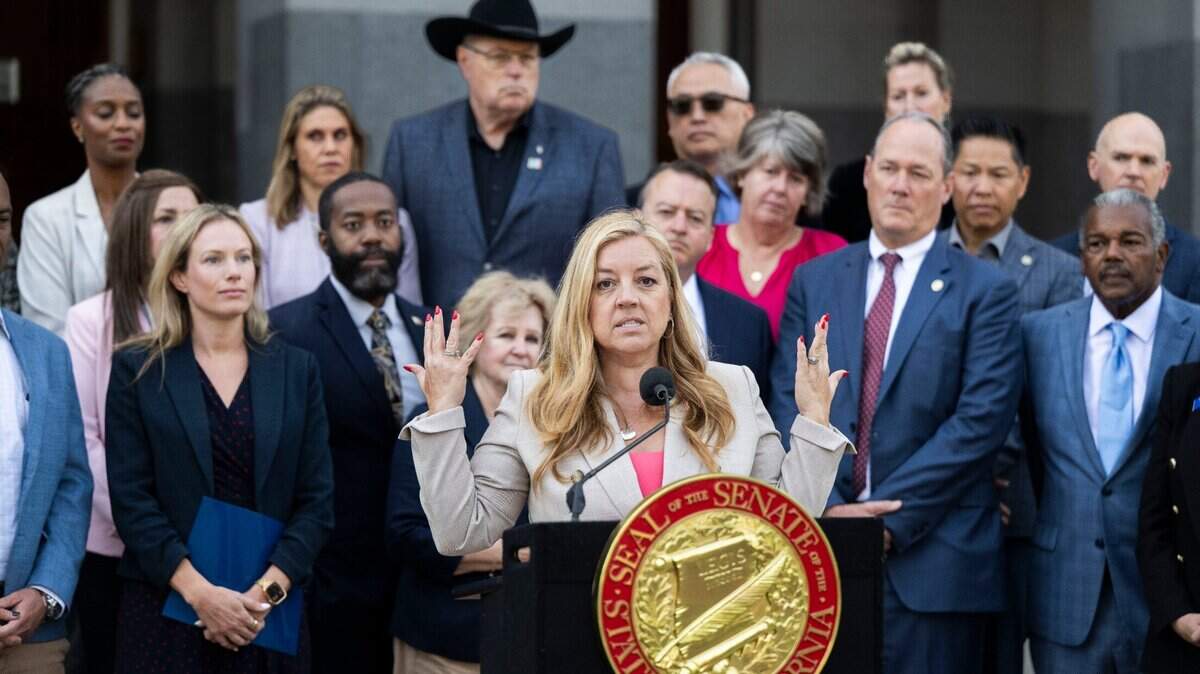
Gov. Gavin Newsom has signed a bill requiring elected officials across Sacramento County to create a new lead entity to address housing and homelessness, but the county could challenge it in court.
Read more Newsom signs bill to restructure Sacramento homeless policy, but county could sue
The legislation Senate Bill 802, authored by former Sacramento City Councilmember Sen. Angelique Ashby, D-Sacramento, mandates Sacramento County and the cities of Sacramento, Elk Grove, Citrus Heights, Rancho Cordova and Folsom to create a new joint powers authority of elected officials by Jan. 1, 2028.
The change would shift some of the responsibility for addressing regional homelessness to local elected officials, and lessen the role of nonprofit Sacramento Steps Forward. It’s the first known time the legislature has ordered local governments in the state to create a JPA for homelessness.
But it could cost the county, which is facing a structural deficit, an unspecified amount. County staff are considering whether to file a lawsuit seeking to block the bill, alleging the legislatures does not actually hold the power to order localities to form a JPA, said Janna Haynes, a county spokesperson.
“The County has collaborated with the City of Sacramento for more than four years on homelessness response efforts,” Haynes said in an email Monday. “For more than two years, the County has also partnered with the cities of Citrus Heights, Elk Grove, Folsom, Rancho Cordova, and Galt to share resources, provide strategic guidance, and establish a regional governance framework that spans jurisdictions. A regional task force … is already meeting and making meaningful progress. The County will determine whether to challenge the legality of SB 802 in court. Until then, SB 802 does not alter the work already underway, which meets, and in many areas exceeds, the bill’s requirements.”
‘Our toughest and most persistent issues’
If the bill goes into effect and officials fail to create the new entity by the Jan. 1, 2028, Sacramento could lose future state funding or be sued by the attorney general’s office, Ashby said.
“I believe deeply that Sacramento’s best days are ahead of us,” Ashby posted to X on Sunday after Newsom announced he had signed the bill. “But until we really work together as a region on our toughest and most persistent issues we cannot expect to see the results that this community so deeply deserves.”
Read more Your guide to the Citrus Heights District 2 city council race
Unlike an earlier version of the bill, which Ashby pulled last year, many of the details for the JPA are left open for local elected officials to determine. Unlike the previous version, the bill that passed last month does not dictate how many elected officials from each jurisdiction can be on the new board, or how the local governments would fund the new JPA. Those changes won over the support of Sacramento Mayor Kevin McCarty, but most county leaders remain opposed.
The new entity, Ashby said, would also assume responsibility from Sacramento Steps Forward of the federally-mandated Point in Time Count, which has been under public scrutiny after a reported 29% homelessness decrease in 2024 — the same year SSF switched its contractor for the report.
“This new authority offers Sacramento an opportunity to build on the important work already underway and strengthen the delivery of housing and services,” Newsom said in a Sunday memo to the Senate. “By establishing a framework for the region to pursue shared goals with clearly defined responsibilities, this partnership can help more people move from homelessness into safe, stable, permanent housing.”
Estimated cost
The California Assembly Appropriations Committee estimated the new JPA could cost in the “mid-hundreds of thousands to low millions” of dollars annually to the localities. Ashby, however, said the localities could reallocate money they already give to Sacramento Steps Forward to the new JPA, meaning there would be no new expense.
The decision of whether to sue would be up to the county Board of Supervisors, based on the advisement of county counsel, Haynes said.
Four of the five supervisors currently oppose the bill, while Rosario Rodriguez is neutral.
Read more Who’s running for Rocklin Unified school board? Meet the 6 candidates
This story was originally published September 22, 2026 at 8:11 AM.