 By admin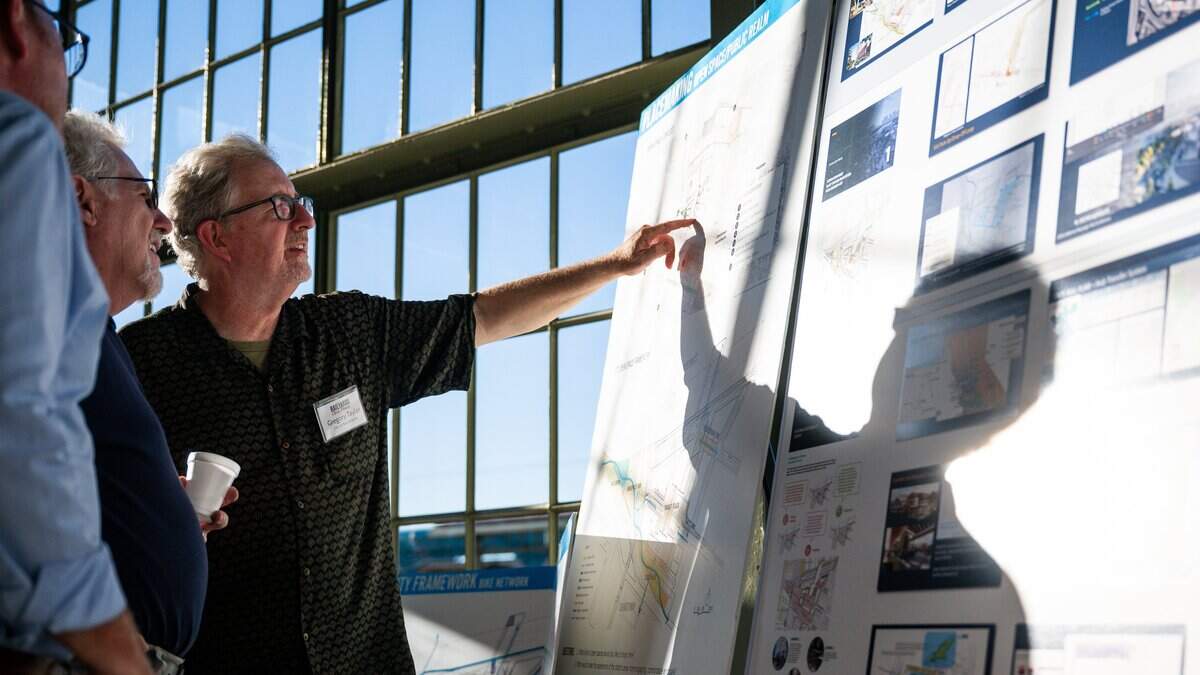
Several of the central construction projects in Sacramento’s Railyards District are hitting new milestones, development officials said this week, delivering progress for what city leaders often describe as one of the country’s largest urban infill projects.
Read more Sacramento tiny home village for homeless vets gets $32M from state. See where
In the 240-acre district — which has seen decades of environmental cleanup and various projects proposed since railroad operators moved out in the 1990s — construction of Kaiser Permanente’s planned hospital is well underway, slated for completion in 2029. Work began in February on a plaza for the “Central Shops,” a group of historic warehouses that will be converted into restaurants, bars, retail and entertainment. Infrastructure work is ongoing for Sacramento Republic FC’s planned, 20,000-seat stadium.
The updates came during an open house event organized by the city at Sacramento Valley Station. Over the course of several hours, Wednesday evening, area residents packed into the downtown train station for a chance to learn about the latest progress.
“It’s finally, maybe, coming to fruition,” said Lisa Zook, whose great-grandfather worked in the Railyards for 48 years as a brassfitter.
“Things seem to be ramping up again,” said Cindy Castronovo.
Downtown, the River District and the Railyards between
Developers aim to finish construction of a concert venue and nearby retail in the Railyards by the end of 2027, said Josh Leachman, senior vice president of project development for LDK Ventures. The firm will start construction early next year on a 9,000-square-foot retail pavilion, expected to open in early 2028. And developers are seeking approvals to build more housing, just west of the A.J. apartment complex.
The city aims to replace the automotive portion of the 114-year-old I Street Bridge, which is considered too narrow for buses and bikes, to better connect the Railyards to West Sacramento. But earlier this year, bids came in well above expectations, delaying construction.
City officials describe the projects as not only a means of doubling the size of Sacramento’s downtown, but also connecting the central city to the River District to the north. The district, though historically industrial, has seen new investment in recent years.
The latest Railyards developments will help officials market vacant properties in the River District, said Devin Strecker, executive director of the area’s property-based improvement district. The group is planning a tour in the fall for developers and investors.
A city panel overseeing the tax incentives for the Railyards is set to convene Tuesday morning, to resume the process of building out a special taxing district to reimburse developers for infrastructure work. The process was put on hold for one year by a protest of Railyards residents last summer, who argued the city should require that developers build a larger portion of affordable housing in the district.
Read more How sports, housing, transit developments are reshaping Sacramento’s Railyards
“This is the heart of democracy, so there are always lots of opinions,” said Mayor Kevin McCarty. But, he added, as he surveyed the crowds of attendees in the room Wednesday evening, “the vision of this town here is pretty clear and convincing.”
‘Evidence of what Sacramento was doing’
When the railroad companies moved out of the Railyards, there was a general acknowledgement that the path ahead for the site would be expensive and time-consuming, said Councilmember Roger Dickinson. Still, he acknowledged, it has been a point of frustration “that we have not been able to take advantage of this enormous asset that we have.”
“It’s especially encouraging to see it now,” he said.
Laura Legrand, a 38-year resident of Sacramento, said she hoped to see the kind of historic renovations that she’d seen in her former hometown of Boston. Carol Willis said she hopes the development includes some nods to that history, “because there are not a lot of us around anymore who remember.”
Willis’ grandfather was a railroad foreman in Colfax and Auburn. He lived in a Southern Pacific house, and when Willis was young, he’d take her up and down the tracks on a handcar.
Landscape architect Ian Thompson was tracking the Railyards development before he moved to Sacramento five years ago. Now a three-year season-ticket holder with Sacramento Republic FC, he was excited about the stadium. Still, parts of the project, like the connections to the waterfront, continue to feel “a little intangible.”
Thompson said he had noticed the city’s growth and thought the project was emblematic of what Sacramento could become. This progress was part of what convinced him to move, he said.
The Railyards, he said, were “evidence of what Sacramento was doing… It wasn’t a stagnant thing.”
Read more Mark Cuban-led group buys stake in the Athletics. What does it mean for MLB team?