 By admin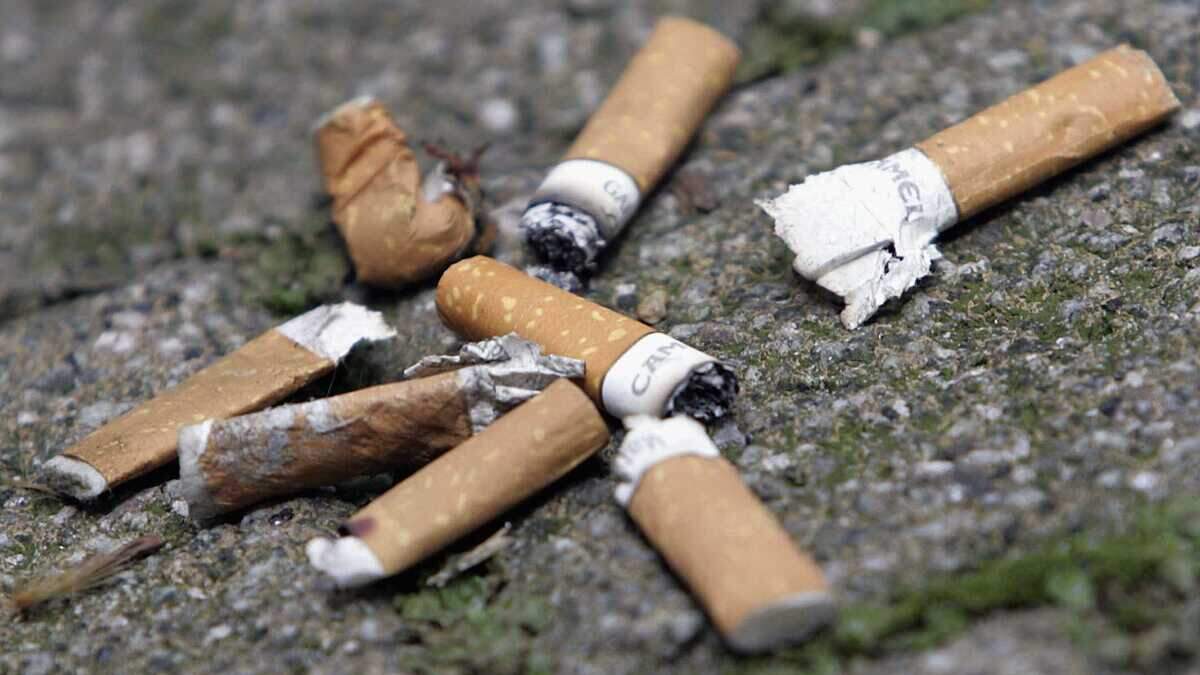
Sacramento County is taking on some of the world’s largest tobacco companies — not over smoking, but over the billions of cigarette butts discarded every year and who should pay to clean them up.
Read more Nearly 10,000 UC doctors to unionize, advocate for better working conditions
The Sacramento County Board of Supervisors authorized a lawsuit against major cigarette manufacturers and distributors, alleging the companies should be held responsible for the environmental damage caused by discarded cigarette filters and the public cost of cleaning them up. The civil complaint, filed last week in Sacramento Superior Court, demands a jury trial, damages and restitution from the tobacco entities named in the case.
The lawsuit is one of the first known legal challenges by California local governments seeking to hold Big Tobacco financially responsible for the environmental costs of discarded cigarette filters. A similar lawsuit was filed the same day by the city of Fresno.
“Our feeling is that the tobacco companies profited and these cities and counties are paying the cleanup bill through their taxpayers,” Christopher Schnieders, lead trial counsel and a partner at McIntyre Schnieders, a Kansas City-area law firm and one of three representing the county, said in an interview. “It’s an important case to be able to take these amounts that are being paid by the taxpayers and direct them back at the entities that are actually causing this harm, which is the tobacco companies themselves.”
The complaint names Philip Morris USA, Altria Group, R.J. Reynolds Tobacco Company, Reynolds American, Santa Fe Natural Tobacco Company, British American Tobacco, ITG Brands, Liggett Group, Liggett Vector Brands and Pittco Tobacco as defendants.
The Board of Supervisors authorized the lawsuit during a closed session, according to county spokesperson Kim Nava. The county retained Kelly & Grossman LLP — working alongside McIntyre Schnieders and Justice Law Collaborative LLC — to litigate the case on a contingency-fee basis.
County says cigarette filters create costly plastic pollution
The lawsuit argues that cigarette filters are made from cellulose acetate, a nonbiodegradable plastic polymer that persists in the environment long after it is discarded. Tobacco companies “have long known, and intended” that the filters would be thrown away after use, resulting in plastic waste that accumulates on streets, sidewalks, parks and in storm drains, the complaint states.
Cigarette filters, the county alleges, are among the most commonly discarded forms of plastic waste and can release microplastics and other chemicals into the environment as they break down.
The “unsightly waste” eventually flows into surrounding rivers, streams and oceans, forcing the county to spend millions of dollars on cleanup, maintenance and environmental compliance, according to the complaint.
“The injuries alleged herein do not arise from a single unidentified cigarette filter or an isolated product occurrence,” the complaint reads. “They arise from the continuing and cumulative accumulation of enormous quantities of discarded cigarette filters manufactured, marketed, supplied, distributed, and sold by defendants for consumption within Sacramento County.”
Read more Can CA state employees work from home if they’re sick? Here’s the RTO policy
The county alleges the companies created a public nuisance and are liable under claims including negligence, design defect and failure to warn. The complaint argues tobacco manufacturers have long known cigarette filters are made of plastic that does not readily biodegrade, yet continued marketing and selling the products without taking reasonable steps to reduce the environmental impacts of discarded filters.
The complaint also alleges that the companies failed to adopt alternative designs and perpetuated the misconception that plastic filters are biodegradable or can be disposed of in public without significant consequence.
Nava, however, clarified that “the county is not asking the court to redesign cigarettes or require new warnings,” emphasizing that the lawsuit is limited to addressing persistent plastic pollution.
Similar lawsuit continues in Baltimore
Sacramento’s lawsuit follows a similar case filed by the city of Baltimore in 2022 against many of the same tobacco companies. Baltimore said in its suit that it has spent more than $5 million a year cleaning up discarded cigarette filters from streets and waterways. Last year, a Maryland judge allowed key claims to proceed — rejecting tobacco companies’ efforts to dismiss much of the case. The litigation remains ongoing.
Sacramento’s lawsuit follows a similar case filed by Baltimore in 2022 and comes as the European Union requires tobacco manufacturers to help under its Single-Use Plastics Directive.
The tobacco companies have argued in that case that responsibility for discarded filters lies with smokers, not manufacturers, and have sought to dismiss the lawsuit.
Schnieders said the discarded filters constitute a public nuisance and that the lawsuit could prompt changes that reduce the costs associated with cigarette filter pollution. He also argued that while personal responsibility plays a role, tobacco companies ultimately bear responsibility because they could have addressed plastic cigarette filter pollution in different ways.
“We want to make sure that this is not something that generations going forward are going to constantly have to fight tooth and nail about,” Schnieders said. “We do believe this will change the way that tobacco companies handle themselves.”
The Altria Group and Reynolds American did not respond to requests for comment. British American Tobacco and the Santa Fe Natural Tobacco Company could not be reached for comment.
Read more Nearly 10,000 UC doctors to unionize, advocate for better working conditions