 By admin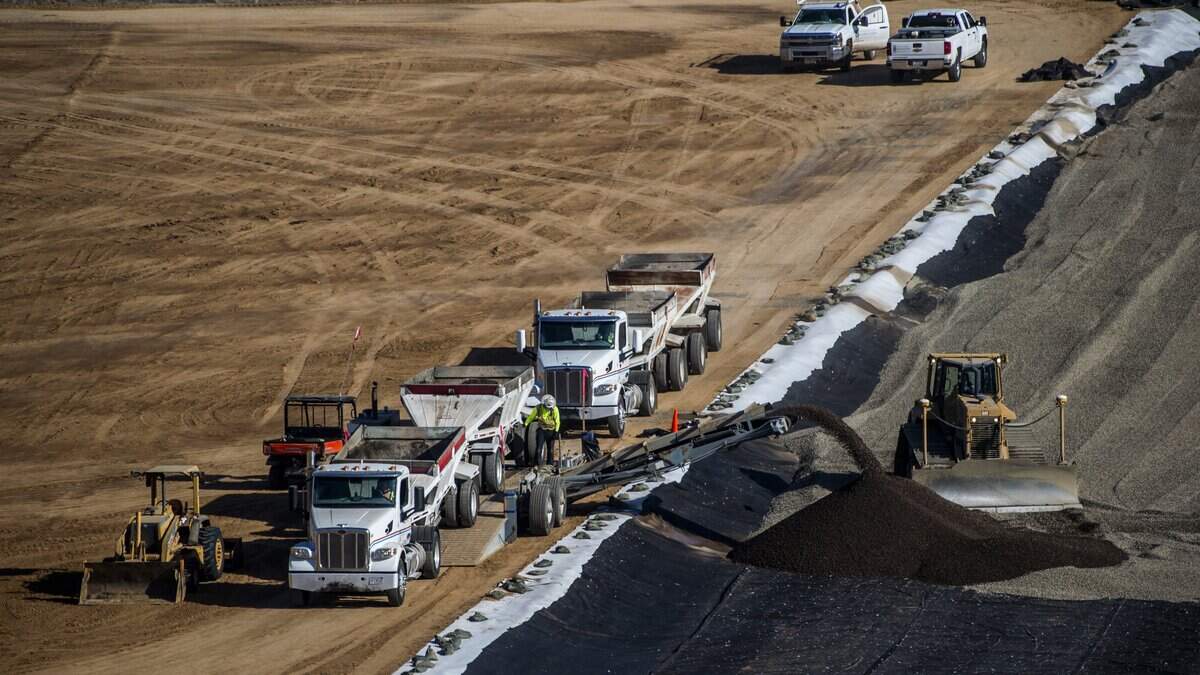
The Sacramento County Board of Supervisors unanimously voted last week to move forward with proposed trash collection rate increases and approved higher fees at two county waste facilities to keep up with changes in state laws and increased operating expenses.
Read more San Juan Unified School District faces unfair labor practice charge over layoffs
Sacramento County’s waste program is funded entirely by ratepayers, not county tax revenue, so increases in labor, fuel and equipment costs threaten the program’s solvency, according to a county news release. The county designed the increases in a manner it believes will make the changes gradual and manageable for residents.
The increases would also help the county maintain financial reserves and pay for major capital projects, including construction of a new disposal area at Kiefer Landfill. The county’s rate study assumed a $33.5 million, 30-year loan for the first phase of that project, with projected annual debt payments of about $2.2 million. The study recommended keeping reserves equal to about two months of operating expenses, plus additional money for capital projects.
Claiborne said state law limits the department from collecting more from customers than the cost of providing service.
“There are laws that require us not to make a profit from our customers, and so it’s very important for us to continue to do this analysis and ensuring that the revenues we generate are enough to cover our costs and not more,” she told supervisors.
The national garbage and trash collection consumer price index has grown at an average annual rate of 5.4% over the past five years, Jennifer Claiborne, director of the county’s Waste Management and Recycling Department, said during a presentation before the 4-0 vote; Supervisor Phil Serna was not present.
The board last adopted residential rate schedules in 2022, with the most recent increase taking effect in July 2025.
If adopted, the monthly cost of a standard 60-gallon cart would increase to $42.88 from $41.03 in January, an increase of about 4.5%. Rates for the 60- and 90-gallon carts would increase by 4.5% annually for the next five years, raising the 60-gallon rate to $51.13 in 2031. The 30-gallon rate would increase by 6.5% annually.
The consultant also recommended that the county update its financial model annually using actual operating results, budgets, capital costs, customer and tonnage trends and other assumptions, allowing officials to reassess future scheduled increases as financial conditions change.
Read more Man named in Cornell rape suit no longer with Wells Fargo in Charlotte: report
The rates are competitive, according to the county. The proposed 2027 rate would still be about $1.60 lower than the regional average. The city of Sacramento charges $52.35 for similar residential customers. The proposed county rate is less than the $51 charged by the city of Folsom, but more than rates in Rancho Cordova and Elk Grove, according to a staff report.
Supervisor Richard Desmond questioned why the county’s rates were higher than those in some neighboring cities. Claiborne said the county’s service area includes both dense and rural communities, requiring collection trucks to travel farther between some customers.
Sacramento County offers a $10 monthly benefit to low-income residents that serves about 5,600 households. The county proposed raising the rebate by $1 per year over the next five years.
Under the proposal, residential customers would get weekly pickup of waste and organic material, biweekly recycling pickup and two bulky waste pickups per year. The county would phase out the financial incentive for a 30-gallon cart because the smaller carts are more frequently overpacked and take longer to collect. The carts will remain available. The county currently offers every residential customer an annual free “go back”, in which it will make a return trip for those who forget to put their bins out on collection day, but the county would eliminate that benefit at the end of this year.
The county would also add a “hard to handle” fee of $95 per hour for its bulky waste program. The fee would only be charged when prohibited items are placed out for collection and require extraordinary time or equipment to remove, Claiborne said.
The board’s decision authorizes Waste Management and Recycling to initiate the Proposition 218 process required before residential rate increases can be implemented. The county will mail written notices to more than 165,000 affected residential customers and hold a public hearing, as required, on Dec. 8.
In addition to advancing the proposed residential rates, the board voted to raise fees charged by the county-owned Kiefer Landfill and the North Area Recovery Station. Rates for weighed loads would increase annually, by 4.5% at the North Area Recovery Station and by 4.5% to 6.5% at Kiefer Landfill. Flat-fee load rates would not see annual increases but will rise by $5 next year. Those charges are not subject to the Prop. 218 process.
Earlier this year, the U.S. Environmental Protection Agency fined Sacramento County about $197,000 for failing to capture harmful gases produced by the Kiefer Landfill over a seven-month period in 2023, in violation of the Clean Air Act.
Read more Indian gang leader tied to Central Valley murders lands on FBI’s ‘most wanted’ list